
No. New Zealand citizens do not need a visa for China in 2026 for stays of up to 30 days. If you hold an ordinary (blue) New Zealand passport, you can fly into Shanghai, Beijing, Chengdu or any other airport and walk through immigration with just your passport — no visa, no fee, no application form to lodge at a consulate.
This is a big change from a few years ago, when every Kiwi traveller had to post their passport to a Chinese visa centre in Auckland and wait a week. China now runs a unilateral visa-free scheme that covers New Zealand, and it was extended again in late 2025 to run through the end of 2026.
The rules are simple, but there are a few things that trip people up: a new digital arrival card, a strict 30-day limit with no easy extension, and a police registration step. Get those right and entry is painless.
Here is exactly what applies to you, what to carry, and how to handle a longer trip.
Key Takeaways
- New Zealand ordinary passport holders enter mainland China visa-free for up to 30 days, valid through 23:59 on 31 December 2026.
- Eligible purposes: tourism, business, visiting family or friends, exchange, and transit — not work, study, or journalism.
- Every traveller (even visa-free) must file the free China Digital Arrival Card online, up to 72 hours before arrival.
- The 30-day cap is calendar days from arrival; overstaying costs ¥500 per day (up to ¥10,000).
- You must register your address with local police within 24 hours — hotels do this for you automatically.
Do New Zealand citizens need a visa for China? The short answer
For a standard holiday or business trip of 30 days or fewer, no visa is required. New Zealand is one of around 45 countries on China’s unilateral visa-free list, which was extended on 4 November 2025 by the Chinese Embassy in Wellington.
The official wording covers entry for "business, tourism, family and friends visit, exchange and transit" for a stay of "not more than 30 days." That is generous — it includes short business meetings and negotiations, not just sightseeing.
The policy applies to ordinary passports only. If you carry a diplomatic or certain official passport, or if your purpose does not fit the list, you must apply for a visa at a Chinese consulate before you fly.
Rachel, a nurse from Wellington, flew Auckland to Shanghai for a two-week trip in March. She brought only her passport and a printout of her hotel booking. Immigration stamped her in as a visa-free visitor in under two minutes.
What counts as a valid purpose (and what doesn’t)
The visa waiver is purpose-based. The border officer can ask why you are visiting, so it helps to know where you stand.
| Purpose | Covered by 30-day visa-free? |
|---|---|
| Tourism / sightseeing | Yes |
| Visiting family or friends | Yes |
| Short business (meetings, negotiations, a trade fair) | Yes |
| Transit to a third country | Yes |
| Cultural or academic exchange (short visits) | Yes |
| Paid work or taking up employment | No — needs a work (Z) visa |
| Studying on a long course | No — needs a student (X) visa |
| Journalism / reporting | No — needs a J visa |
| Any stay longer than 30 days | No — needs the correct visa |
"Short business" means attending — not being employed or earning income in China. If you plan to actually work, sign an employment contract, or enrol in a university term, the waiver does not apply and you need the matching visa in advance.
The new China Digital Arrival Card — don’t skip it
This is the one new step most 2024-era guides miss. Since 20 November 2025, the National Immigration Administration requires every foreign traveller to file a China Digital Arrival Card (CDAC) — even if you are visa-free.
It is a free electronic declaration of where you are staying and when you leave. It is not a visa and does not grant entry; it simply logs your arrival details. There is no charge — ignore any website that asks for a fee.
You can complete it up to 72 hours before arrival on the National Immigration Administration website, the "NIA 12367" app, or a WeChat/Alipay mini-program. The system generates a QR code — save it to your phone or screenshot it, because you show it at the border.
James, a Christchurch retiree, filled his out at the airport lounge the night before his flight and had the QR code ready on arrival in Guangzhou. It took him about five minutes.
What to bring and what to expect at the border
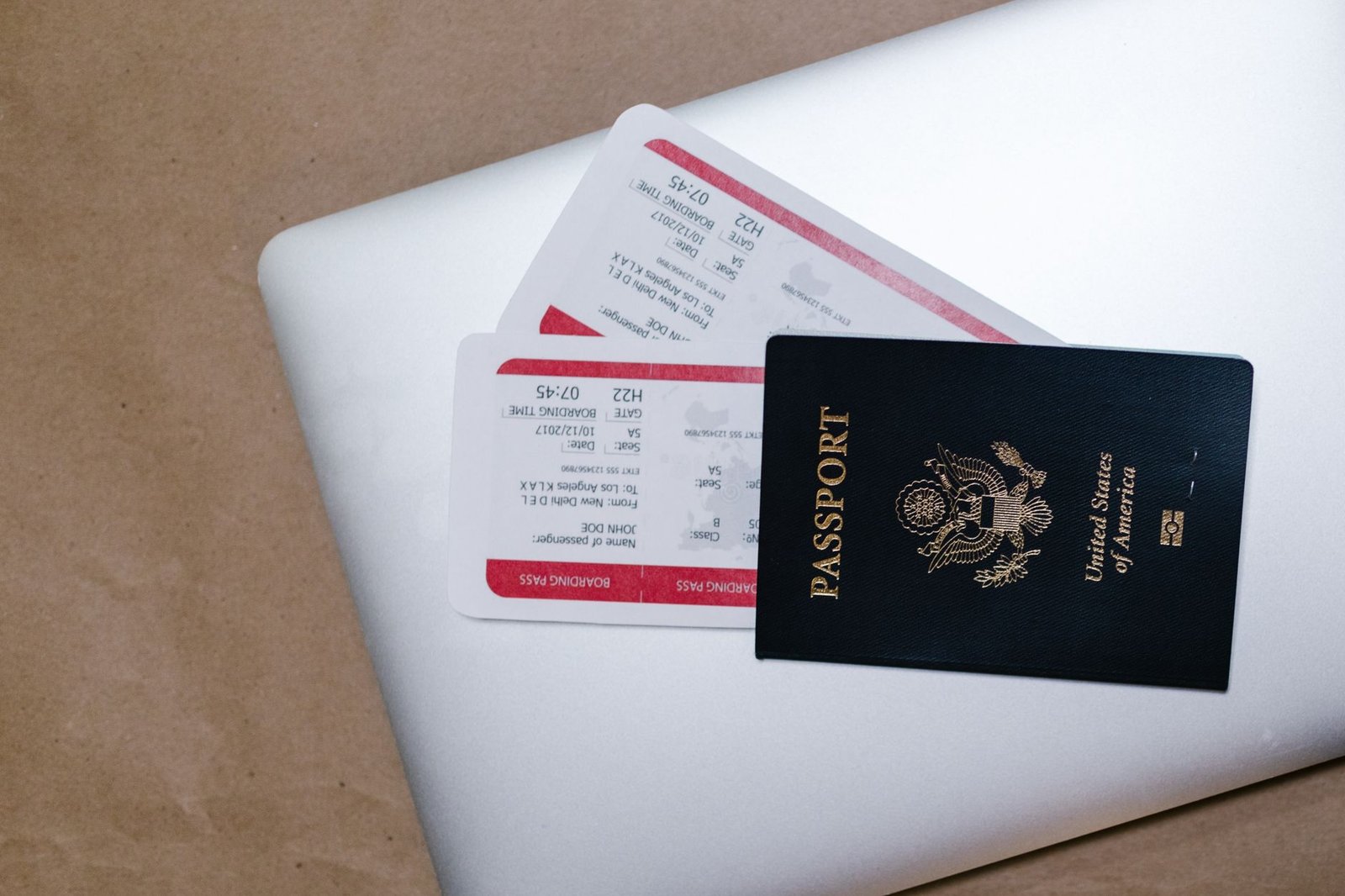
You do not lodge any paperwork with a consulate, but immigration can ask for proof that matches your stated purpose. Carry these:
- A New Zealand passport valid at least 6 months beyond your entry date, with blank pages. China enforces this strictly.
- Your return or onward flight ticket, showing you leave within 30 days.
- A hotel booking or the address where you are staying.
- Your China Digital Arrival Card QR code.
- For a business trip, an invitation letter or event details help.
At the airport you scan your passport, have fingerprints and a photo taken, show the arrival-card QR code, and answer a quick question or two. The visa-free entry stamp goes straight into your passport. For a deeper dive on the whole system, our visa and entry guide hub breaks down each pathway.
How the 30 days are counted (and what if you overstay)

The 30 days are calendar days, counted from the day after you arrive. Day one is your first full day in China. Plan your departure so you leave on or before day 30.
The visa-free stay cannot be casually extended. It is designed as a short-visit waiver. If you have a genuine reason to stay longer, you can apply at the local Exit-Entry Administration Bureau (part of the Public Security Bureau) before your 30 days run out — but approval is not guaranteed, so never rely on it.
Overstaying is taken seriously. The fine is ¥500 per day, up to a maximum of ¥10,000, and repeat or long overstays can trigger an entry ban of up to five years. You would be sent to the local Exit-Entry Bureau, pay the fine, get an exit permit, and only then be allowed to leave.
If you already know you need more than 30 days, apply for a proper tourist (L) visa at a Chinese consulate in New Zealand before you travel.
Staying longer than 30 days: your options
For trips over a month, a tourist (L) visa is the usual answer. Applied for through the Chinese Visa Application Service Centre in Auckland, it typically grants 30 or 60 days per entry with a longer validity window, and it removes the pressure of the calendar countdown.
If your trip is really a long study, work, or reporting assignment, apply for the matching category (X, Z, or J) with the supporting documents that category requires. Those cannot be swapped for the visa-free entry after you arrive.
| Option | Best for | Apply before flying? |
|---|---|---|
| 30-day visa-free | Holidays, family visits, short business | No |
| Tourist (L) visa | Trips of 31–60+ days | Yes |
| 240-hour visa-free transit | Passing through to a third country | No (see below) |
| Work / study / journalist visa | Employment, courses, reporting | Yes |
A quick word on visa-free transit
If China is a stopover on the way to a third country — say, Auckland to London via Beijing — you may qualify for the separate 240-hour (10-day) visa-free transit instead. New Zealand is on that list too, and it now covers around 60 ports across 24 provinces and regions.
The catch: you must arrive and depart at approved ports and hold a confirmed onward ticket to a third country or region, not a return to New Zealand. For most straight round trips to China, the standard 30-day waiver is simpler and better. Our visa-free transit explainer covers the port list and rules.
Once you land: registration, payments, and getting around
Within 24 hours of arrival you must register your address with local police. If you stay in a hotel, they scan your passport at check-in and do this for you automatically — zero effort. If you stay with friends or in a rental, go to the local police station (or use the city’s foreigner-registration mini-program) with your passport within 24 hours. You re-register each time you move city.
Set up mobile payments before you go. Cash is rarely used, and Alipay and WeChat now let foreign cards link easily — our Alipay guide for foreigners walks through it step by step.
For getting between cities, China’s high-speed trains are fast, cheap, and comfortable, and you book with your passport. Shanghai to Beijing takes about 4.5 hours. We can help you book high-speed train tickets and get a free quote so you skip the language barrier at the station.
Frequently asked questions
Do New Zealand citizens need a visa for China in 2026?
No. Ordinary New Zealand passport holders can enter mainland China visa-free for up to 30 days for tourism, business, family visits, exchange, or transit. This applies through 31 December 2026. Longer stays or work, study, and journalism still require a visa applied for in advance.
How long can New Zealanders stay in China without a visa?
Up to 30 calendar days per entry, counted from the day after you arrive. There is no limit on the number of entries during the policy period. To stay beyond 30 days, apply for a tourist visa before flying, as the visa-free stay is not easily extended once you are in China.
Do I still need to do anything before I fly?
Yes. You must file the free China Digital Arrival Card online up to 72 hours before arrival and save the QR code. Also check your passport has at least six months’ validity and carry proof of onward travel and accommodation. There is no consulate application for the 30-day visa-free entry itself.
What happens if I overstay the 30 days?
You face a fine of ¥500 per day, up to ¥10,000, and possible entry bans for serious overstays. You would report to the local Exit-Entry Administration Bureau, pay the fine, and obtain an exit permit before leaving. Always plan to depart on or before day 30 to avoid this entirely.
Can I use the visa-free entry for a business trip?
Yes, for short business activities like meetings, negotiations, or attending a trade fair. What you cannot do is take up employment or earn income in China on the waiver. Paid work requires a Z (work) visa arranged before you travel, with an employer’s supporting documents.
Is the China Digital Arrival Card the same as a visa?
No. It is a free electronic declaration of your travel details that the National Immigration Administration requires from nearly all arrivals, including visa-free visitors. It does not grant permission to enter — your visa-free status does that. Never pay a third-party website to file it; the official portal is free.
Before you go: your China entry checklist
Run through this a week before your flight:
- [ ] Passport valid 6+ months past your entry date, with blank pages
- [ ] Trip is 30 days or fewer and fits an eligible purpose
- [ ] China Digital Arrival Card filed and QR code saved (within 72 hours of arrival)
- [ ] Return or onward ticket booked within the 30-day window
- [ ] First-night hotel booking ready to show
- [ ] Alipay or WeChat Pay set up with your card
- [ ] Know your first-night registration plan (hotel does it, or police within 24 hours)
You do not need a visa — you need to be organised. Once your entry is sorted, the next thing that makes or breaks a China trip is moving between cities smoothly.
Let us handle the hard part. Get a free quote and book your China high-speed train tickets with English support, delivered to your inbox — so you arrive in Beijing, Xi’an, or Shanghai with your seats already confirmed.
Sources: Chinese Embassy in New Zealand — Notice on Extending Unilateral Visa-Free Policy; National Immigration Administration — Accommodation Registration for Foreigners; Chinese Embassy — Notice on Online Arrival Card Filling for Travelling to China. Rules can change — verify current requirements with the Chinese Embassy in Wellington before you travel.
Featured image: “Flag of New Zealand.svg” by Original: Albert Hastings Markham Vector: Zscout370 , Hugh Jass , s. File history, via Wikimedia Commons, Public domain.