
Foreign visitors can apply for a China SIM card at official carrier service offices using their passport. If one shop cannot process your application, find a directly operated branch that confirms it handles foreign passports; do not assume that a refusal means tourists cannot get a local number.

The practical decision is whether you need mobile data, a mainland +86 phone number, or both. A data connection alone does not mean you can receive the SMS code required by a particular local service.
Key takeaways
- Bring your original passport and the phone that will use the line.
- Ask the branch about foreign-passport registration before making a special journey.
- Confirm calls, incoming SMS, data, expiry and cancellation separately.
- Do not leave the counter until the services you bought have been tested.
Start with the task your phone cannot do
If you only need maps and messages, compare a local SIM with your home carrier’s roaming option and a compatible travel data plan. If a booking or delivery service specifically requires a mainland number, ask for a line that includes that number and incoming SMS. Do not buy another data-only package hoping it will solve a phone-number problem.
The China eSIM versus SIM guide covers the broader choice. This guide focuses on getting a local line and recovering when the purchase does not go smoothly.
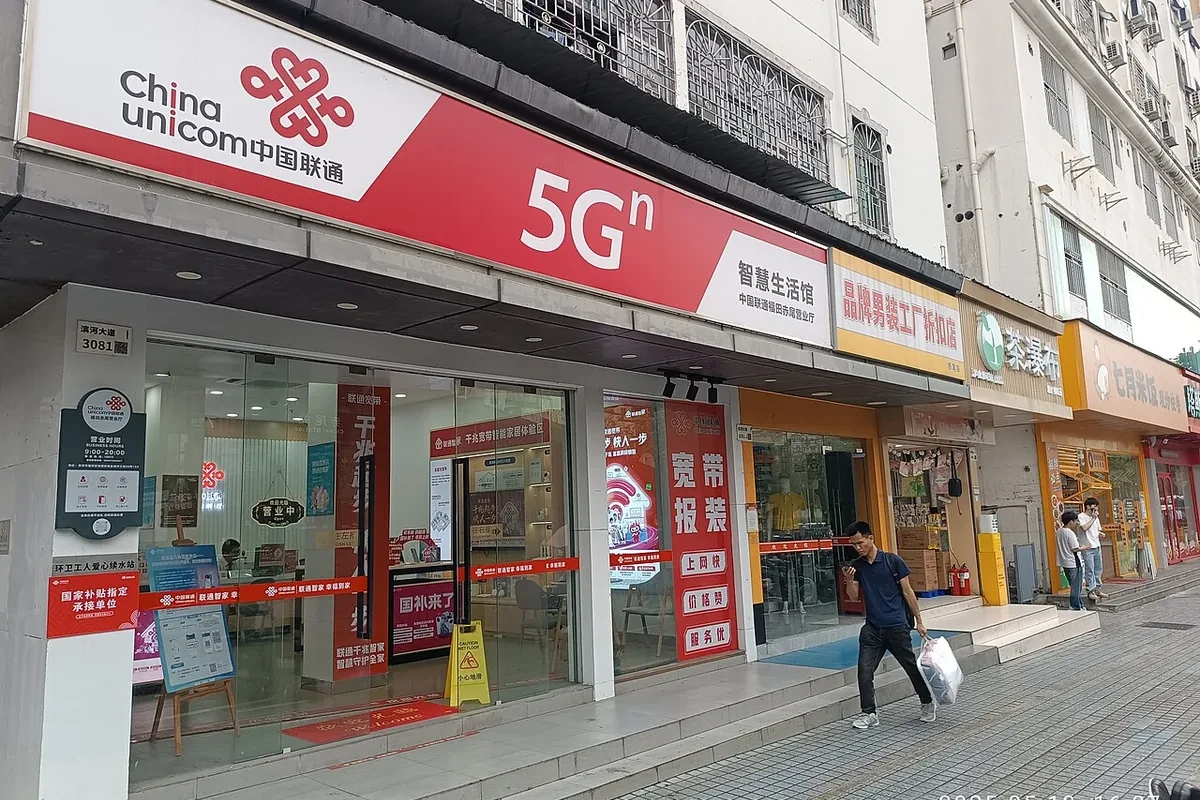
Where to buy a SIM with a foreign passport
Beijing’s official SIM application guide directs visitors to service halls operated by China Mobile, China Unicom or China Telecom. It specifically recommends contacting a branch first to confirm that it accepts foreign-national applications. Shanghai also directs users to official carrier stores.
For Beijing arrivals, the official guide lists China Mobile online application with collection at the Beijing Capital airport service counter, and China Unicom application with collection at Beijing Daxing. Confirm the collection point, terminal and opening hours against your actual arrival. These are Beijing arrangements, not evidence that every airport has every carrier after every flight.
Before going to a city store, save its Chinese name and address. Ask your hotel to help confirm passport handling if a phone call is difficult. A carrier logo outside a shop is not enough to establish which applications that branch can process.
If the first shop says no
Find out what failed before choosing the next step:
| What happened | What to ask or do next |
|---|---|
| The shop cannot register a foreign passport | Ask for a directly operated service hall that can; confirm before travelling there. |
| The plan requires information you do not have | Ask whether a suitable short-stay plan is available and what documents it actually requires. |
| Your phone cannot use the offered SIM format | Check the exact model, SIM slot and carrier lock; do not pay for an incompatible line. |
| Registration succeeded but there is no data | Ask staff to verify activation, the selected data line and the operator’s required settings. |
| Data works but a verification message does not arrive | Check the destination number, SMS support and the sending service; more data will not fix a wrong number. |
Keep the explanation short. You can show staff:
我是外国游客,想用护照办理手机卡。这里可以办理吗?
I am a foreign visitor and want to apply for a SIM using my passport. Can this branch do that?
If not, ask: 请问哪家直营营业厅可以办理? — Which directly operated service hall can handle it?
These phrases are practical language help, not a promise of approval. Let the carrier explain its identity checks; do not use someone else’s registered SIM or submit false information.
Agree on the plan before activation
Write down the total you will pay, not just the advertised monthly price. Ask staff to identify:
- the included data and what happens when it runs out;
- whether domestic calls and incoming SMS are included;
- the start date, end date and any automatic renewal;
- the balance-check and top-up method;
- the cancellation process and treatment of unused credit;
- whether you can share the connection with a laptop.
Beijing’s guide says package charges depend on the operator’s actual rates. There is no dependable nationwide airport price or fixed percentage saving for city stores. A receipt with the plan name and terms is more useful than a generic price table.
Bring a payment backup. The Alipay setup guide can help you prepare, but ask which methods the particular counter accepts. Do not assume a newly linked foreign card will pass every transaction.
Test data, SMS and calls separately
Before leaving, turn off Wi-Fi briefly and open a normal webpage using the new line. If SMS is included, confirm that the phone can receive a message at the new number. Test an ordinary call if you purchased voice service and need it.
Then check the actual task: can you request the booking code or contact the hotel? A working line does not establish that every third-party app accepts the number. If the app rejects it, save the exact error and use that service’s support or staffed booking channel.
Keep your home number reachable if your bank sends codes there. On a dual-SIM phone, distinguish the data line from the line receiving calls and SMS. Confirm roaming costs with the home carrier rather than assuming incoming messages or background data are free.
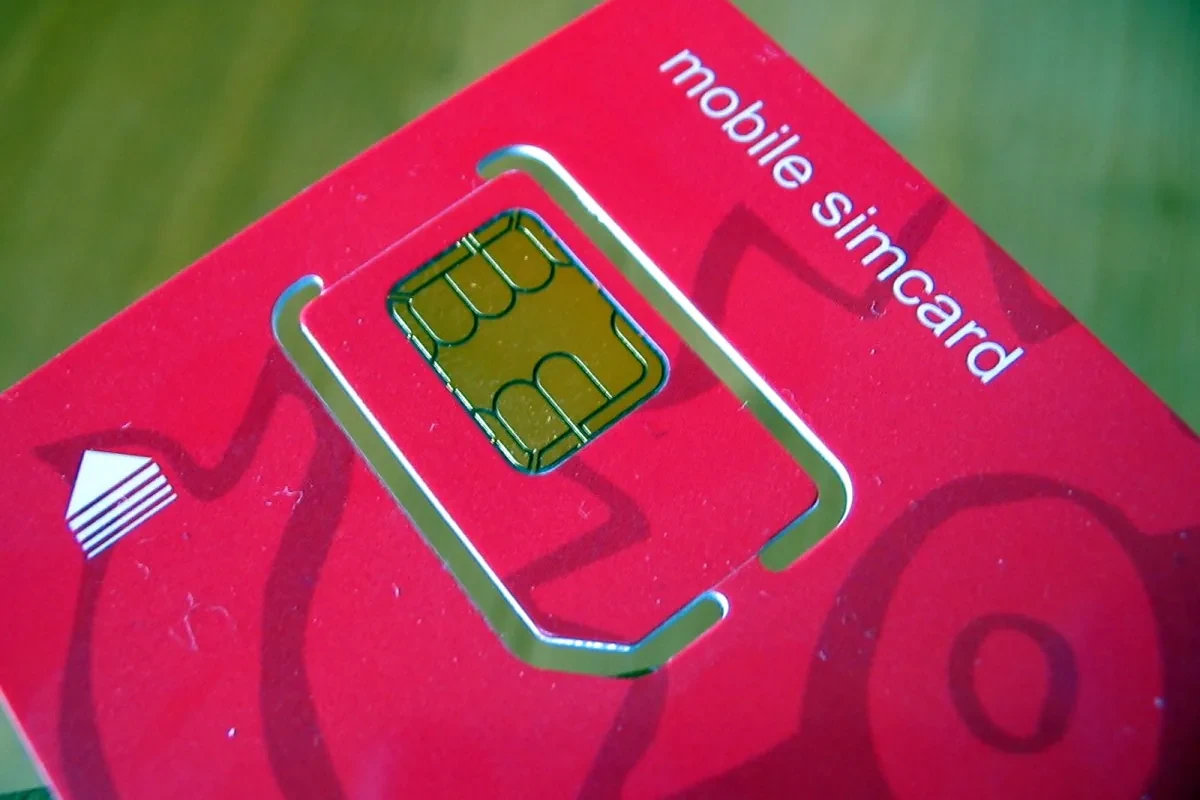
Check the phone, especially if it has no SIM tray
A foreign eSIM-only phone may not accept a mainland carrier’s eSIM. Apple’s mainland eSIM guidance limits local-carrier activation to specified models and requires a carrier-store identity check. Its international travel guidance separately describes worldwide providers’ travel data plans. These are different products.
Give the carrier the exact model and purchase market before buying. For a locked or incompatible phone, investigate an approved roaming option with your existing carrier or another compatible device. Do not assume that the phrase “eSIM supported” settles mainland local-number eligibility.
Have an arrival fallback
If the counter is closed, use your previously confirmed roaming option or ask airport staff about an available Wi-Fi assistance channel. Keep the hotel address and arrival instructions offline so getting to the hotel does not depend on completing a SIM application immediately.
The China internet guide explains connection choices and their limits. For navigation, save Chinese destination names using the China maps guide. A SIM purchase is not a guarantee that every overseas website or app will be available.
Frequently asked questions
Can foreigners buy a local SIM in China?
Yes. Official municipal guidance provides a passport-based application route at carrier service offices. Confirm the chosen branch and plan before going.
Why did one store refuse my passport?
The refusal alone does not identify the reason. Ask whether the issue is that branch’s handling ability, the selected plan, a document check or the device. Obtain a specific referral instead of trying random shops.
Does a travel data eSIM provide a Chinese number?
Not necessarily. Buy only after the product explicitly confirms the number, incoming SMS and voice features you need. Data-only service is not a substitute for a +86 SMS line.
How much should I pay?
Compare the written total, allowance and validity for the plan offered that day. This guide does not claim one current national tourist price or a guaranteed airport markup.
Should I throw away the SIM after my holiday?
First follow the operator’s cancellation or expiry instructions and remove the number from accounts that use it for recovery. Do not assume every plan ends without further charges.
Leave with a working service, not just a card
The useful outcome is a compatible line, a known number, working data and any required SMS, plus clear end-of-trip instructions. Take the passport, ask the branch the right question and test those functions while staff can still help.