
No. Singaporean citizens do not need a visa for China for short trips. If you hold an ordinary Singapore passport, you can enter mainland China visa-free and stay up to 30 days for tourism, business, visiting family or friends, or transit.
This is not a temporary trial or a promotional scheme with an expiry date. It comes from a mutual visa-exemption agreement that Singapore and China signed in January 2024, which took effect on 9 February 2024. It runs both ways: Chinese ordinary passport holders get the same 30 days in Singapore.
So the old routine of couriering your passport to a visa centre and waiting a week is gone. You book a flight, fill in a quick online arrival card, and walk through immigration.
That said, "no visa" is not the same as "no rules." The 30-day limit is firm, the day count starts at a specific moment, and some purposes still need a proper visa. Get one detail wrong and you can be turned back at the gate or fined for overstaying.
Here is exactly how it works in 2026, what to carry, and how to avoid the small mistakes that trip people up.
Key Takeaways
- Singapore ordinary passport holders get 30 days visa-free in mainland China—no application, no fee.
- The rule is permanent (a bilateral agreement from Feb 2024), not a trial policy that expires in December 2026.
- The 30-day clock starts at 00:00 the day after you arrive, not the moment you land.
- Since 20 November 2025, most travellers should fill in the free China Digital Arrival Card online before flying.
- Work, study, and journalism still require a visa—visa-free is only for tourism, business, family visits, and transit.
Do Singaporean citizens need a visa for China? The short answer
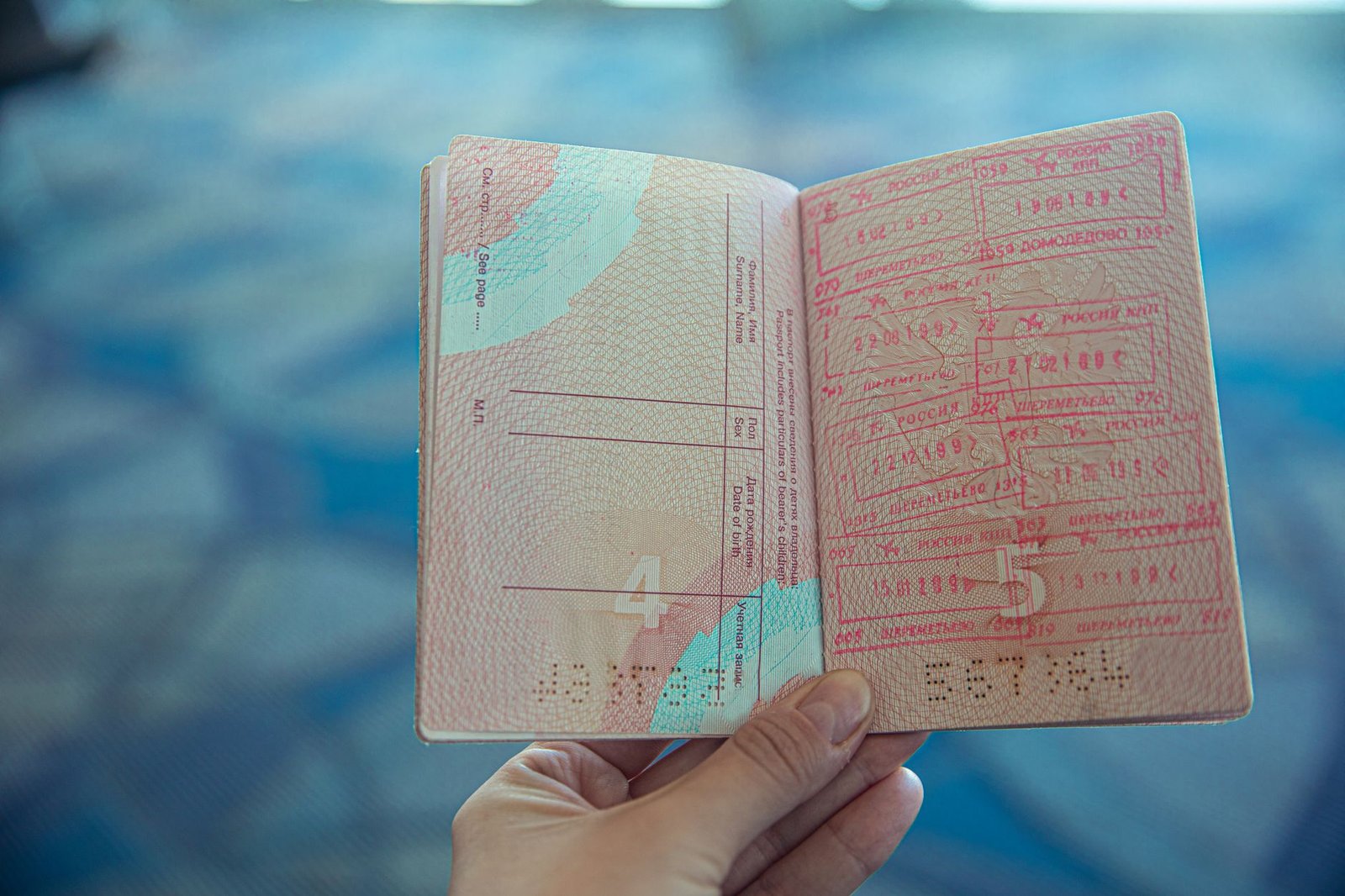
No visa is required for stays of up to 30 days. This applies to holders of an ordinary Singapore passport—the standard red passport almost every traveller carries.
The exemption came from the "Agreement on Mutual Exemption of Visa Requirements" between China and Singapore. China’s government announced it on 25 January 2024, and Singapore’s Immigration & Checkpoints Authority (ICA) confirmed it took effect on 9 February 2024.
Because it is a treaty between two countries, it does not sit on the same clock as China’s unilateral 30-day trial for countries like the UK, Australia, or Germany. That trial has been extended to 31 December 2026. Singapore’s arrangement is separate and permanent, so you do not need to worry about it lapsing at year-end.
One quick note on document types. If you carry a Singapore diplomatic or official passport, or any special travel document, check the specific rules before you fly—the terms can differ from the ordinary-passport deal described here.
What "visa-free" actually covers (and what it doesn’t)
The 30-day exemption is for short, non-working visits. The permitted purposes are tourism, business, visiting relatives or friends, and transit.
If your reason for entering falls outside that list, you still need a visa. The main exclusions are working, studying, and journalistic activities. Long stays beyond 30 days also need a visa arranged in advance.
Here is the simple split:
| Your purpose | Visa needed? | What to do |
|---|---|---|
| Tourism / sightseeing | No | Enter visa-free, up to 30 days |
| Business meetings, trade shows | No | Enter visa-free, carry an invitation letter |
| Visiting family or friends | No | Enter visa-free, up to 30 days |
| Transit to another country | No | Enter visa-free (or use visa-free transit if not eligible) |
| Working / paid employment | Yes | Apply for a Z visa before travel |
| Studying (a full course) | Yes | Apply for an X visa before travel |
| Journalism / reporting | Yes | Apply for a J visa before travel |
| Staying longer than 30 days | Yes | Apply for the right visa in advance |
Take Wei Jie, a 34-year-old sales manager from Bishan. He flies to Shenzhen four times a year for factory visits and client dinners. Each trip is under a week, so he enters visa-free every time and just keeps a digital copy of his client’s invitation letter on his phone in case an officer asks.
For the full rulebook on entry categories, our visa and entry guide hub breaks down each visa type in plain language.
How the 30-day limit is counted
This is where people slip up. The 30 days are calculated from the day after you enter, and they run as calendar days—not "business days," and not from the hour you land.
China’s embassy in Singapore states the stay "is calculated from the next day of entry and lasts for 30 calendar days." So the arrival day itself does not count against you.
An example makes it clear. Say Priya lands in Shanghai at 11:40 pm on 3 August. Her Day 1 is 4 August. Counting 30 calendar days, her last full permitted day is 2 September, and she must leave by then.
Do not cut it fine. Flight delays, a missed connection, or a rebooked ticket can push you over the line, and overstaying—even by a day—can mean a fine, detention, or trouble on future trips. Build in a buffer of a day or two.
If you truly need longer than 30 days, you cannot simply extend the visa-free window at the airport. You have to apply for a stay permit at the local exit-and-entry administration of the public security bureau after you arrive, and that is not guaranteed. For most holidays, plan your itinerary to fit inside 30 days and keep it simple.
The China Digital Arrival Card: the new step for 2026

Since 20 November 2025, China has run an online arrival card for foreign travellers. It is free, takes about 10 to 15 minutes, and asks for your basic details, travel dates, and where you are staying.
You can complete it before you fly through the National Immigration Administration (NIA) website at s.nia.gov.cn, the "NIA 12367" app, or the WeChat and Alipay mini-programs. You can also fill it in on arrival using QR codes or a paper form, but doing it in advance saves you standing in a queue with the airport Wi-Fi fighting you.
Fill it in 24 to 72 hours before your flight so your accommodation details are settled.
A few groups are exempt from the arrival card, including permanent residents, certain Hong Kong and Macau permit holders, group-visa travellers, and short airside transit passengers. Most independent Singaporean tourists are not exempt, so plan to fill it in.
Here is what to have ready at immigration:
| Item | Why you need it |
|---|---|
| Ordinary Singapore passport | Valid, ideally 6+ months of validity |
| Return or onward ticket | Shows you plan to leave within 30 days |
| Hotel booking or host address | Asked on the arrival card and sometimes at the desk |
| Arrival card (done online) | Speeds you through the entry gate |
| Invitation letter (business) | Proof of purpose if an officer asks |
One more thing many first-timers miss: China collects fingerprints from most arriving foreign visitors at immigration. It is quick and painless—you press your fingers on a scanner at the counter. Just be ready for it and it adds only a minute.
Getting around once you’re in
Skipping the visa is the easy part. The bigger adjustment is that China runs on its own apps for payments, maps, and messaging.
Set up Alipay or WeChat Pay before you go and link a foreign card—both now accept Visa and Mastercard for most purchases, so you rarely need cash. Our step-by-step guide to using Alipay as a foreigner walks through the setup, which is far easier done at home on Singapore Wi-Fi.
For city-to-city travel, the high-speed rail network is fast, clean, and cheaper than flying for most routes under five hours. A ticket from Shanghai to Beijing takes about 4.5 hours. You can compare routes and book China train tickets in English and get a free quote, which saves wrestling with a Chinese-only booking site.
Take Aisha and Farid, a young couple from Tampines on their first China trip. They landed in Guangzhou, took the metro with a scan of their Alipay QR code, and were sipping tea in a teahouse within two hours of clearing immigration—no cash, no visa paperwork, no printed tickets.
If you want a route mapped out, our itineraries and timing guides suggest realistic 7 to 14-day plans that fit comfortably inside the 30-day window.
Frequently asked questions
Do Singaporean citizens need a visa for China in 2026?
No. Singaporeans with an ordinary passport can enter mainland China visa-free for up to 30 days for tourism, business, visiting family or friends, or transit. This is a permanent bilateral arrangement in force since February 2024, not a temporary policy.
How long can a Singaporean stay in China without a visa?
Up to 30 calendar days per entry. The count starts at 00:00 the day after you arrive, so your entry day does not count. If you need to stay longer, apply for the correct visa before travel, as extending on arrival is not guaranteed.
Does the Singapore-China visa-free rule expire in December 2026?
No. The December 2026 date applies to China’s separate unilateral trial for countries like the UK and Australia. Singapore’s exemption comes from a mutual agreement signed in 2024 and has no announced end date, so it is not tied to that deadline.
Do I need to fill in the China arrival card?
Most independent travellers do. Since 20 November 2025, foreign visitors should complete the free China Digital Arrival Card online at the NIA website or app, ideally 24 to 72 hours before arrival. A few groups, such as permanent residents, are exempt.
Can I work or study in China visa-free?
No. The 30-day exemption covers only tourism, business visits, family visits, and transit. Working needs a Z visa, and a full study course needs an X visa. Both must be arranged before you travel, so apply early through the Chinese visa centre in Singapore.
What documents should I carry at immigration?
Your valid ordinary passport, a return or onward ticket, and your hotel booking or host’s address. For business trips, keep an invitation letter handy. Fill in the arrival card in advance, and expect to give fingerprints at the counter.
Before you go: your quick action list
- Check your passport is valid, ideally with 6+ months left.
- Confirm your trip fits inside 30 days, with a day or two of buffer.
- Fill in the China Digital Arrival Card 24 to 72 hours before you fly.
- Set up Alipay or WeChat Pay and link your Visa or Mastercard at home.
- Book intercity trains early—popular routes and holiday dates sell out.
- Save an offline map and your hotel address in Chinese characters.
The visa hurdle is gone, so the only thing left is a smooth plan on the ground. Trains are the backbone of any good China trip, and they book up fast on weekends and holidays.
Lock in your seats now: get a free quote and book your China train tickets in English, and travel with zero guesswork.
Sources: Immigration & Checkpoints Authority of Singapore (ICA) · Embassy of the People’s Republic of China in Singapore · National Immigration Administration – Arrival Card
Featured image: “Flag of Singapore.svg” by Original: Government of Singapore Vector: Zscout370, via Wikimedia Commons, Public domain.