The Chinese calendar is a lunisolar system that tracks both the moon’s phases and the sun’s position, and it sets the dates for every traditional Chinese festival. That single fact shapes your whole trip: it decides when China’s biggest holidays land, which weeks are packed with 3 billion travelers, and when hotels and train seats vanish.
You do not need to read a Chinese almanac to visit China. But you do need to know that dates like Chinese New Year "move" every year, that the country runs on two calendars at once, and that a handful of week-long breaks can make or break your plans.
Here is a real example. Ben, a teacher from Ohio, booked a February trip to Xi’an without checking the calendar. He landed on February 17, 2026, the first day of the Year of the Horse, and found the Terracotta Army site jammed and every high-speed train sold out for days. A quick calendar check would have saved him.
This guide breaks down how the lunar calendar and solar terms work, gives you the exact 2026 holiday dates, and shows you when to travel and when to stay home.
Key Takeaways
- Chinese New Year 2026 falls on February 17 (Year of the Fire Horse); the official Spring Festival holiday runs February 15–23, a record 9 days.
- China has two "Golden Weeks": Spring Festival (Feb 15–23) and National Day (Oct 1–7, 2026) — the two worst weeks to travel unless you love crowds.
- The traditional calendar is lunisolar: months follow the moon, but 24 solar terms track the sun to keep the seasons in sync.
- The 24 solar terms were added to UNESCO’s Intangible Cultural Heritage list on November 30, 2016.
- Everyday China runs on the Gregorian (Western) calendar — your phone, tickets, and hotel bookings all use normal dates.
How the Chinese calendar actually works
China uses two calendars side by side. Daily life, business, trains, and flights all run on the Gregorian calendar you already know. The traditional Chinese calendar comes out for festivals, birthdays, and choosing lucky dates.
The traditional calendar is lunisolar. Each month begins on a new moon and runs 29 or 30 days, because a full moon cycle is a little over 29 days. Twelve of those months add up to about 354 days, which is 11 days short of a solar year.
To catch up, the calendar adds a whole "leap month" roughly every three years. This is why Chinese New Year drifts between late January and late February each year, rather than sitting on a fixed date.
The 2025 lunar year (Year of the Snake) had a leap month, which pushed Chinese New Year 2026 later than usual, all the way to February 17.
The lunar calendar and the animal zodiac
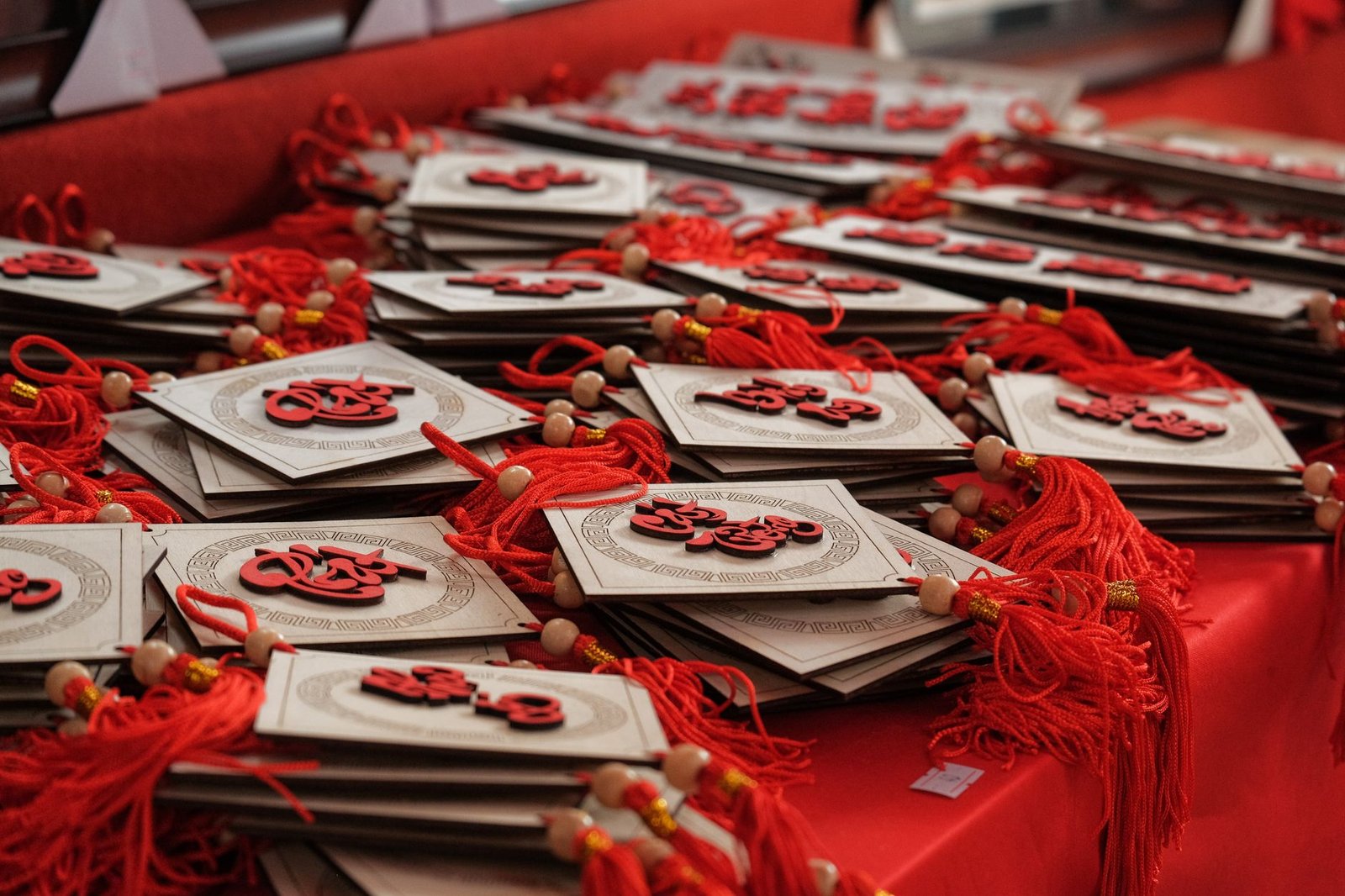
Each Chinese year is named after one of 12 zodiac animals: Rat, Ox, Tiger, Rabbit, Dragon, Snake, Horse, Goat, Monkey, Rooster, Dog, and Pig. The animals rotate in a fixed order.
2026 is the Year of the Horse. More precisely, it is a Fire Horse year, because the zodiac also cycles through five elements (Wood, Fire, Earth, Metal, Water) on a 60-year loop. The last Fire Horse year was 1966.
The zodiac year does not start on January 1. It starts on Chinese New Year, so the Year of the Horse runs from February 17, 2026 to February 5, 2027. Anyone born in that window is a Horse.
You will see the zodiac everywhere during your trip — on decorations, stamps, souvenirs, and shop windows. It is a fun conversation starter, but do not over-plan around it. For travelers, the calendar’s real job is timing festivals and holidays.
What are solar terms, and why they matter
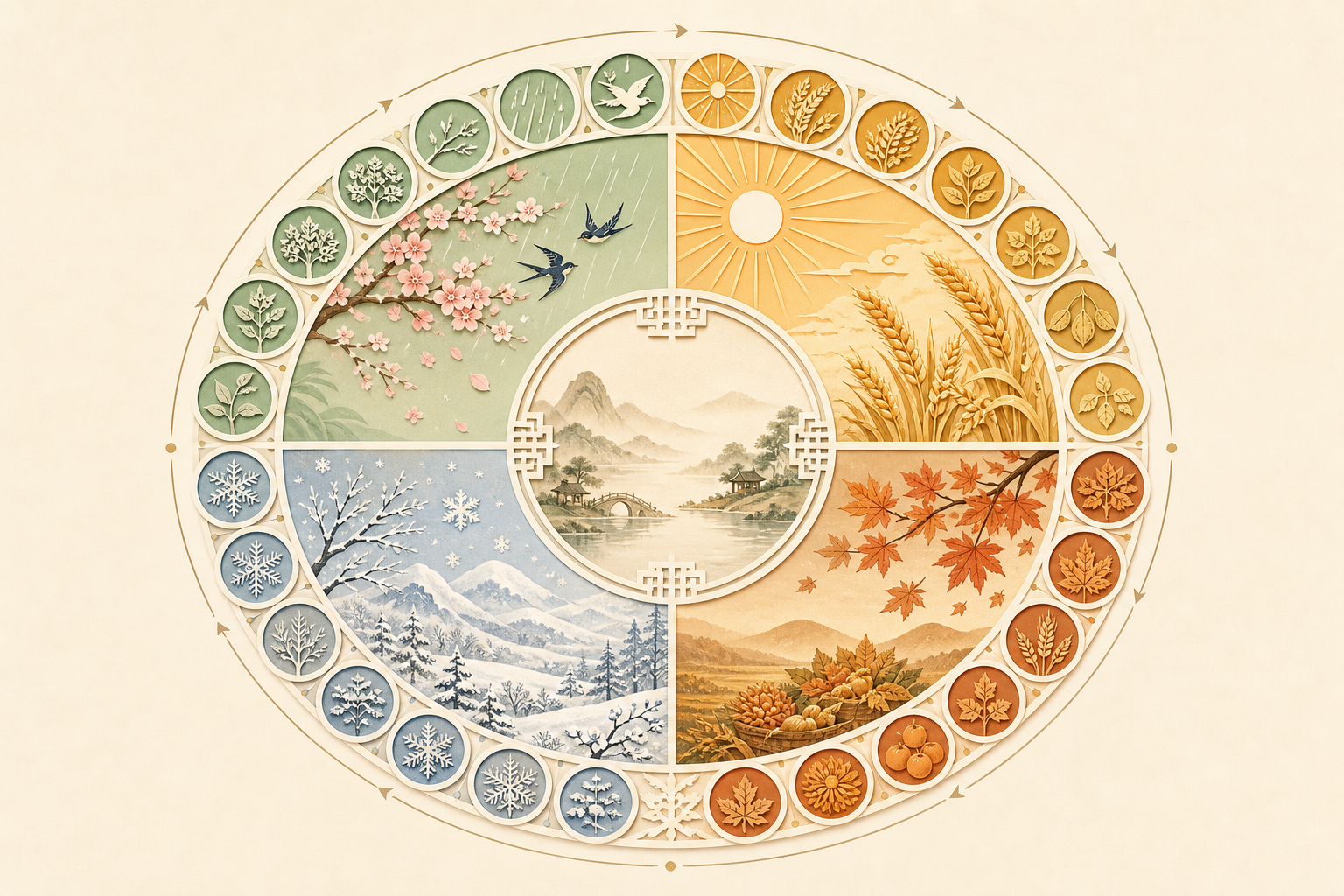
The lunar side of the calendar tracks the moon, but farmers needed to know the seasons, which follow the sun. So the calendar also divides the solar year into 24 solar terms, each about 15 days long and tied to the sun’s position.
The solar terms have poetic names that describe the weather and farm work: Start of Spring (Lichun), Grain Rain (Guyu), Grain in Ear (Mangzhong), and Great Cold (Dahan). They are so tied to the sun that they line up with near-fixed Gregorian dates each year.
UNESCO added the 24 solar terms to its Representative List of the Intangible Cultural Heritage of Humanity on November 30, 2016. In early 2026, China marked the 10-year anniversary of that recognition.
Two solar terms matter most to travelers, because they double as festivals or peak seasons:
| Solar term | English name | 2026 date | Why travelers care |
|---|---|---|---|
| Lichun | Start of Spring | Feb 4 | Signals spring; often near Chinese New Year |
| Qingming | Clear and Bright | Apr 5 | Tomb-Sweeping Day; a public holiday with domestic travel |
| Xiazhi | Summer Solstice | Jun 21 | Longest day; peak summer heat begins |
| Dongzhi | Winter Solstice | Dec 22 | Families eat dumplings and tangyuan; cold-weather travel |
Sofia, a food blogger from Spain, timed her Hangzhou trip around Guyu (Grain Rain, around April 20) specifically to catch the fresh Longjing tea harvest. That is the calendar working in a traveler’s favor.
The 2026 festivals and public holidays you must plan around
This is the part that changes your trip. China’s traditional festivals follow the lunar calendar, so their Gregorian dates move each year. The government then sets official public holidays around them, confirmed by the State Council on November 4, 2025.
When a holiday needs to be longer, the government "borrows" nearby weekend days and turns them into make-up workdays. So the days right before and after a Golden Week can be unusual working Saturdays or Sundays.
Here are the confirmed 2026 dates:
| Festival / Holiday | Lunar date | 2026 official holiday | Golden Week? |
|---|---|---|---|
| New Year’s Day | — (Gregorian) | Jan 1–3 | No |
| Spring Festival (Chinese New Year) | 1st day, 1st month | Feb 15–23 (9 days) | Yes |
| Lantern Festival | 15th day, 1st month | Mar 3 (not a day off) | No |
| Qingming (Tomb-Sweeping) | Solar term | Apr 4–6 | No |
| Labour Day | — (Gregorian) | May 1–5 | Mini |
| Dragon Boat Festival | 5th day, 5th month | Jun 19–21 | No |
| Mid-Autumn Festival | 15th day, 8th month | Sep 25–27 | No |
| National Day | — (Gregorian) | Oct 1–7 | Yes |
The two true Golden Weeks are Spring Festival (Feb 15–23) and National Day (Oct 1–7). During these weeks, an estimated 3 billion trips are made across the 40-day Spring Festival period alone. Trains sell out, top sites hit capacity, and prices jump.
The 2026 Spring Festival break is 9 days long — the longest in the country’s history. To make that work, February 14 and February 28 (both Saturdays) become make-up workdays. National Day borrows September 20 and October 10 as workdays.
If you want smooth travel, aim for the gaps between holidays — mid-March to late April (outside Qingming), or late October to early December. Weather is often mild and crowds thin out.
Reading a Chinese calendar (and your phone) in China
You will rarely need to read a paper almanac, but you will notice lunar dates on some apps and printed calendars. A typical Chinese wall calendar shows the big Gregorian number, with the smaller lunar date printed underneath.
Booking apps in China (like the ones for trains and hotels) all use standard Gregorian dates, so you do not need to convert anything to reserve a seat or a room. Your bookings stay simple.
Where the calendar bites is availability, not dates. A hotel that is $60 on a normal Tuesday can triple during National Day. Locking in trains and rooms early is the whole game — see our guide to booking China high-speed train tickets for how far ahead you can reserve.
If you plan to pay like a local during festival shopping, set up mobile payments first. Our walkthrough on using Alipay in China as a foreigner covers linking a foreign card so you are ready for market stalls and street food.
Frequently asked questions
What is the difference between the Chinese calendar and the lunar calendar?
They are almost the same term in everyday use, but not identical. The Chinese calendar is lunisolar — it tracks both the moon (for months) and the sun (for solar terms and leap months). A pure lunar calendar ignores the sun, so "Chinese calendar" is the more accurate name.
When is Chinese New Year 2026, and should I avoid it?
Chinese New Year 2026 is February 17, and the official Spring Festival holiday runs February 15–23. Avoid it unless you want to see the festivities firsthand. Trains, flights, and hotels sell out fast, and many small shops and family restaurants close for several days.
Do businesses in China close during festivals?
Big attractions, malls, and chain restaurants stay open and get very busy. Smaller family-run shops and eateries often close during Spring Festival for up to a week. Banks and government offices shut on official holiday days, so handle any admin before the break.
What are the 24 solar terms?
The 24 solar terms divide the solar year into 24 roughly 15-day periods based on the sun’s position, marking seasons, weather, and farm cycles. Names like Start of Spring and Winter Solstice guide food, festivals, and farming. UNESCO recognized them as Intangible Cultural Heritage in 2016.
Which festivals are national holidays with days off?
Seven periods give days off in 2026: New Year’s Day, Spring Festival, Qingming, Labour Day, Dragon Boat, Mid-Autumn, and National Day. The Lantern Festival is celebrated widely but is a normal working day, not an official day off.
Do I need to use the Chinese calendar to book my trip?
No. All trains, flights, and hotels in China book on the normal Gregorian calendar. Just use the Chinese calendar as a heads-up for when the crowds and holiday closures hit, then plan your dates around the two Golden Weeks.
Before you go: plan around the calendar
The Chinese calendar rewards travelers who plan a little. A few smart moves keep you out of the worst crowds and get you the best prices.
- Mark the two Golden Weeks: Spring Festival (Feb 15–23) and National Day (Oct 1–7, 2026). Avoid arriving or leaving on the first and last days.
- Book trains and hotels early if your dates touch any holiday. High-speed seats around Golden Weeks disappear within hours of release.
- Check make-up workdays (like Feb 14, Feb 28, Sep 20, Oct 10) so a "weekend" trip does not land on a surprise workday.
- Aim for the shoulder gaps — mid-March to April or late October to early December — for mild weather and space to breathe.
- Sort payments and connectivity before you fly, so festival shopping and last-minute bookings are stress-free.
You can double-check official festival dates on the China Highlights holiday calendar and read UNESCO’s own listing of the 24 solar terms heritage entry. For a wider view of timing your visit, browse our itineraries and trip-timing guides.
Ready to lock in your dates before the crowds do? The single best move is to secure your rail travel early. Get a free, no-obligation train ticket quote from Relax in China — our team books your high-speed seats around the festival calendar so you travel easy, not elbow-to-elbow.
Featured image: “Jiaobei and joss papers beside Chinese lunar calendar booklets at Jindun Chenghuang Temple, as taken on 11 January 2021.jpg” by Kai3952, via Wikimedia Commons, CC BY-SA 4.0.