
China’s 2026 public-holiday calendar includes seven national breaks. The State Council notice also assigns several weekend days as working days, a detail that matters for business appointments and domestic travel. The two periods with the greatest planning impact are the nine-day Spring Festival break, February 15–23, and the seven-day National Day break, October 1–7.
The dates below come from State Council notice 国办发明电〔2025〕7号, issued November 4, 2025. They apply to 2026 and should not be reused as an evergreen calendar.
Official China public holidays for 2026
| Holiday | Official days off | Length | Adjusted working day(s) |
|---|---|---|---|
| New Year’s Day | January 1–3 | 3 days | Sunday, January 4 |
| Spring Festival | February 15–23 | 9 days | Saturday, February 14; Saturday, February 28 |
| Qingming Festival | April 4–6 | 3 days | None listed |
| Labour Day | May 1–5 | 5 days | Saturday, May 9 |
| Dragon Boat Festival | June 19–21 | 3 days | None listed |
| Mid-Autumn Festival | September 25–27 | 3 days | None listed |
| National Day | October 1–7 | 7 days | Sunday, September 20; Saturday, October 10 |
An adjusted working day is not another holiday. Schools, offices and organisations may operate that weekend according to their own arrangements. Travellers with meetings should confirm the specific workplace schedule rather than relying only on the national table.
Why Spring Festival needs a separate plan
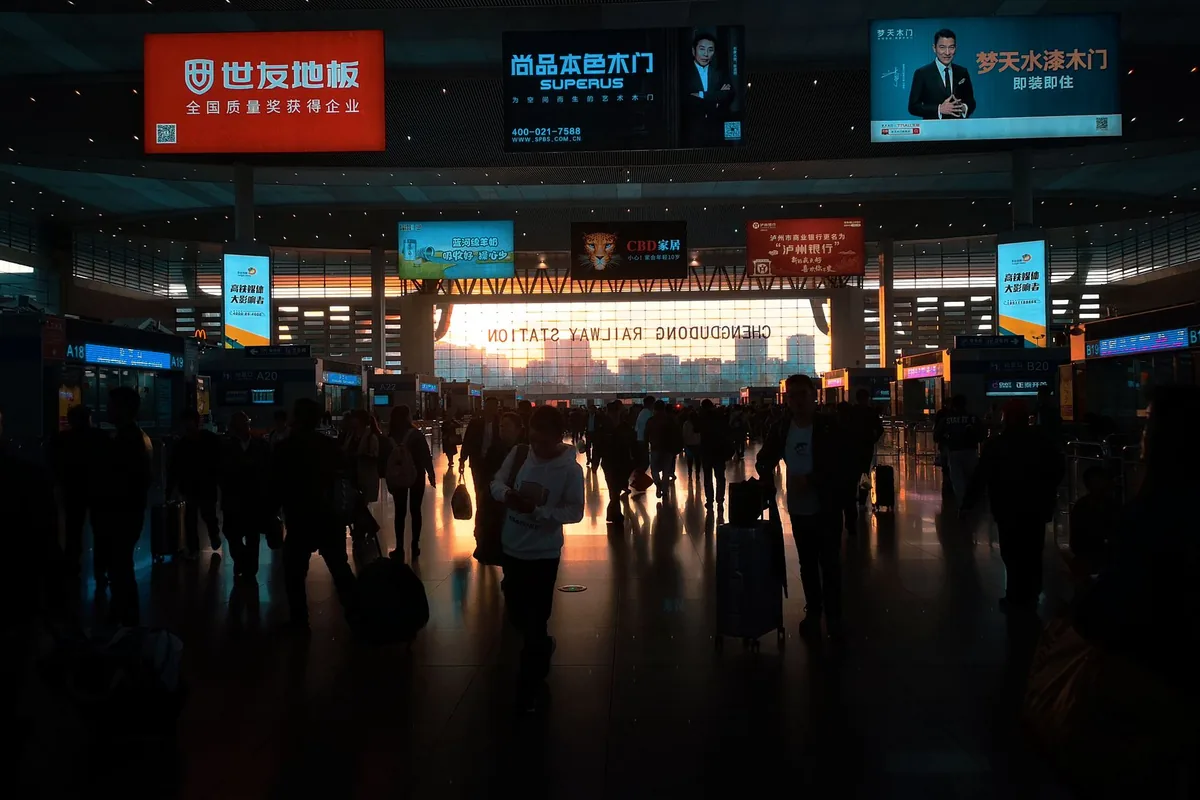
Spring Festival combines a long official break with family travel before and after the listed dates. Demand for transport can rise well outside February 15–23, and small businesses may use schedules that differ from national chains or major attractions.
Build the itinerary around these checks:
- search the exact train or flight date as soon as the booking channel opens it;
- confirm hotel cancellation terms rather than assuming every rate is flexible;
- check each attraction’s own holiday notice;
- keep an alternative meal and local-transport plan for the first days of the festival;
- leave more transfer time at major stations.
The Chinese New Year guide covers the festival itself. This page focuses on official days off and trip logistics.
What “Golden Week” means for an itinerary
National Day runs from October 1 through October 7 in 2026. Popular intercity routes and headline attractions can face heavy domestic demand. That does not mean every place in China is equally crowded, and it does not justify an automatic “do not visit” rule.
A more useful response is to reduce friction: stay in one city longer, choose timed-entry attractions carefully, avoid same-day long-distance transfers and use neighbourhood days between major sights. The China train-versus-flying guide helps compare door-to-door options without assuming one mode always wins.
The other five breaks
New Year’s Day, Qingming, Labour Day, Dragon Boat Festival and Mid-Autumn Festival can also affect availability. Labour Day’s five-day break deserves particular attention for popular routes. The shorter festival weekends may have a stronger local or regional effect than a nationwide one.
Do not infer that every shop, museum or restaurant follows the same opening pattern during Mid-Autumn Festival or any other holiday; current venue notices remain controlling.
How far ahead should you book?
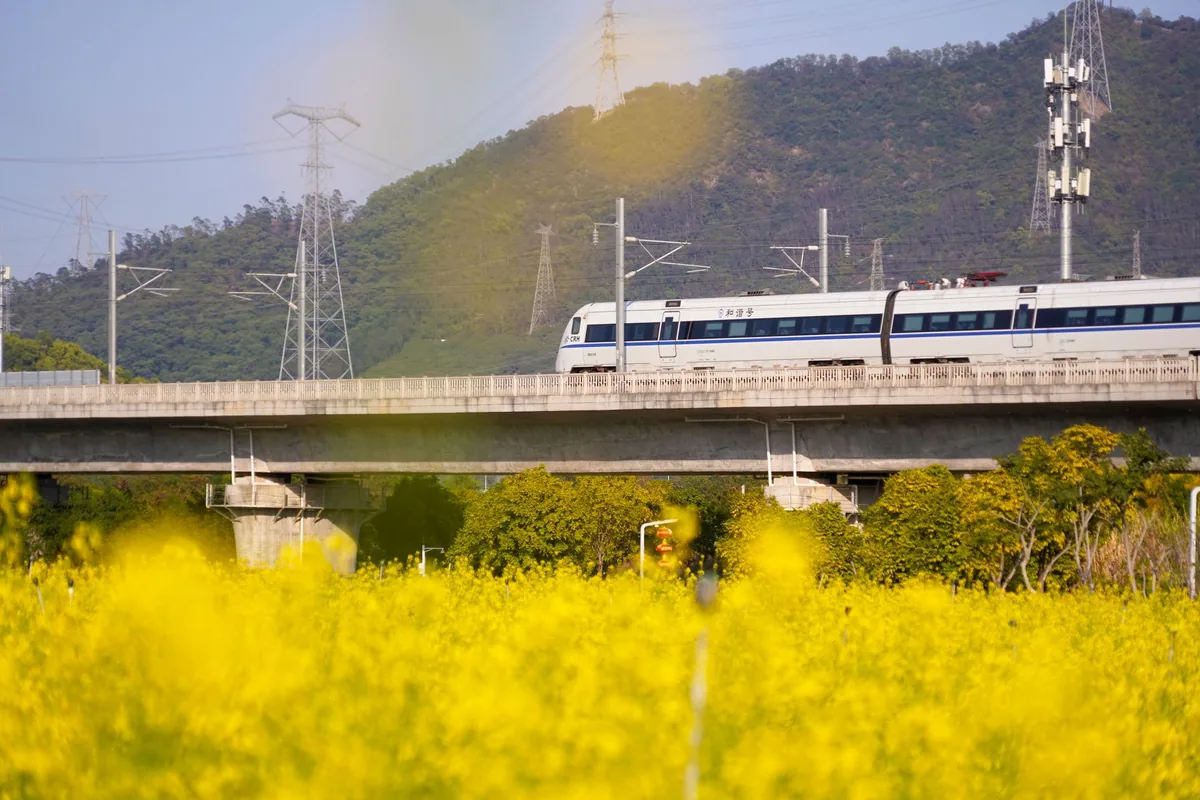
There is no single safe number of days for every route and product. Railway ticket sale windows, flight inventory, attraction releases and hotel terms follow different systems and can change. Check the official or contractual booking channel for the exact date instead of relying on an old “book X days ahead” rule.
For a high-demand period:
- settle the city sequence before booking non-refundable rooms;
- check when the exact train date appears on 12306;
- avoid connecting two independently booked services with a narrow margin;
- save confirmation numbers and Chinese addresses offline;
- recheck opening notices shortly before each visit.
The China packing list includes offline documents and practical backups. It cannot replace action-time booking checks.
Public holidays versus annual leave and school calendars
The State Council table is the national baseline. Individual employers, schools, universities, museums and private businesses can have additional closures or different service hours. A public holiday also does not automatically determine an attraction’s ticket policy.
For a business trip, send meeting-date questions to the actual counterpart. For family travel, check school calendars and child-ticket rules separately. This article is a travel-planning calendar, not a statement of any organisation’s workplace policy.
Frequently asked questions
When is Chinese New Year in China in 2026?
The official Spring Festival break is February 15–23, 2026. February 14 and February 28 are adjusted working Saturdays under the State Council notice.
When is China’s National Day holiday in 2026?
The official break is October 1–7. September 20 and October 10 are adjusted working days.
Are attractions closed on public holidays?
There is no universal rule. Many major attractions operate with holiday schedules, while some venues close or change admission arrangements. Check the venue’s current notice.
Should I avoid China during Golden Week?
Not automatically. Travellers who dislike crowds may prefer another week, but a slower one-city itinerary with advance reservations can still be workable.
Why are some weekends working days?
The official schedule shifts selected weekend days to create longer continuous breaks. The exact dates are listed in the annual State Council notice.
Takeaway
For 2026, plan most carefully around February 15–23 and October 1–7, while also noting the adjusted working weekends. Use the official calendar to set the framework, then verify each train, flight, hotel and attraction on its current channel. The date table is precise; the travel impact still depends on route and place.
Image credits
- Featured image: Red lanterns at a traditional Chinese building. Photo by Suki Lee on Pexels. — Pexels License.
- First inline image: Passengers inside Chengdu East Railway Station. Photo by zhen tang on Pexels. — Pexels License.
- Second inline image: A high-speed train crossing spring fields. Photo by kf zhou on Pexels. — Pexels License.