
Tianjin is easy to reach from Beijing, but that convenience often reduces the city to a rushed day trip. A better first visit gives it two days: one for the former concession districts and Hai River, and one for the old-city area, a museum or Binhai. The main planning decision is not which attraction to collect. It is whether to stay downtown and avoid losing time to the wrong railway station.
Decide whether Tianjin needs one day or two
A single day can cover Wudadao, part of the riverfront and one evening area. It cannot comfortably include central Tianjin and Binhai, which sits well east of the old urban core. Trying to add the Binhai Library to a short visit usually turns an architectural stop into a transport-heavy day.
Two days create a more coherent split:
- Day 1: Wudadao, Jingyuan or another small historic site, then the Hai River and Italian Style Town.
- Day 2: Tianjin Museum and the old-city area, or a dedicated Binhai trip if the library is a priority.
Check the exact opening notice for any museum or historic residence before assigning it to a day. Temporary exhibitions, holiday schedules and reservation procedures can change.
Arrive at the station that fits your plan
High-speed services from Beijing may use Tianjin Station or Tianjin South. Tianjin Station is the more convenient arrival for the Hai River and central districts. Tianjin South is outside the core and adds a transfer before sightseeing begins.
Search the exact date and station on the official railway system rather than relying on a fixed journey time or fare. The 12306 guide for foreign travellers explains passport-name matching, booking and station entry. If Tianjin is part of a longer north-China route, compare the wider options in the Destinations hub.
Save the station name in Chinese as well as English. “Tianjin” in a conversation is not enough to confirm which station a driver or booking screen means.
Walk Wudadao instead of treating it as a photo stop
Wudadao, or the Five Great Avenues, is the strongest introduction to Tianjin’s early twentieth-century urban history. The district takes its name from five parallel streets named after Chinese cities. Former residences, civic buildings and houses in several architectural traditions are spread across a working neighbourhood rather than enclosed inside one attraction.
The useful way to see it is on foot. Start near Minyuan Square, then follow Machang, Munan and Dali roads while reading the plaques on individual buildings. A vehicle circuit is faster, but it removes the small changes in street scale and building detail that make the area worthwhile.
The national government’s coverage of Wudadao describes it as a downtown block known for early twentieth-century architecture and former celebrity residences. That is a sound orientation, but individual buildings may have separate access rules. Treat the streets as the core experience and any open residence as an addition.
Use the Hai River to connect old and modern Tianjin
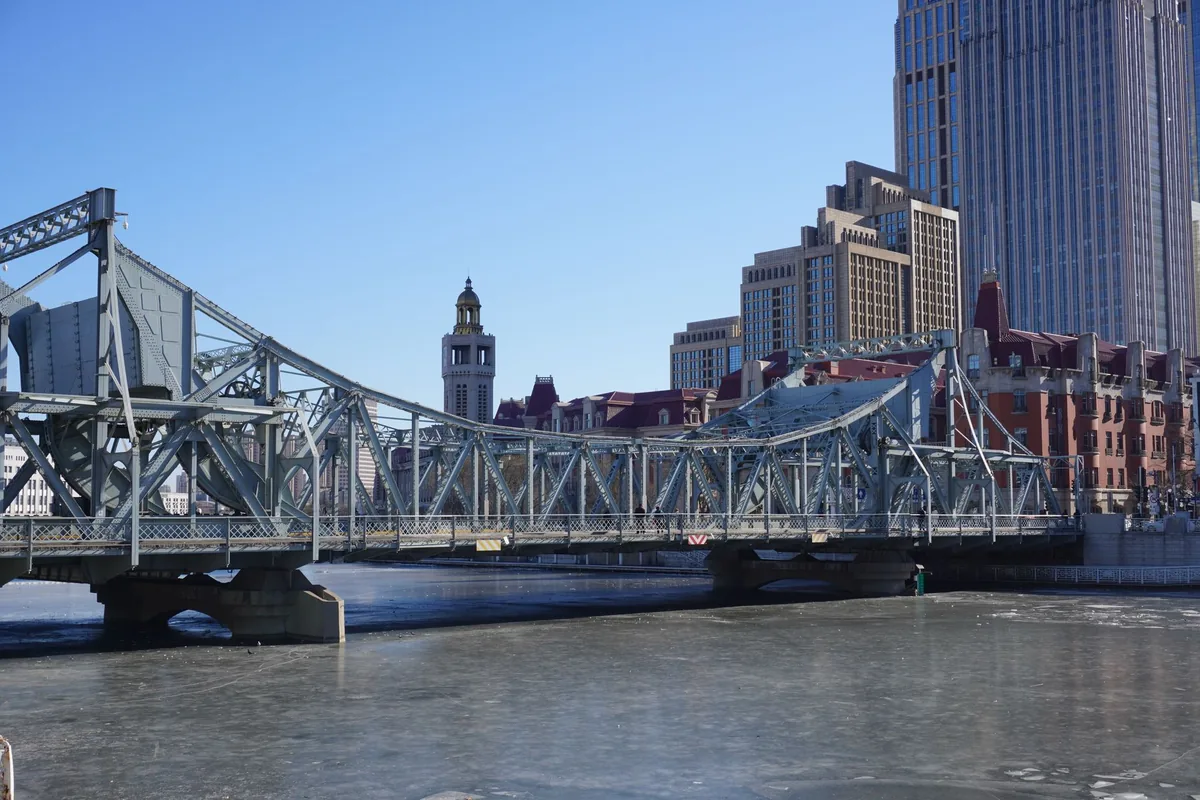
The Hai River gives the city a clear evening route. Jiefang Bridge, the station frontage and the riverside buildings work well as one walk, while the Tianjin Eye lies farther north. River cruises and the wheel are optional products with changeable schedules and prices; neither is necessary to understand the waterfront.
Italian Style Town is compact and heavily commercialised, but it fits naturally into a river walk. Go for the surviving street pattern and evening atmosphere rather than expecting an intact European quarter. Ancient Culture Street offers a different version of Tianjin: denser, more souvenir-oriented and connected to local temple and folk-art traditions.
These areas are busiest on weekends and national holidays. If the trip falls in a holiday period, simplify the route and avoid placing multiple timed attractions on the same day.
Choose one major indoor stop
Tianjin Museum is the most useful indoor choice for a first visit because its permanent displays connect local history with a broader collection of art and material culture. Its official site publishes current opening notices, reservation periods and exhibition changes. Some exhibitions are free while special exhibitions may be ticketed separately.
The Binhai Library is a different kind of visit: contemporary architecture rather than a historical collection. It belongs on a separate Binhai half-day, not between central-city stops. Confirm both opening status and the route before leaving downtown, especially after severe weather or during a public holiday.
Jingyuan, the former residence associated with Puyi’s years in Tianjin, is smaller and easier to combine with Wudadao. As with other historic residences, verify access at the official ticket or notice channel rather than copying an old timetable.

Eat breakfast before planning the rest of the day
Tianjin’s most useful food advice is about timing. Jianbing guozi is a morning food, and neighbourhood stalls may finish well before lunch. The Tianjin style is usually built around a mung-bean-flour crepe, egg, sauce and either crisp fried dough or a youtiao. Variations exist, so a stall’s queue and turnover matter more than a claim that one shop is definitive.
Other local foods include mahua, fried glutinous rice cake and Bohai seafood. Goubuli baozi is the famous brand, but fame alone is not a reason to build an itinerary around it. Try one or two neighbourhood places rather than converting the day into a checklist of branded shops.
Mobile payment is widely useful, but a backup payment method remains sensible. Set up the basics before arrival with the guide to using Alipay in China as a foreigner.
A practical two-day Tianjin itinerary
Day 1: architecture and riverfront
Begin in Wudadao and walk the historic streets before the busiest period. Add Jingyuan only if its current admission arrangements fit. After a break, continue to the central Hai River, Jiefang Bridge and Italian Style Town. Finish on the riverfront rather than adding a distant night attraction.
Day 2: museum and old city, or Binhai
Choose one of two routes. For a historical day, reserve Tianjin Museum if required, then continue to Ancient Culture Street and the northern riverfront. For a contemporary-architecture day, travel to Binhai and give the library and surrounding cultural centre a dedicated block.
Do not try to combine both versions unless the transport and opening times have been checked for that date.
Where to stay
- Heping District: best for Wudadao, central shopping streets and a first visit.
- Near Tianjin Station: convenient for a short rail trip and the central riverfront.
- Binhai New Area: useful only when business or several eastern attractions justify the distance.
Confirm the nearest metro station and the property’s Chinese address before booking. A hotel described as “Tianjin centre” may still be inconvenient for the route you chose.
Frequently asked questions
Is Tianjin worth an overnight stay from Beijing?
Yes, if Wudadao, breakfast culture and the evening riverfront are part of the trip. One night removes the pressure to fit those experiences around the last train.
Can Tianjin and the Binhai Library fit into one day?
They can, but central-city sightseeing will be limited. Treat Binhai as a separate half-day and verify the library’s opening notice before travelling east.
Which Tianjin railway station is best for tourists?
Tianjin Station is usually more convenient for the central riverfront and Heping District. Check the station printed on the ticket because some services use Tianjin South.
When is Tianjin easiest to visit?
Spring and autumn generally suit long walks better than the hottest or coldest months. Avoid assuming that pleasant weather means light crowds during national holidays.
The practical takeaway
A useful Tianjin plan is a route, not a ranked attraction list. Stay near the central districts, walk Wudadao, use the Hai River as the evening spine and give Binhai its own time if it matters. Check train stations and current museum notices before travel, then leave enough space for the breakfast and street life that a day trip tends to miss.
Official planning sources
Image credits
- Featured image: Tianjin cityscape along the Hai River. Photo by 逐光 创梦 on Pexels. — Pexels License.
- First inline image: Jiefang Bridge in Tianjin. Photo by 逐光 创梦 on Pexels. — Pexels License.
- Second inline image: Traditional gate building in Tianjin. Image by ermell, via Wikimedia Commons. — CC BY-SA 3.0.