You want to get the most out of your trip to Shanghai Museum. Planning helps you see what matters most to you. Before you go, check the hours and ticket rules. Knowing the layout makes your visit smooth. Many people visit top museums in China every year, like the Palace Museum and the National Museum of China. See how they compare below:
| Museum | Annual Visitors |
|---|---|
| Palace Museum | 19 million |
| National Museum of China | 6.75 million |
| Shanghai Museum | N/A |
With the right tips, you can enjoy your time and not miss the highlights.
Key Takeaways
- Check when the museum opens before you go. Make a reservation online so you do not wait in long lines.
- Pick which galleries you like best. Make a list so you see what you want most.
- Get to the museum early. It is quieter and less busy then, especially on weekends.
- Use a museum map to help you find your way. It will help you choose the best path through the galleries.
- Bring a small water bottle. Wear shoes that are comfortable so you enjoy your visit more.
Plan Your Visit
Why Planning Matters
You want your trip to the Shanghai Museum to be smooth and enjoyable. Planning ahead helps you avoid surprises. The museum requires you to make an online reservation before you arrive. You should check the opening hours because the museum closes on Tuesdays, except for holidays. If you plan your visit, you can see more art and learn more about Chinese history. You will also avoid long lines and crowded galleries.
Tip: Book your ticket online as early as possible, especially during weekends or holidays.
Setting Priorities
The Shanghai Museum has many galleries and thousands of objects. You may not have time to see everything. Think about what interests you most. Do you like ancient bronze, ceramics, or paintings? Make a list of your favorite topics. You can look at the museum map online and choose the galleries you want to visit first. If you travel with family or friends, ask them about their interests too. This way, everyone enjoys the visit.
- Make a list of must-see galleries.
- Check the museum’s website for special exhibits.
- Ask your group about their favorite art styles.
Time Needed
You do not need to rush through the Shanghai Museum. You can choose how much time to spend based on your schedule. Here is a simple guide to help you plan:
| Recommendation | Time Needed |
|---|---|
| Brief Visit | 30 minutes |
| Thorough Visit | 1 hour |
If you want a quick look, you can see the main highlights in about 30 minutes. For a deeper experience, plan for at least one hour. You can always stay longer if you have more time. Planning your time helps you enjoy the museum without feeling tired or overwhelmed.
Shanghai Museum Overview
Layout & Galleries
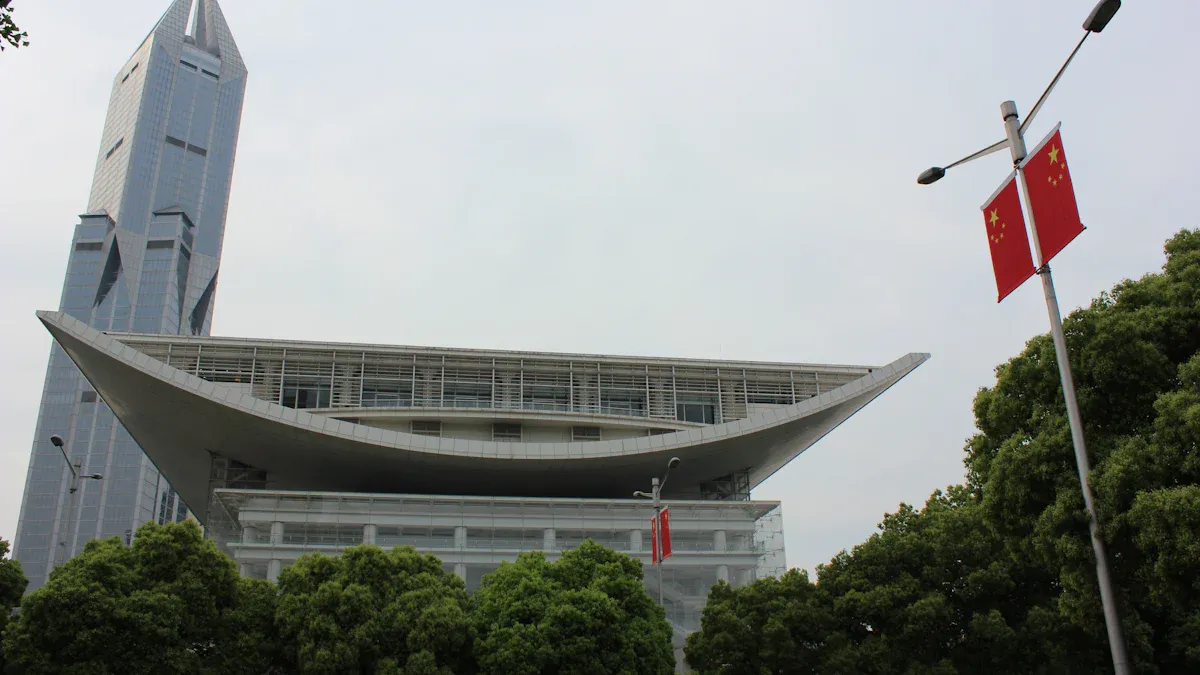
The Shanghai Museum sits in People’s Square. Its round dome and square base stand for heaven and earth. When you walk in, the layout is easy to follow. There are eleven main galleries inside. Each gallery shows a different kind of art. You can see bronze, ceramics, painting, calligraphy, sculpture, and jade. Use the museum map to plan your visit. This helps you find your favorite collections.
The Shanghai Museum can let in 8,000 people each day. If it is busy, you may wait 5–10 minutes, even with a reservation.
Collection Highlights
The Shanghai Museum has over a million relics. You can learn about 5,000 years of Chinese history here. The museum is known for ancient Chinese bronzes, dynastic porcelains, and Tang dynasty pottery. You will find celadon ceramics from the Shang and Zhou dynasties. There are porcelains from the Warring States period. You can also see pottery with polychrome glaze from the Tang dynasty. These pieces are famous for their beauty and value. The museum has paintings and calligraphy that show the talent of Chinese artists.
- Ancient Chinese bronzes
- Dynastic porcelains
- Tang dynasty pottery
Temporary Exhibits
There is more to see than just the main galleries. The Shanghai Museum often has special exhibitions. These shows feature both old and new art. The museum helped modern Chinese fine arts grow. In 1996, it started the Shanghai Biennale. This was China’s first big international art event backed by the government. You can see how the museum links the past and present with these exhibits.
Tip: Look at the museum’s website before you go. You can find out which temporary exhibitions are open.
Must-See Galleries
Bronze Art
The Bronze Art gallery is on the first floor. Here, you can see how ancient people used bronze. They made tools, weapons, and special objects for ceremonies. The collection shows items from the Shang dynasty to the Han dynasty. You will notice big vessels with animal shapes and lots of details. These objects tell us about old Chinese life and beliefs. When you look at the bronze, you see the artists’ skill and ideas. The gallery shows why bronze was important in daily life and special events.
Tip: Try to find the famous “Ding” tripod cauldrons. These stood for power and leadership in ancient China.
Ceramics & Porcelain
The Ceramics & Porcelain gallery is one of the best in the museum. You will see old ceramics in a modern display. The gallery uses bright lights and clear glass cases. The cases look like they float, making the room feel open. This design is not like other museums in Shanghai or China. Other places are often dark with thick glass. Here, you can see the colors and details very well.
You will find ceramics from many different dynasties. Some pieces are simple with soft colors. Others have bright glazes and hard patterns. The gallery lets you see how ceramic art changed over time. You can compare early pottery to later porcelain. This helps you learn about Chinese art and new skills.
- Look at celadon from the Shang and Zhou dynasties.
- See the colorful glazes from the Tang dynasty.
- Find the blue-and-white porcelain from the Ming and Qing dynasties.
Painting & Calligraphy
The Painting & Calligraphy gallery lets you see famous Chinese art. You will find scrolls, handscrolls, and hanging scrolls. Each one shows the artist’s skill and the beauty of Chinese writing and painting. The gallery has art from the Tang dynasty to the Qing dynasty.
Here are some highlights you should see:
| Artwork Title | Artist/Period | Characteristics |
|---|---|---|
| High Elegance | Tang Dynasty | A great work with both history and art value. |
| Gao Yi Tu | Sun Wei, Tang Dynasty | Famous for its art and past shows. |
| Snowy Bamboo | Xu Xi, Five Dynasties | Uses ink wash to show snow, which was new then. |
| Welcoming the Wise | Southern Song | A big scroll showing a famous event, with many meanings. |
| Duck Head Pill Scroll | Wang Xianzhi | Important in calligraphy, with deep meaning. |
| Willow, Wild Goose, and Reed | Zhao Ji | Shows many themes in Chinese painting. |
You can see how artists used brush and ink for words and pictures. The gallery helps you learn how painting and calligraphy are linked in Chinese culture.
Sculpture & Jade
The Sculpture & Jade gallery lets you see two big art forms. You will find stone and wood statues from Buddhist temples. Many statues have calm faces and flowing clothes. They help you learn about Buddhism in Shanghai and China.
The jade collection is also special. You will see jade carvings from the Neolithic period to the Qing dynasty. Jade objects often look like animals or lucky symbols. People long ago thought jade had magic powers. When you look at these pieces, you see the care and time needed to shape hard stone into art.
- Look for the jade burial suits from the Han dynasty.
- Notice the small details in the Buddhist statues.
Minority Art
The Minority Art gallery shows the lives of China’s many ethnic groups. You will see art that looks different from Han Chinese styles. The gallery shows how each group uses its own colors, patterns, and materials. You can learn about their traditions and stories through their art.
Here are some special items you will see:
| Handicraft Type | Description |
|---|---|
| Textiles | Special fabrics from different ethnic groups |
| Embroidery | Unique stitching and patterns |
| Metalware | Objects showing old metalworking skills |
| Sculpture | Art that tells cultural stories and beliefs |
| Lacquerware | Decorative things made with special lacquer |
| Pottery | Useful and pretty pottery from many groups |
| Wooden Masks | Masks used in rituals and shows |
- The gallery has pottery and art that is different from main Chinese art.
- You will see how each group shares its story through art and crafts.
Note: The Minority Art gallery helps you see the rich mix of cultures in Shanghai and all of China.
Visitor Info & Entry
Opening Hours
Check the museum’s hours before you go. It opens at 10:00 AM and closes at 6:00 PM. You cannot enter after 5:00 PM. The museum is closed on Tuesdays, unless it is a public holiday. Knowing this helps you plan your visit and not miss out.
| Opening Hours | Last Entry | Closed Days |
|---|---|---|
| 10:00 – 18:00 | 17:00 | Tuesday (except public holidays) |
Tip: Get there early to see the galleries with fewer people.
Location & Access
The Shanghai Museum is in the middle of Shanghai. Its address is No. 201 Renmin Avenue, Huangpu District. The museum is in People’s Square, a well-known place in the city. You can get there easily by subway. Take Line 2 to Shanghai Science and Technology Museum Station (use exits 1 or 2). Or take Lines 4 or 6 to Pudian Road Station (use exit 2).
| Address | Public Transportation Options |
|---|---|
| No. 201 Renmin Avenue, Huangpu District, Shanghai | Subway: Line 2 (Shanghai Science and Technology Museum Station, exits 1 and 2), Lines 4 and 6 (Pudian Road Station, exit 2) |
Note: Buses and taxis are also options, but the subway is usually the fastest way to get there.
Admission & Reservations
You do not have to pay to enter. The Shanghai Museum lets everyone in for free. But you must book your visit online before you go. The museum only lets in a certain number of people each day, so reserve early. If you are from another country, use your passport to book your ticket online. There is an English mini-program to help you with booking.
- Free entry for all visitors
- Online reservation is required
- Foreign visitors can use their passport to book
Accessibility
The museum is easy for people with disabilities to visit. There are ramps on both sides of the main entrance steps. Elevators help you go to different floors. Bathrooms for people with disabilities are available. The museum tries to make things easy for everyone. If you do not speak Chinese, you can use the English booking system to get your ticket.
Tip: If you need help or directions, ask the staff during your visit.
Museum Navigation Tips
Suggested Routes
You can see a lot at the Shanghai Museum if you follow a smart path. Start on the first floor with Bronze Art. You will find old Chinese bronzes there. Look for the Da Ke Ding, which is almost 3,000 years old. Next, go to Ceramics & Porcelain. You will see pottery from many dynasties. Then, visit Painting & Calligraphy. You can enjoy scrolls and writing by famous artists. After that, check out Sculpture & Jade. Finally, go to Minority Art. This route lets you see the best Chinese art and culture quickly.
- Start with Bronze Art (find Da Ke Ding)
- Go to Ceramics & Porcelain next
- Visit Painting & Calligraphy after that
- Explore Sculpture & Jade
- End with Minority Art
Tip: If you only have one hour, focus on these main galleries to see the top art.
Avoiding Crowds
You can have a quieter visit if you come early. Most people arrive after lunch. The first hour after opening is less crowded. Weekdays are calmer than weekends or holidays. If a gallery is busy, try another area and come back later. The museum limits visitors each day, but some galleries still get crowded.
- Arrive when the museum opens for fewer people
- Visit popular galleries first
- Pick weekdays instead of weekends
Using Maps & Guides
Maps and audio guides help you find your way in the Shanghai Museum. You can get printed maps and audio guides at the entrance. They come in many languages, so you can pick the one you like.
| Language | Availability |
|---|---|
| Chinese | Yes |
| English | Yes |
| French | Yes |
| Japanese | Yes |
| German | Yes |
| Korean | Yes |
| Spanish | Yes |
| Italian | Yes |
Note: Using a map or guide helps you learn about each gallery and makes your visit easier.
Practical Tips
What to Bring
You want your trip to the Shanghai Museum to be easy and fun. Here are some things you should bring with you: Rent an audio guide at the entrance. It helps you learn more about the exhibits. Use the storage area for your bags and umbrellas. Big bags are not allowed in the galleries. Bring a small water bottle. You cannot eat or drink in the museum, but you can drink water in the lobby. Wear shoes that are good for walking. You will walk a lot in the museum. Check the weather before you leave home. If it might rain, bring an umbrella, but store it at the entrance.
Tip: Eat before you go inside. You cannot bring food into the museum.
Food & Amenities
You cannot eat food inside the Shanghai Museum. There are many places to eat near the museum. The restaurants around People’s Square have lots of choices. You can try different foods and drinks close to the museum:
| Food/Beverage Options | Description |
|---|---|
| Beef Tartare | Made with nori marmalade, spices, and horseradish, topped with caviar. Served with tempura shiso leaves. |
| Roasted Eggplant | Flavored with burnt Sichuan chilies, served with purple sweet potato chips and preserved egg. |
| Black Shrimp Open Dumpling | An inside-out fried dumpling with shrimp, yuxiang sauce, and five spice chili oil. |
| Beyond Bolognese | Spaghetti made with Beyond Meat, fried with Sichuan fermented bean paste. |
| Wood-fired Pizzas | A small selection of pizzas made in a wood-fired oven. |
| Crab Omelet | A silky omelet with seafood, flavored with oyster sauce. |
| Cocktails | A variety of cocktails available, starting from ¥78. |
| Wines | Selection of wines by the glass from ¥60 and by the bottle from ¥280. |
You can find both local and international food nearby. Try something new to eat when you visit Shanghai.
Photography & Etiquette
You can take photos for yourself in many parts of the museum. Always look for signs or ask the staff if you are not sure. Some galleries have special rules about photos. Speak quietly when you are in the galleries. Do not touch the exhibits and respect the barriers. Follow all the rules from the staff and signs. This helps everyone enjoy the art and history.
Note: Good manners help make the museum nice for everyone.
You can make the most of your Shanghai Museum visit by planning ahead and choosing your favorite galleries. Use a map to find the best route. Arrive early to avoid crowds. Ask questions if you need help. Every museum trip in Shanghai gives you a chance to learn something new.
Share your own tips or stories from your visit in the comments below!
FAQ
How do you book a ticket for the Shanghai Museum?
You need to book your ticket online before you go. Use the official website or the English mini-program to do this. If you are a foreign visitor, use your passport number. Booking early makes sure you get a spot.
Can you bring bags or backpacks inside?
You cannot take large bags or backpacks into the galleries.
There is a storage area near the entrance for your things. Bring only a small bag to make your visit easier.
Is there a dress code for the museum?
You do not have to wear special clothes. Wear shoes that are good for walking. Dress in a way that shows respect. Do not wear hats or sunglasses inside the galleries.
Are guided tours available in English?
You can rent an audio guide in English at the entrance. Guided group tours in English are not always there. Check the museum’s website to see if they are offered.