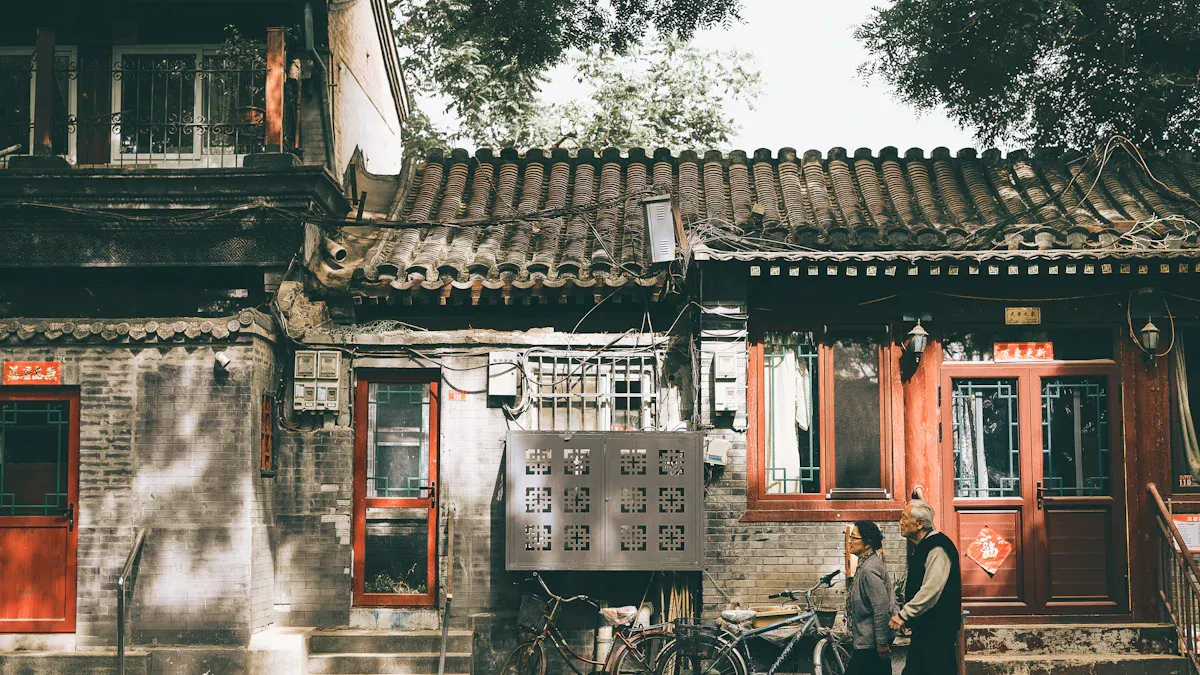
When you walk in a Beijing hutong, you enter the heart of Beijing. These small alleys have many stories from long ago. In 1949, there were about 3,000 hutongs. Now, there are only about 1,100 because the city has changed. Less than 10 percent of people in Beijing live in these old neighborhoods. But the spirit of Beijing is still in every brick and siheyuan. Many people think Beijing’s hutongs are special and should be saved for the future.
Key Takeaways
- Beijing’s hutongs are small alleys. They connect traditional courtyard homes called siheyuan. These alleys are the city’s cultural heart.
- Hutongs have a long history. Most were built during the Ming and Qing dynasties. They show the community spirit of old Beijing.
- Visiting hutongs gives you a special look at local life. You can try street food and see cultural traditions. It is a must for anyone exploring Beijing.
- To enjoy hutongs, you can walk, bike, or ride a rickshaw. This helps you find hidden gems and meet local people.
- Be sure to respect local customs and etiquette. Greet residents and ask before taking photos.
What Is a Beijing Hutong
Definition and Key Features
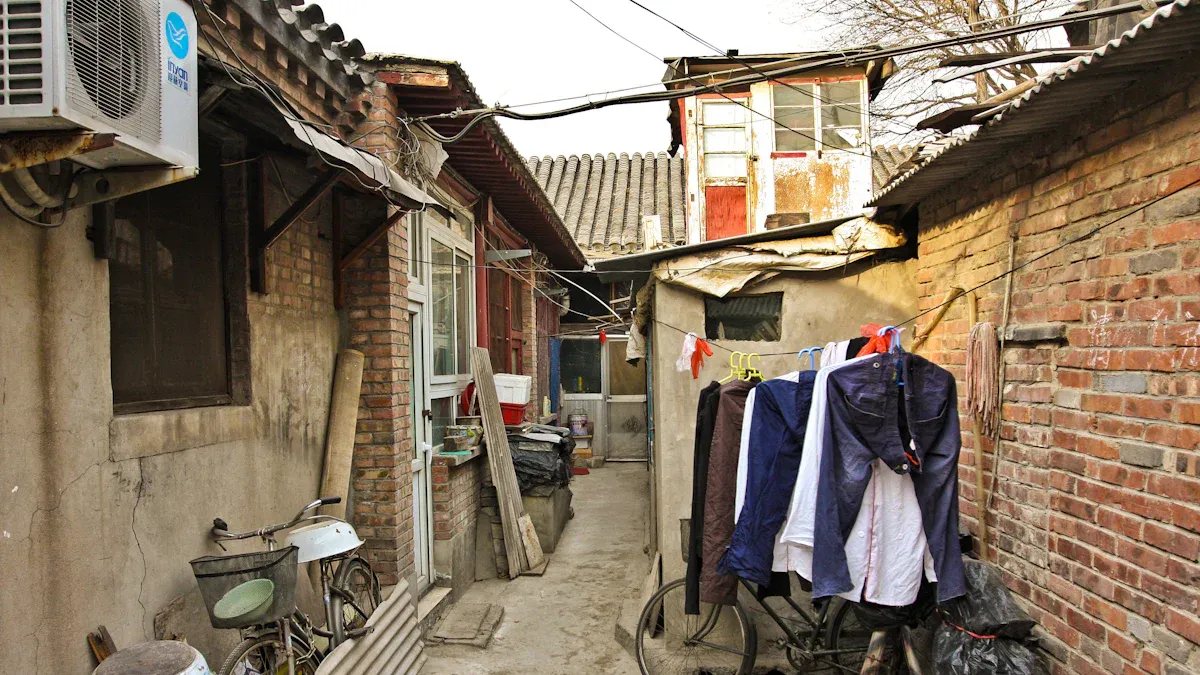
You might wonder, what is a hutong? In Beijing, a hutong is a narrow alley or lane that runs between rows of old houses. These alleys create a maze across the city. When you walk through a beijing hutong, you see grey-brick walls and small doors. Most hutongs are only wide enough for a bicycle or a rickshaw. Some are even smaller, so you can touch both sides with your hands.
Beijing hutongs have a special place in the city’s history. As Beijing grew, people built hundreds of these alleys to connect neighborhoods. By the middle of the 1900s, thousands of hutongs made up the heart of the city. These spaces became more than just streets. They turned into places where neighbors met, children played, and families shared stories. If you ask what is a hutong, you will find it is both a street and a community.
Here are some key facts about hutongs in Beijing:
- Most hutongs were built during the Ming and Qing dynasties.
- They are important for Beijing’s folk culture and city identity.
- Hutongs are known for their close-knit communities.
Siheyuan and Hutong Connection
You cannot talk about beijing hutongs without mentioning siheyuan. These are traditional courtyard homes that sit along the hutongs. Each siheyuan has four buildings around a square yard, all hidden behind tall walls. Families live together in these homes, often for many generations.
The connection between hutong and siheyuan shapes the look and feel of old Beijing. The hutong acts like a hallway, while the siheyuan is like a room off that hallway. Together, they form the unique urban fabric of Beijing. When you explore beijing’s hutongs, you see how these alleys and courtyards create a living history. If you want to understand what is a hutong, you need to see how life flows from the street into the home.
| Architectural Style | Description |
|---|---|
| Siheyuan | Traditional courtyard houses, usually rectangular, with buildings on four sides and high walls. |
| Hutong | Narrow alleys that connect siheyuan, forming the social and cultural heart of old Beijing. |
Tip: When you visit a hutong, look for the small red doors and stone lions. These details tell stories about the families who lived there.
Hutong History and Culture
Origins and Development
When you learn about hutong history, you learn about Beijing. The word “hutong” started in the Yuan Dynasty. It comes from a Mongolian word that means “town.” As Beijing grew, the hutong layout changed too. Here are some important things that shaped these alleys:
- The Yuan Dynasty gave us the word hutong. They also made the old city’s grid pattern.
- In the Ming and Qing Dynasties, richer people lived near the center. Others lived farther away. This changed how the hutong were set up.
- In the early 1900s, wars and invasions hurt many hutongs. People split courtyard houses into small rooms. New buildings were built without much planning.
The story of hutongs shows how Beijing changed over time. You can see history in every alley.
Hutongs in Old Beijing Life
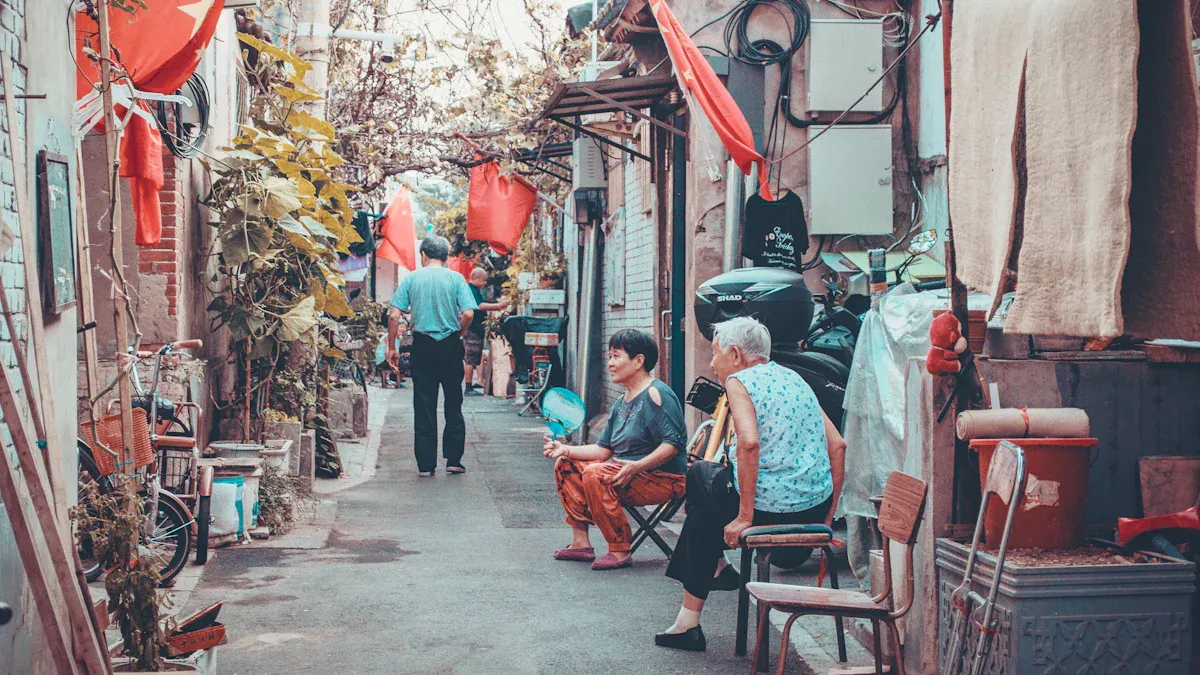
To know hutong culture, think about daily life long ago. The hutong shaped how people lived and worked. Every morning, you would hear dishes and smell breakfast. Neighbors said hello as they went to buy food. Many people did Tai Chi or Qigong in parks. Courtyard houses made it easy for families to meet. Children could play safely. The slow life and close neighbors made the city feel like a big family. The story of hutongs is really the story of daily life in Beijing.
Preservation and Modern Changes
Today, you can still walk in some hutongs, but things are different. The government and people work together to protect these old places. For example, Shijia and Sanjing Hutongs try to keep both old and new ways. Here are some ways people try to save the hutong:
| Initiative Type | Description |
|---|---|
| Collaborative Governance | Builds strong community ties for heritage preservation. |
| Community Involvement | Helps neighbors feel proud and aware of their history. |
| Livability Improvement | Tries to keep the old city’s spirit while meeting modern needs. |
But new buildings sometimes hurt hutong history. Some people say,
The house looks better after fixing, but space is not bigger. The yard is smaller and not safe. It could be dangerous in a fire or emergency. It should not be called a “courtyard” anymore because there is no yard.
It is hard to save the old courtyard houses and hutong culture. The story of hutongs keeps changing as Beijing grows.
Top Beijing Hutongs to Visit
If you want to see the real heart of Beijing, you need to explore the best hutongs to visit. These famous alleys show you the city’s past and present. Each one has its own story, special sights, and delicious street food. Let’s take a closer look at the top hutongs in beijing and what makes them so special.
Nanluoguxiang
Nanluoguxiang is one of the most popular hutong destinations in Beijing. You find it just northeast of the Forbidden City, making it easy to reach after a day at the palace. This hutong is over 740 years old and keeps its old charm, even as it welcomes millions of visitors each year.
- Nanluoguxiang attracts over 10 million visitors annually.
- You can walk through narrow alleyways and see how people live in old Beijing.
- Traditional teahouses invite you to enjoy fragrant tea and watch performances.
- The street food here is famous. Try local snacks like jianbing (Chinese crepes), tanghulu (candied fruit), and grilled lamb skewers.
- The structure of Fang from the Yuan Dynasty is well preserved.
- Many old courtyard homes now serve as boutique shops, art galleries, and cozy cafes.
- You get a mix of history, culture, art, and modern life all in one place.
When you stroll down Nanluoguxiang, you feel the lively energy. Street food vendors call out, and the smell of fresh dumplings fills the air. You see both locals and travelers enjoying the sights. This hutong gives you a true taste of Beijing’s spirit.
Shichahai Area
The Shichahai area sits north of the Forbidden City, right in the core of Beijing. This spot is famous for its beautiful lakes and old hutongs. When you visit, you see how close daily life is to the grand palaces.
- You find traditional hutong culture and old-style buildings here.
- The area has scenic lake views, perfect for boat rides or just relaxing by the water.
- Prince Gong’s Mansion stands as a highlight, showing off Qing Dynasty history.
- You can enjoy vibrant nightlife, with bars and restaurants lining the lakes.
- In winter, people skate on the frozen lakes.
- Street food is everywhere. Try fried dough twists, spicy noodles, and sweet rice cakes.
- The area offers rickshaw tours, letting you experience the hutong in a fun way.
A great way to explore Shichahai is to start at the metro station, walk down Yandai Xiejie (Pipe Street), cross Yinding Bridge, and visit Prince Gong’s Mansion. You can then stroll along Back Lake, see Song Qingling’s Former Residence, and end at the Flower Market. Along the way, you’ll find street food stands and small shops selling local treats.
The Shichahai hutongs show you the contrast between the grand Forbidden City and the simple, lively life of Beijing’s people. You get to experience both history and modern fun in one visit.
Bell & Drum Tower Hutongs
The Bell and Drum Towers stand tall in the north of Beijing, not far from the Forbidden City. These towers once helped everyone in the city keep track of time. The hutongs around them are some of the top hutongs in beijing for anyone who wants to see real local life.
- The grey-tiled rooftops and fancy doorways make these hutongs stand out.
- The design here follows old ideas about harmony and Feng Shui.
- The Bell and Drum Towers marked the start and end of each day for centuries.
- The nearby hutongs show how people lived together, sharing courtyards and stories.
- You can spot street food carts selling steamed buns, fried pancakes, and spicy tofu.
Here’s a quick look at some of the most famous hutongs near the Bell & Drum Tower:
| Hutong Name | Unique Features |
|---|---|
| Nanluoguxiang | One of the oldest blocks in Beijing, built over 740 years ago, showcasing traditional residential architecture from the Yuan dynasty. |
| Yandaixie Street | The oldest slanting street in Beijing, known for its cultural atmosphere and historical significance related to smoking culture. |
| Mao’er Hutong | Features historical gardens and residences of the last Empress of the Qing Dynasty, reflecting deep cultural heritage. |
Walking through hutongs in this area, you see how the city’s design brings people together. You hear the sound of drums, smell street food, and watch neighbors chatting by their doors. This is where you feel the true rhythm of Beijing.
Other Notable Hutongs
Beijing’s hutongs offer more than just the famous names. If you want a deeper experience, try a hutong tour that takes you off the main path. Some lesser-known hutongs give you a real taste of local life and street food.
- The Old Beijing Hutong Tour lets you try Beijing Wraps, Hutong style BBQ, and Mongolian hot pot.
- You visit family-run places, learning about recipes passed down for generations.
- These tours last about three hours and show you hidden corners of the city.
- You can watch how dumplings are made or taste noodles cooked right on the street.
If you love street food, these hidden hutongs are a dream. You get to meet local families, try new dishes, and see how people live every day. This is the best way to experience the real flavor of Beijing hutong life.
Tip: Always bring your appetite when you explore beijing hutongs. The street food is endless, and every alley has something new to try!
When you visit the best hutongs to visit, you step into the living history of Beijing. Each hutong has its own flavor, from the busy crowds of Nanluoguxiang to the peaceful lakes of Shichahai. Whether you join a hutong tour or wander on your own, you’ll find street food, stories, and surprises around every corner.
Exploring Beijing’s Hutongs
Walking Tours
If you want a real experience, try walking in a beijing hutong. Walking helps you notice small things in old beijing buildings. You can see neighbors talking and kids playing. Many people pick private hutong tours, but you can walk alone too. Here are some top walking paths:
| Route | Length | Highlights |
|---|---|---|
| Bell and Drum Towers – Yandai Xiejie – Shicha Hai Hutong | 1.5 km | 15 hutongs, palaces, gardens, local snacks |
| South Luogu Lane – Ju’er Hutong – Bell and Drum Towers – Yandai Xiejie – Shicha Hai – Mao’er Hutong | 3 km | Hutongs, courtyard houses, bar street, shopping, delicacies |
| Dongjiaomin Xiang – Dashilanr – Zhushi Kou – Liulichang – The Eight Hutongs | 4 km | Western-style buildings, calligraphy, antiques, shopping |
| Lama Temple – Fangjia Hutong – Guozijian Street – Wudaoying Hutong | 2 km | Tibetan Buddhist temple, quiet hutong life, history, culture |
Tip: Try a hutong breakfast tour. You can eat local snacks and see how people start their day.
Cycling and Rickshaw Rides
Cycling lets you go farther and find new places. You can ride through small lanes and see hidden spots. Rickshaw rides give you a different view. The drivers know the area well. They tell stories and stop at local homes. This way, you feel the culture and learn how locals visit hutongs.
- Rickshaw rides are relaxing and show you nice sights.
- You meet families and look inside their homes.
- Both ways make it easy to explore beijing’s hutongs.
Guided vs. Self-Guided
You may ask how to visit hutongs for the best time. Guided tours show many places and plan everything for you. You meet other travelers and learn from guides. Self-guided tours let you choose your own path. You can stay longer where you like. Both ways let you eat real food, play games near the Drum & Bell Towers, and find hidden cafes.
| Type of Tour | Advantages | Disadvantages |
|---|---|---|
| Guided Tours | See more places, easy planning, meet people | Less freedom |
| Self-Guided Tours | Flexible time, deeper exploring, more food choices | More planning |
No matter how you visit, you will find your favorite way to see and enjoy beijing’s hutongs.
Practical Tips for Hutong Visits
Best Time to Go
You want your hutong adventure to feel comfortable and lively. Most people choose spring or autumn for a hutong tour. These seasons bring mild weather and beautiful views. You see blooming flowers in spring and colorful leaves in autumn. Here’s why these times work best:
- About 60% of travelers pick spring or autumn for their hutong trip.
- Spring (April to June) and autumn (September to October) offer temperatures from 15°C to 25°C.
- Fewer crowds let you enjoy the real beijing hutong culture.
What to Bring and Wear
Walking through a beijing hutong means you need to dress smart. The stone roads can feel uneven. You want to stay comfortable and ready for surprises.
- Wear comfortable shoes for walking.
- Bring a light jacket in spring or autumn.
- Carry a small gift if you plan to chat with locals.
- Pack a water bottle and some snacks for your hutong tour.
Tip: A camera helps you capture the unique hutong sights, but always ask before taking photos.
Etiquette and Local Customs
Hutong culture values respect and kindness. When you visit, you can make a good impression by following these simple customs:
- Greet residents with “”Hello”” (Nín hǎo).
- Ask “”May I take a photo?”” (Kěyǐ pāizhào ma?) before taking photos.
- Offer a small gift if an elder shares a story.
- Avoid loud noise early in the morning or late at night.
- Keep a respectful distance and respect personal space.
Safety and Accessibility
You want your hutong experience to be safe and easy. Many hutongs in beijing now have ramps and flat paths, especially in places like Shichahai. This helps everyone, including travelers with mobility needs, enjoy the culture.
| Safety Precaution | Description |
|---|---|
| Avoid late-night walks | Stay safe by not exploring hutongs late at night. |
| Travel in groups | Go with friends or family for a better experience. |
| Respect local residents | Always show politeness and avoid disturbing daily life. |
Wear good shoes, stay with your group, and enjoy every moment. You will find that every hutong visit brings you closer to the heart of beijing culture.
When you walk in Beijing’s hutongs, you see the city’s past come alive. You can try local snacks and watch people play mahjong. You also see siheyuan homes that show what makes Beijing special. If you want to know the real Beijing, you should visit a hutong. Ride a bike in Shichahai or talk with people who live there for a better experience. You can also join a guided tour or read articles to learn more about hutongs. Each alley has its own story for you to find.
FAQ
What is the best way to explore Beijing’s hutongs?
You can walk, ride a bike, or take a rickshaw. Walking lets you see details up close. Biking covers more ground. Rickshaw rides offer stories from local drivers. Pick what feels fun for you!
Can you visit hutongs on your own?
Yes, you can! Many hutongs are open to the public. You can wander, take photos, and try street food. Guided tours help if you want more history or local stories.
Are hutongs safe for tourists?
Hutongs are usually safe during the day. You should stay alert, especially at night. Go with friends if you can. Locals are friendly and helpful if you need directions.
What should you not miss in a hutong?
Don’t miss the street food! Try jianbing, tanghulu, and dumplings. Look for red doors, stone lions, and old siheyuan courtyards. You might even spot a game of mahjong in progress.
Do people still live in hutongs?
Yes, many families still live in hutongs. Some homes have modern updates, but you can see daily life and traditions. Please respect their privacy and always ask before taking photos.