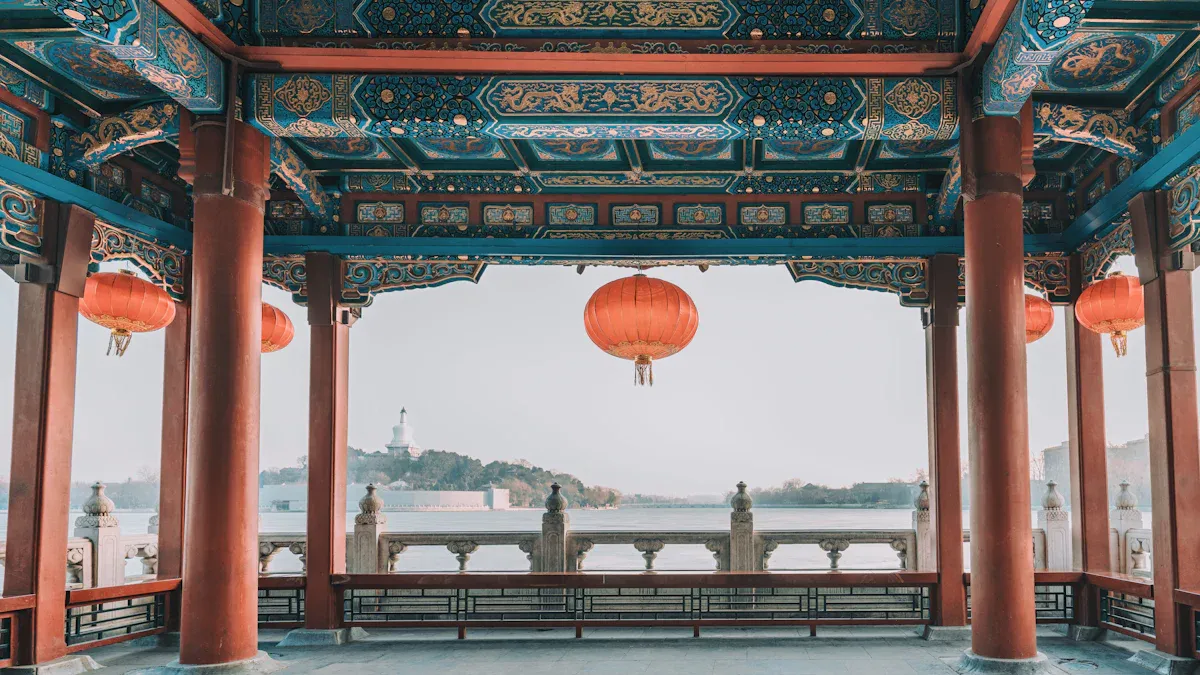
When you visit Beijing, you can’t miss Beihai Park. This place has stood for over a thousand years and once served as a royal garden for emperors from the Liao, Jin, Yuan, Ming, and Qing dynasties. You see ancient palaces, peaceful lakes, and lush gardens all in one spot. Locals love to relax here, and tourists come to enjoy the view right next to the Forbidden City. The park blends history, culture, and natural beauty in a way you won’t find anywhere else.
Key Takeaways
- Beihai Park is a famous place in Beijing. It is great for seeing old gardens, lakes, and temples.
- Go early or late in the day for quiet time. You will get the best light for photos.
- Take part in events like the Spring Festival Lion Dance. You can learn about Chinese traditions.
- Ride a boat on Beihai Lake for nice views. You can see the White Dagoba and the area around it.
- Wear comfy shoes and bring snacks. You can walk and relax all day in the park.
Beihai Park Overview
Location & Access
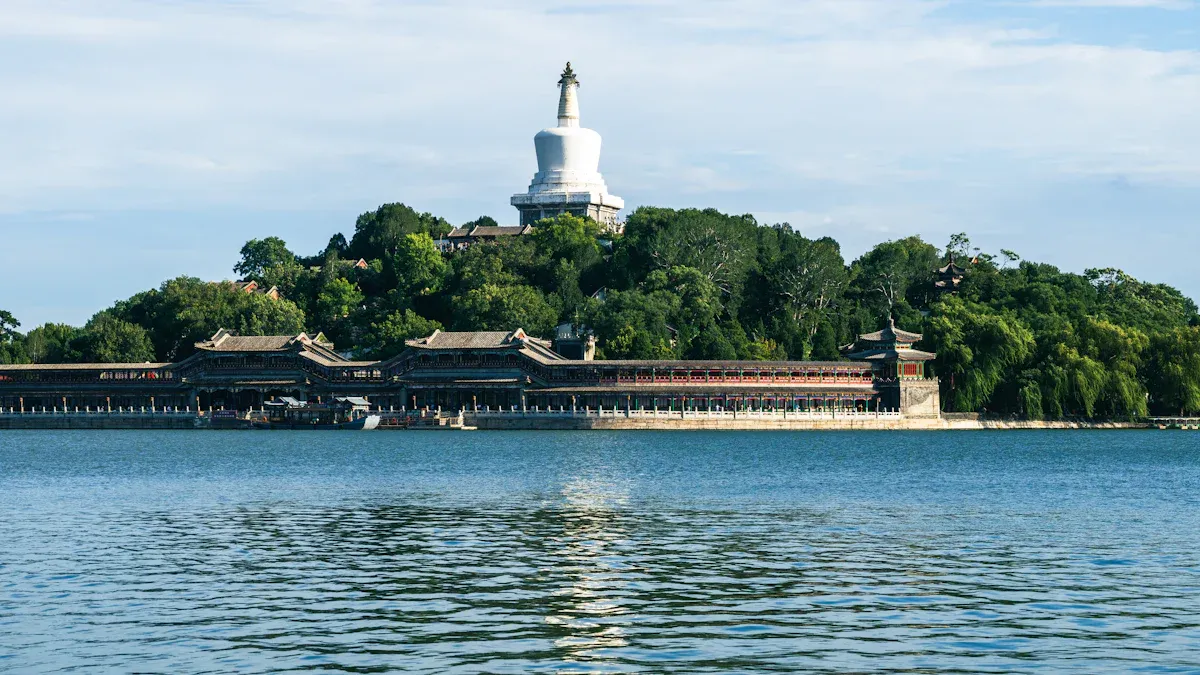
Beihai Park is right next to the Forbidden City. This makes it easy to visit when you are in Beijing. The park is very big, covering 69.1 hectares. There is a lot of room for you to walk around and explore. You can get to Beihai Park from downtown Beijing in different ways:
- Subway: You can take Line 4 to Beihai Park. It links to many places in the city and costs between ¥3-9.
- Buses: Many bus lines stop close to the park.
- Taxis: Taxis take you straight there, but they cost more than buses or the subway.
You do not need to worry about getting lost. There are signs and maps to help you find your way.
Park Layout
Beihai Park is special because of how it is set up. The park has different layers, and each one is interesting:
| Layer | Description |
|---|---|
| Core layer | The lake and central island |
| Surrounding layer | Lakeside scenery and imperial garden spaces |
| Extended layer | Temples and functional architectural zones |
You can start your visit at the lake. Then you can walk through the gardens. You can end your trip at the temples. Every part gives you something new to see and do.
Significance
Beihai Park is one of the oldest imperial gardens in China. It is also one of the best kept. It was first made for emperors to enjoy almost 1,000 years ago. Later, it became a place for emperors to relax and have fun, especially during the Yuan and Qing Dynasties. You can see famous places like the White Dagoba and Five-Dragon Pavilions. These show the art and beliefs of that time. In 1925, Beihai Park opened to everyone. Now, it is like a museum you can walk through. You can enjoy its history and beauty with other people.
History & Heritage
Imperial Origins
When you enter Beihai Park, you walk where emperors walked. The park started as a special place for the royal family almost 1,000 years ago. Early rulers wanted a quiet spot away from the busy city. They made lakes, gardens, and pavilions for relaxing and having fun. You can picture emperors feeling the cool wind by the water or watching shows outside. The park’s design shows that ancient Chinese people cared about balance between people and nature.
Dynastic Changes
Many dynasties changed the park over time. Each dynasty added new things or changed how the park looked. You can notice these changes in the buildings and decorations. Here is a simple chart to show how the park grew:
| Architectural Feature | Dynasty | Cultural Influence |
|---|---|---|
| Round City | Various | Evolution of layout over time |
| White Dagoba | Qing | Influence of Tibetan Buddhism |
The Round City shows how the park’s layout changed. The White Dagoba was built in the Qing Dynasty and shows Tibetan Buddhism’s influence. When you walk in the park, you see history from many times. Each part tells its own story.
Cultural Value
Beihai Park is more than old buildings. It is a place where traditions are still alive. Every year, you can join special events that celebrate Chinese culture. Here are some examples:
| Event | Description |
|---|---|
| Spring Festival Lion Dance | A fun lion dance that shows off the national intangible cultural heritage of the Bai Zhi Fang Tai Lion Dance. |
| New Year’s Calligraphy | Calligraphers write “Fu” at Chanfu Temple and give them to visitors for free. |
| Lantern Festival Riddles | A riddle game at Yong’an Temple where you can win small prizes if you answer right. |
Tip: If you come during a festival, you might see a lion dance or get a lucky “Fu” character. These traditions make your visit even more fun.
Main Sights
White Dagoba
The White Dagoba is easy to spot in Beihai Park. It is tall and white and stands on Qionghua Island. The White Dagoba is 35.9 meters high. It mixes Tibetan and Han cultures. It stands for peace and people coming together. The Qing Dynasty built it in 1651. This was where Kublai Khan met Marco Polo. The White Dagoba has survived many earthquakes and repairs. This shows it is strong and important. A Nepalese architect named Anigo designed it. The base has three layers. The body looks like an upside-down ice cream cone. There is a bronze canopy on top. Small Buddhist characters and statues cover the outside. The White Dagoba is more than a religious place. It also shows the Qing Dynasty’s links with Tibet and Mongolia. When you stand near it, you feel its history and calm.
Tip: Go see the White Dagoba early in the morning. The sun makes it shine, and you can take nice photos without crowds.
Nine-Dragon Wall
The Nine-Dragon Wall is a famous piece of art and history. You will find it inside Beihai Park. It catches your eye right away. This wall is the only double-sided glazed wall in China. It shows the power of the emperor and the skill of old builders. The wall is 45.5 meters long, 8 meters high, and 2 meters thick. It was built in 1392 for the Dai Prince’s mansion. The wall uses 426 glazed pieces. The colors are still bright after many years. Nine dragons twist and move across the wall. Each dragon tells a story with its pose. The golden dragon in the middle shines the most. The roof eaves look like wooden brackets. This shows the careful work of Ming builders.
| Feature | Description |
|---|---|
| Historical Background | Built in 1392 for the Dai Prince’s mansion, symbolizing imperial authority. |
| Artistic Features | Composed of 426 glazed elements, measuring 45.5m long, 8m high, and 2m thick. |
| Glazing Craftsmanship | High-temperature glazed tiles that retain vivid colors, especially the central golden dragon. |
| Dragon Symbolism | Nine dragons symbolize imperial supremacy, with each dragon’s posture telling a visual story. |
| Structural Design | Features like roof eaves carved to resemble wooden brackets highlight Ming construction rigor. |
Note: Look closely at the dragons’ scales and faces. You will see tiny details that show the artists’ skill.
Qionghua Island
Qionghua Island is in the center of Beihai Park. People also call it Jade Flowery Islet. The White Dagoba stands here and is a sign of unity. Long ago, the Palace in the Moon was on this island. Kublai Khan met Marco Polo here. This makes the island full of stories. You can walk around the island and enjoy the gardens. You can see the lake from every side.
| Feature | Description |
|---|---|
| Name | Qionghua Island (Jade Flowery Islet) |
| Landmark | White Dagoba, built in 1651, symbolizes the unification of various Chinese ethnic groups. |
| Historical Context | Former site of the Palace in the Moon where Kublai Khan received Marco Polo. |
Tip: Take a boat ride around Qionghua Island. You will get the best views of the White Dagoba and the park.
Gardens & Pavilions
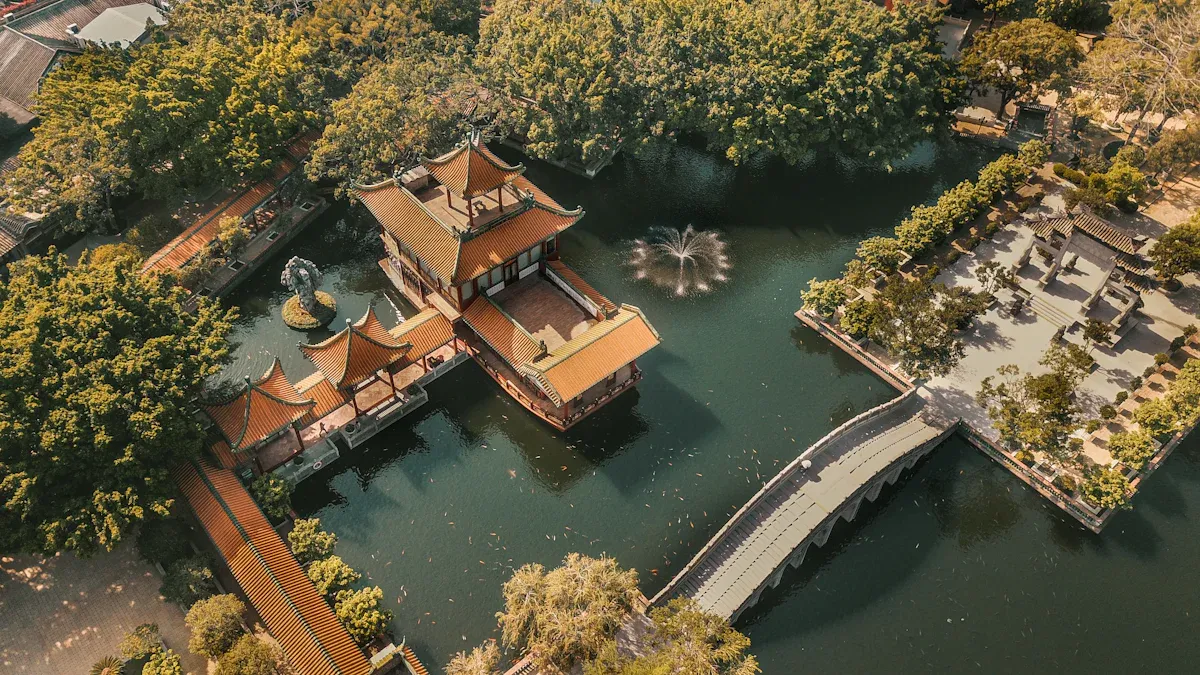
Beihai Park has many pretty gardens and pavilions. The Temple of Everlasting Peace is special for its Buddhist style. The gardens have quiet paths, flowers, and shady places to rest. Pavilions give you spots to sit and look at the view. Each garden and pavilion has its own story and look. You can walk from one to another and feel calm.
| Garden/Pavilion Name | Design Features | Historical Importance |
|---|---|---|
| Temple of Everlasting Peace | Buddhist architectural style | Significant for its cultural heritage |
- You can relax in the gardens.
- You can take photos in the pavilions.
- You can learn about history from the signs.
Temples
Temples in Beihai Park make it feel peaceful. Lianxing Temple, also called Fahai Temple, is a Buddhist temple. It is known for the White Dagoba. The temple shows Qing Dynasty pagoda design. It draws visitors with its history and beauty. The White Dagoba was built during Emperor Qianlong’s rule. It shows the wealth of Yangzhou and the salt trade. The temple is a cultural landmark. It connects you to the region’s past.
Note: You can light incense at the temple and make a wish. Many people believe this brings good luck.
You will find history, art, and culture everywhere in Beihai Park. Each main sight tells a story and gives you something new.
Things To Do In Beihai Park
Boating
You can start your trip with a boat ride on the lake. The water is calm and peaceful. As you move, the view changes around you. You can see the White Dagoba, gardens, and pavilions from the boat. Boating helps you relax and escape the busy city. You can pick a paddle boat or join a tour with snacks and drinks. Here is what you get with the boating experience:
| Boating Experience | Duration | Additional Features |
|---|---|---|
| One hour boating on Beihai Lake | 1 hour | Hotel pickup and drop-off, Famous Beijing Snack Food, Mineral water, Mongolian Hot Pot Dinner with sodas/beer, Entrance fee, Private guide |
The lake opens early in the morning. You can go boating from sunrise until sunset.
| Opening Hours | Admission Ends |
|---|---|
| 6:30 AM – 8:00 PM | 7:30 PM |
Tip: Try boating in the late afternoon. The sun makes the water shine, and you can take great photos.
Walking Paths
Walking in Beihai Park is very relaxing. You can follow winding paths and see famous places like the Nine Dragon Screen and Jade Island. The gardens have many Chinese plants and flowers. You might see koi fish swimming or hear birds singing in the trees. Some paths lead to pavilions by the lake. You can sit there and enjoy the view. If you want to know more, listen to stories about Beijing’s past as you walk.
- Visit famous places like the Nine Dragon Screen and Jade Island.
- Enjoy pretty views from Jingshan’s hilltop and lakeside pavilions.
- Learn about Beijing’s history from interesting stories.
Note: Wear comfortable shoes. The park is large, and you will want to see everything.
Photography Spots
You can take great photos in Beihai Park. The scenery looks different in every season, so each visit is special. Some places are perfect for pictures because they are beautiful and historic. Try taking photos at sunrise or sunset for the best light. Here are the best spots for photography:
- Jade Islet Isle
- Jade Jar of Dushan
- Painted Gallery
- Nine Dragon Screen
- Liulige Tower
- Yong’an Temple
- Five-Dragon Pavilion
Tip: Look for reflections in the lake. The water makes the buildings and trees look even prettier.
Events & Festivals
You can join fun events and festivals in Beihai Park. The Chrysanthemum Cultural Festival is very popular. You will see bright flowers and bonsai displays. Chrysanthemums mean long life and honor in China. Cultural shows teach you about the flower’s place in art and books. You can join workshops and learn how to care for plants. These events help you learn about Chinese traditions.
- The Chrysanthemum Cultural Festival has pretty flower displays and bonsai.
- Cultural shows explain why chrysanthemums are important in history.
- Workshops and talks let you try floriculture yourself.
Tip: Visit during festival time. The park is full of color and excitement.
You can also enjoy live music, calligraphy shows, and martial arts performances. These activities show China’s rich culture. Whether you want to relax, explore, or learn new things, Beihai Park has something for everyone.
Visitor Info
Hours & Tickets
You can visit Beihai Park almost any day of the year. The park opens early, so you have plenty of time to explore. Here’s a quick look at the opening hours and ticket prices:
| Category | April to October | November to March |
|---|---|---|
| Adults | 10 RMB | 5 RMB |
| Students/Seniors (Half Price) | 5 RMB | 2.5 RMB |
⏰ Open time: 6:30 AM to 8:30 PM
Tip: Bring your student ID or senior card to get a discount on your ticket!
Best Times
You might wonder when to visit Beihai Park for the best experience. Summer is a great choice, especially from late June to mid-August. The park holds the Lotus Festival during this time. You’ll see beautiful blooming lotuses and join fun activities. Spring is also lovely. In April and May, the weather feels mild and the crowds are smaller. You can enjoy peaceful walks and take in the fresh air.
Note: If you like flowers and lively events, summer is perfect. For quiet moments and cool breezes, try spring.
Accessibility
Beihai Park welcomes everyone. You’ll find many features that make your visit easy if you have mobility needs:
- Accessible paths and restrooms throughout the park
- Wheelchair rentals at the South Gate Visitor Center and North Gate Service Station
- Ramps and exits at all five gates
- Wide, smooth, and mostly flat lakeside paths for easy wheelchair use
Tip: If you need help, just ask at the entrance. The staff are friendly and ready to assist you.
Tips For Visiting
Insider Tips
You want your trip to Beihai Park to be smooth and fun. Try to visit early in the morning or late in the afternoon. The park feels peaceful, and you can avoid big crowds. If you love taking photos, sunrise and sunset give you the best light. You can rent a boat on the lake for a new view of the White Dagoba. Many locals enjoy tai chi or dancing in the park. You can join them or just watch. If you get hungry, small snack stalls sell local treats. You might want to bring some cash because not every place takes cards. Signs in the park have English, but a translation app can help if you want to read more details.
Tip: The park gets busy on weekends and holidays. Try to visit on a weekday for a quieter experience.
What To Bring
You want to feel comfortable during your visit. Here are some things you should pack:
- Sunscreen and a hat for sun protection, especially in summer.
- A swimsuit if you plan to swim.
- A thin coat or jacket if you visit in November. The temperature can change a lot from day to night.
- Comfortable walking shoes for exploring the gardens and paths.
- A reusable water bottle to stay hydrated.
- Your camera or phone for photos.
- Some snacks if you like to picnic.
Note: The sun can be strong, so protect your skin and eyes.
Nearby Attractions
You can find many interesting places close to Beihai Park. Shichahai offers pretty lakes and old hutongs. The Bell and Drum Tower stands tall and lets you see the city from above. Nanluoguxiang has narrow alleys full of shops and snacks. The Ancient Architecture Museum and Ancient Observatory show you more about Beijing’s past. If you love culture, visit the Guozijian, Lao She Teahouse, or Liulichang Cultural Street. The Beijing Capital Museum is also nearby. It has amazing ancient artifacts and beautiful displays. You can spend a whole day exploring these spots and learn a lot about Beijing’s history.
Tip: Plan your route so you can see more than one place in a day!
Beihai Park is special because it has a long history. The gardens are quiet and pretty. You can see beautiful views everywhere you go.
- Walk by the White Dagoba and look at the scenery.
- Take a boat ride or sit in a peaceful spot to rest.
- People like how calm and clean the park feels.
- You can try fun things like old-style classes or ice skating when it is cold.
Make sure you see both the famous places and secret areas. Visit soon to find out why so many people think Beihai Park is one of the best places in Beijing!
FAQ
How long does it take to visit Beihai Park?
You can see the main sights in about 2–3 hours. If you want to relax, take photos, or join activities, plan for half a day.
Can you bring food and drinks into Beihai Park?
Yes, you can bring snacks and drinks. Many people enjoy picnics by the lake. Please clean up after yourself to keep the park beautiful.
Is Beihai Park good for kids?
Absolutely! Kids love the open spaces, boat rides, and gardens. You will find plenty of safe paths for walking and spots for family photos.
Do you need to book tickets in advance?
You do not need to book ahead for regular entry. You can buy tickets at the gate. For special events or festivals, check the park’s website for updates.
What is the best way to get to Beihai Park?
You can take the subway (Line 4) or a bus. Taxis work too. The park sits near the Forbidden City, so it is easy to find.