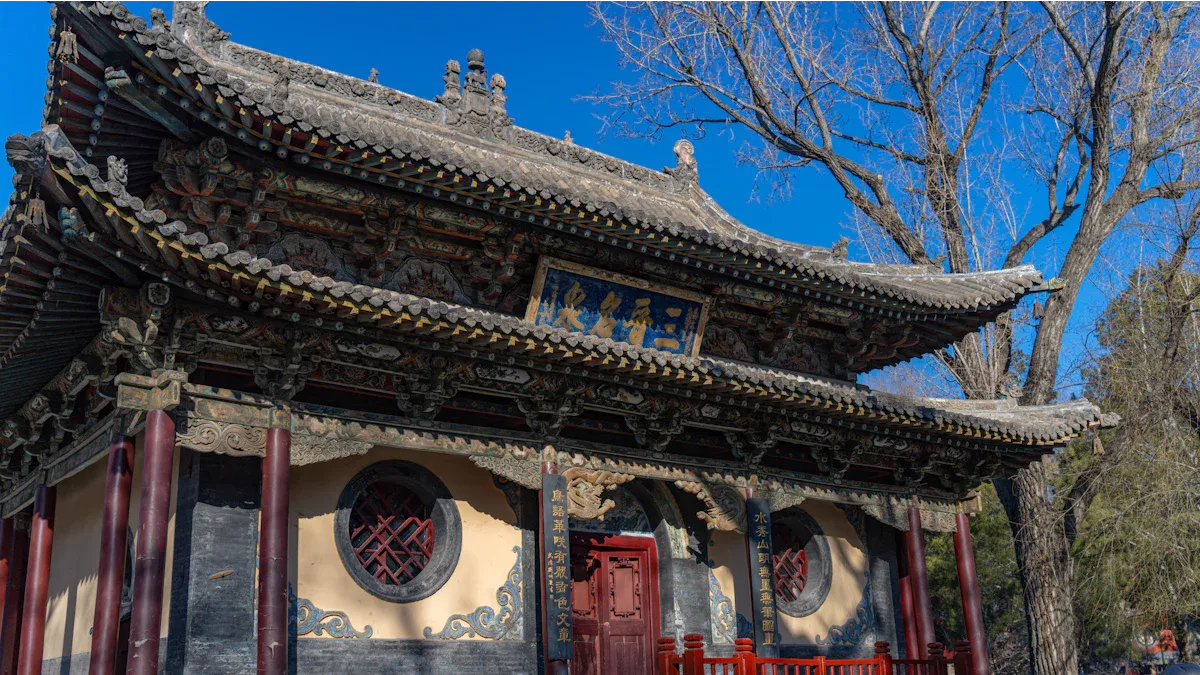
Jiming Temple is a very old Buddhist temple in Nanjing, China. It is one of the oldest temples in the city. The temple was built in 527 during the Liang Dynasty. Visitors find it on a hilltop. There are steep stairs and pretty bushes. There is also a bell tower with seven stories. The temple lets people see downtown Nanjing and Xuanwu Lake. Jiming Temple is known as a Buddhist center from the Southern period.
- Hilltop spot with nice views
- Bell tower with seven stories
- Steep stairs and pretty bushes
Key Takeaways
- Jiming Temple is very old. It was built in 527 AD. It shows a lot of history and culture.
- Visitors can see amazing views of Nanjing. They can also see Xuanwu Lake from the bell tower. The bell tower has seven stories. It is a great place for sightseeing.
- The temple has pretty cherry blossoms in March. Early morning is the best time to visit. There are fewer people then.
- People should act respectfully. Visitors need to wear modest clothes. They must follow temple rules. This keeps the place peaceful.
- Jiming Temple has Buddhist festivals every year. The biggest festival is during Lunar New Year. These events bring the community together. People celebrate spiritually.
History of Jiming Temple in Nanjing
Origins and Liang Dynasty
Jiming Temple is one of the oldest Buddhist temples in Nanjing. It was built in 527 during the Liang Dynasty. Emperor Wu of Liang wanted Buddhism to grow. He ordered many temples to be built, including Jiming Temple. The temple was important in Jiankang, which was the capital city. At that time, Jiankang had more than 500 temples.
When Bodhidharma came to China, Emperor Liang Wu Di let him stay at Jiming Temple. The temple was called Tongtai Temple then. The emperor asked Bodhidharma if building temples and copying sutras brought merit. Bodhidharma said, “There is no merit.” This story shows the emperor cared about Buddhism and built big temples during the Liang Dynasty.
Jiming Temple is called the ‘First Temple of the Southern Dynasties.’ This name shows its history and importance as a religious place. Many people see Jiming Temple as a place with deep spiritual meaning.
Myth of the Rooster Crowing
The name “Jiming Temple” comes from a special legend. Long ago, a monster lived in the lake near the temple. It scared people at night. The villagers prayed at Jiming Temple for help. Guanyin came and trapped the monster under the lake. She promised to let it go in the morning. The neighbors never said it was morning again. The monster thought it was still night and stayed trapped. The temple’s name means “rooster’s crow.” If a rooster crows near the lake, the monster will hear it. Then it will escape and cause trouble in Nanjing again.
One panel says a monster lived in the lake and scared people at night. The villagers prayed at Jiming Temple for help. Guanyin came and trapped the monster under the lake. She said she would let it go in the morning. The neighbors never said it was morning again. The monster thinks morning has not come yet and waits. Jiming means “rooster’s crow.” If a rooster crows near the lake, the monster will hear it and escape. It will scare Nanjing again.
Temple’s Evolution
Jiming Temple has changed many times over the years. The first temple was built about 1450 years ago. Most buildings now are new and were built in the 1980s. A fire in 1973 destroyed many old parts. Today, the temple has traditional Chinese style, pretty bushes, and a seven-story bell tower. It is also a tourist spot. People can see Nanjing and Xuanwu Lake from the temple.
The temple has faced big events:
| Event | Impact |
|---|---|
| Taiping occupation (1853-1864) | Temple was destroyed during this time |
| Liang Dynasty (527 AD) | Emperor Wu built the temple and promoted Buddhism |
| Jiankang as capital | More than 500 temples showed religion was important |
Jiming Temple is a symbol of strength and faith. Its history shows how Nanjing changed and how Buddhism stayed strong.
Jiming Temple Architecture
Seven-Story Pagoda
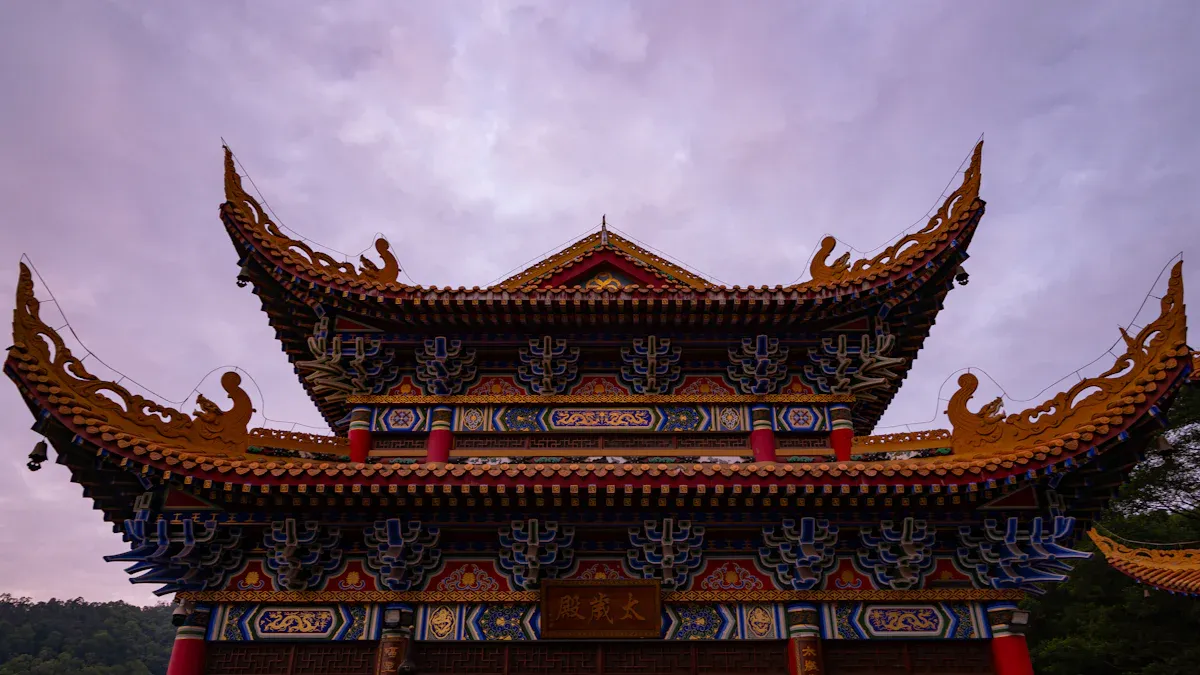
The seven-story pagoda is easy to spot at Jiming Temple. Visitors see its wooden tower above the trees. The pagoda works as a bell tower and gives views of Nanjing. Each floor has carvings and Buddhist signs. The Yaoshifo Pagoda has eight sides and honors the Medicine Buddha. Inside, there are hundreds of small Buddha statues. The pagoda stands for healing and kindness in Buddhist belief.
| Architectural Element | Description | Symbolism |
|---|---|---|
| Seven-Story Pagoda | Wooden tower with seven floors, used as a bell tower. | Shows spiritual growth and Buddhist ideas. |
| Yaoshifo Pagoda | Eight-sided pagoda with many Buddha statues. | Stands for healing and kindness. |
| Huomeng Tower | Highest spot, named after a poem, gives wide views. | Shows enlightenment and nature’s beauty. |
Layout and Design
Jiming Temple uses old Chinese Buddhist building styles. The layout has a main path from the entrance to the main halls. The temple fits with nature and feels peaceful. Important buildings include Guanyin Hall and the Hall of Mahavira. The halls have detailed woodwork and Buddhist signs. There are quiet places for meditation and worship.
| Feature | Description |
|---|---|
| Central-axis design | The layout uses a main path, like old Chinese Buddhist buildings. |
| Integration with nature | The temple blends with nature around it. |
| Key structures | Has important halls and pagodas for religious use. |
| Symbolic iconography | Has detailed woodwork and Buddhist signs. |
| Spaces for meditation | Quiet spots for meditation and worship. |
Sakura Blossoms and Lake Views
Sakura blossoms bloom outside the red walls each March. The cherry trees make a great spot for photos. Early morning, about 8 AM, is the best time to see the flowers without crowds. Xuanwu Lake is next to the temple and gives a calm view. The lake makes the visit better and shows how the temple and nature fit together.
- Cherry blossoms bloom outside the temple’s red walls in March.
- Best time to visit is 8 AM to avoid crowds.
- Xuanwu Lake gives a calm view that matches the temple’s style.
Sakura blossoms and lake views make Jiming Temple special for both spiritual practice and sightseeing.
Cultural Significance
Buddhist Practices
People can watch Buddhist practices at Jiming Temple every day. Monks and visitors light incense in front of the main halls. They bow and pray for peace and happiness. The temple has special rooms for worship, like Guanyin Hall and Medicine Buddha Pagoda. These places help people follow Buddhist ways. Many people come to burn incense and think quietly. The temple helps people with their spiritual life in Nanjing.
- The temple is one of the oldest in Nanjing.
- It has places for worship and meditation.
- People burn incense as part of their daily practice.
Festivals and Events
Jiming Temple holds big Buddhist ceremonies every year. The most famous event is at Lunar New Year. At this time, people come together for old rituals. They burn incense in all four directions. This event connects the temple to the city’s spiritual life. The temple also has smaller events for Buddhist holidays. These activities help people meet and keep traditions going.
Many families come during festivals to pray for luck and health. The temple gets crowded with people who want blessings for the new year.
Community Role
Jiming Temple helps shape Nanjing’s culture. The temple is a good example of old Chinese buildings. Its red walls and pagodas show the city’s past. Many people think the temple stands for faith and strength. The temple also helps the community by giving a quiet place to relax. People from Nanjing and tourists visit to learn about Buddhism and enjoy the peaceful area.
- The temple shows Nanjing’s city identity.
- It brings people together for spiritual and cultural events.
- The temple makes the city’s history richer.
Visiting Jiming Temple
Location and Access
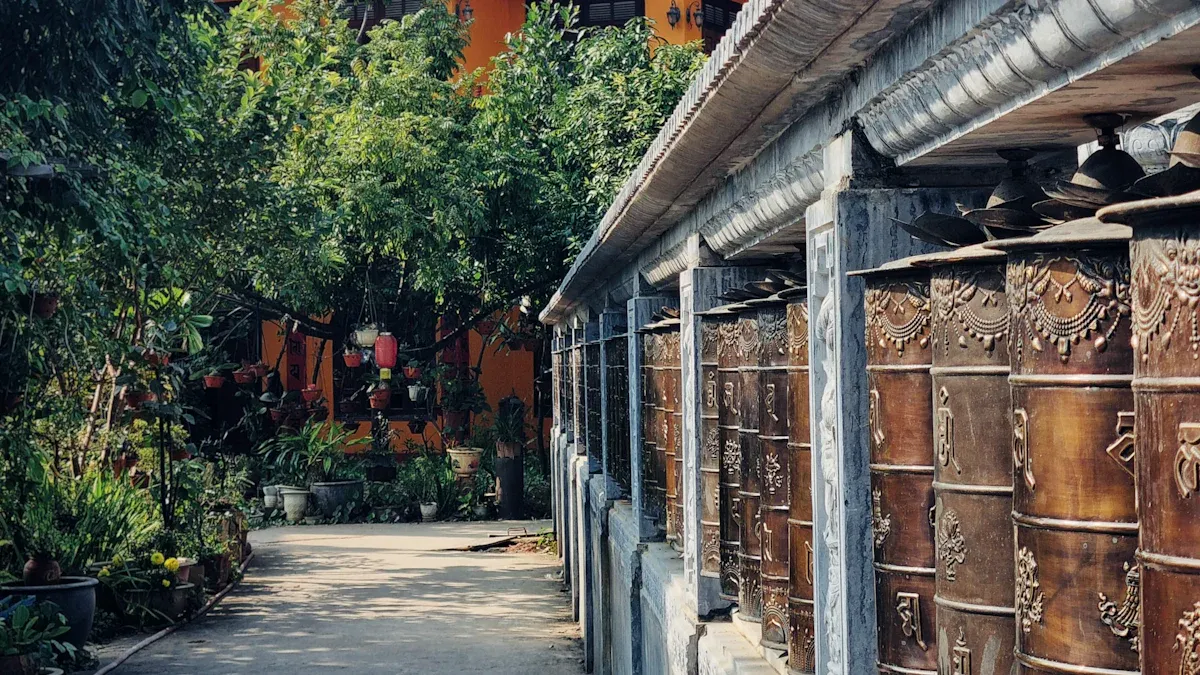
Jiming Temple is in Qinhuai District, Nanjing, Jiangsu, China. Most people get there by bus or metro. The stops are close to the entrance. The temple sits on a hill. Visitors need to climb stairs and walk on rough paths. People who have trouble walking may find it hard.
| Location | Transportation Options |
|---|---|
| Jiming Temple | Public transportation available |
| Address | Qinhuai District, Nanjing, Jiangsu, China 210000 |
The temple has steep steps and levels. It is not easy for people with disabilities. Wearing good shoes makes the climb easier.
Hours and Tickets
Jiming Temple opens early and closes at night. The ticket is cheap for most people. Tickets are sold at the entrance.
- Opening hours: 7:30 AM–5:00 PM
- Ticket price: 10 RMB per person
Many people think the ticket is worth the cost. The views and experience are great.
Best Times and Etiquette
The best time to visit is April to May or September to November. Spring has cherry blossoms. Autumn has colorful leaves. These months have nice weather and pretty sights. Early morning is good for fewer crowds and quiet.
- April to May: Cherry blossoms make the visit special.
- September to November: Leaves turn bright colors and bring many visitors.
- Early morning: Less people, better photos, and calm surroundings.
Visitors should follow rules to show respect. The rules help everyone enjoy the temple and keep it peaceful.
- Wear modest clothes. Do not wear shorts or sleeveless shirts.
- Stay quiet inside the halls.
- Do not take photos in the main halls.
- Take off hats before entering halls.
- Use the one-way path (enter south gate, exit north gate).
- Wear comfortable shoes for stairs.
Good manners and proper clothes keep the temple’s spirit safe.
Jiming Temple is a special place to visit in Nanjing. People see calm gardens, shiny roofs, and pretty pagodas. The temple gives great views of the city and Xuanwu Lake. Many visitors like the quiet feeling and big gardens. There are also special Buddhist things to see. Families can walk on stone paths and look at carvings and statues. The ticket price is not high, so most people can go. If you want to learn about history, culture, or enjoy quiet time, Jiming Temple is a good choice.
FAQ
What is the best way to reach Jiming Temple?
You can ride the metro or bus. The closest metro stop is Jiming Temple Station. Most people walk from there to the entrance. Taxis are easy to find in Nanjing.
When do cherry blossoms bloom at Jiming Temple?
Cherry blossoms bloom in March. Early morning is the best time to see them. Many people visit then to take pictures and enjoy the view.
Can visitors take photos inside the temple?
You can take photos outside the temple. Staff ask you not to take pictures inside the main halls. This rule keeps the temple calm and respects Buddhist ways.
Are there any special events at Jiming Temple?
Jiming Temple has Buddhist festivals. Lunar New Year is the biggest event. Many families come to pray for luck and health. The temple also celebrates other Buddhist holidays.