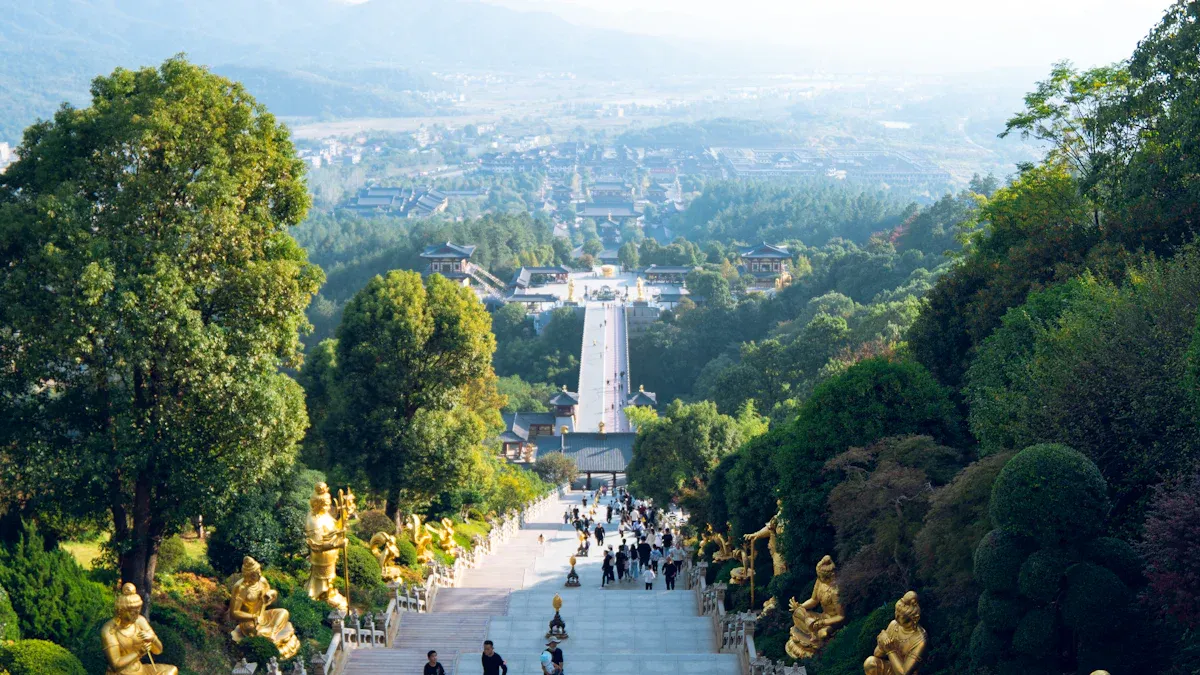
The Nanjing Massacre Memorial Hall is in Nanjing. It reminds people of the sad events of the Nanjing massacre. The Hall honors more than 300,000 victims who died from 1937 to 1938. Architect Qi Kang designed the Memorial Hall. It opened on August 15, 1985. The Hall was built over a mass grave. More than 100,000 victims were buried there. Visitors see photos, objects, and stories from survivors. They learn about the horrors of war.
- Millions of people visit the Memorial Hall every year. This shows it is an important place for remembering and learning.
- The Hall helps people in Nanjing remember what happened. It also encourages peace for the future.
Key Takeaways
- The Nanjing Massacre Memorial Hall remembers over 300,000 victims. It teaches people about the terrible things that happen in war. Millions of people visit the Hall every year. This shows it is important for remembering history and helping peace. The Hall has strong exhibits. These include stories from survivors and old objects. These help people feel closer to the past. Visitors should plan their trip before they go. They should act respectfully and wear the right clothes. This honors the victims. The Memorial Hall reminds us why peace and understanding matter today.
Nanjing Massacre History
Event Overview
The Nanjing Massacre took place during the war of resistance against Japan. In December 1937, Japanese soldiers came into Nanjing. Nanjing was the capital of China at that time. For six weeks, more than 300,000 people were killed. Most of them were civilians and unarmed soldiers. The violence included shootings, stabbings, and burning. There was also stealing and sexual violence in the city. The Japanese army used a scorched earth policy. This destroyed homes, schools, and hospitals. This event is one of the darkest times in the war of resistance against Japan.
The International Committee for the Nanjing Safety Zone made shelters for refugees. These shelters helped protect thousands of people. The shelters showed how bad the humanitarian crisis was after the massacre. People in Nanjing had a hard time staying alive. The war of resistance against Japan left deep wounds on the city and its people.
Impact on Nanjing
The Nanjing Massacre changed the city in many ways. Many people died or ran away, so the population dropped. Buildings and roads were destroyed, making life very hard. The massacre also hurt nearby areas and made things worse.
- Survivors and their families felt pain for a long time.
- The war of resistance against Japan became a big part of Nanjing’s history.
- The event changed how people in Nanjing remember their past.
The Nanjing Massacre is important for China’s national identity. People remember the massacre to feel strong and united. The event also brings out feelings of nationalism. China and Japan have different views about the massacre, which makes it complicated. The stories of victims and survivors still shape the city’s culture and memory.
The Nanjing Massacre Memorial Hall helps people remember these events. It teaches about the war of resistance against Japan and honors the victims. The hall asks everyone to remember the past and hope for peace.
Memorial Hall Overview
Location and Opening
The Nanjing Massacre Memorial Hall is in Nanjing, China. This place marks where many people died in the Nanjing massacre. The memorial hall of the victims in Nanjing massacre opened to the public on August 15, 1985. Architect Qi Kang made the building to honor victims and teach young people. The hall stands on a mass grave, which makes it very special.
| Location | Date of Opening |
|---|---|
| Nanjing, China | August 15, 1985 |
Millions visit the Nanjing Massacre Memorial Hall every year. Since it opened, over 60 million people from many countries have come. The memorial hall of the victims in Nanjing massacre is now the second most visited museum in China, after the Forbidden City Museum. This large number shows how important the hall is for teaching about the Nanjing massacre and its effect on history.
Main Exhibit Areas
The Nanjing Massacre Memorial Hall is big and has three main parts. Each part helps people learn about the Nanjing massacre and what the victims went through.
- Outdoor Exhibits: Outside, there are sculptures, walls, and gardens. These show the pain and loss from the massacre. Visitors see names on stone and statues that show sadness and hope.
- Skeletal Remains: One part of the memorial hall of the victims in Nanjing massacre shows the bones of people killed in the massacre. Glass cases keep these remains safe. This area reminds people of the true cost of war and violence.
- Exhibition Hall: The main hall has photos, papers, and stories from survivors. Things like clothes, letters, and home items help tell the story of the Nanjing massacre. There are also videos and displays that give more facts about the events and the people.
These three parts work together to make a strong experience. Visitors learn about the Nanjing massacre and see how the city remembers.
Admission and Visitor Info
The Nanjing Massacre Memorial Hall welcomes people from all over the world. The hall is free to enter, but visitors must follow some rules to show respect.
| Admission Requirement | Details |
|---|---|
| Free Admission | Yes |
| Passport Requirement | Required for foreign visitors |
| Advance Reservation | Required, 1-7 days in advance |
| Daily Visitor Limits | Weekdays: 25,000, Weekends: 30,000, Holidays: 35,000 |
| Dress Code | Respectful attire, avoid bright colors |
| Behavior Guidelines | Maintain silence, no touching of exhibits |
The memorial hall of the victims in Nanjing massacre is open from 8:30 a.m. to 4:30 p.m. It is closed every Monday. The best time to visit is any time, but plan to spend 1 to 2 hours inside.
Visitors should wear proper clothes and not wear bright colors. The hall asks everyone to be quiet, especially in the main areas. You can take pictures, but do not use flash. Do not touch the exhibits. These rules help keep the Nanjing Massacre Memorial Hall a place of respect and learning.
The Nanjing Massacre Memorial Hall is important for teaching. Schools and youth groups often visit the hall. This helps young people learn about the Nanjing massacre and why peace matters.
Design and Purpose
Architectural Features
Qi Kang made the Nanjing Massacre Memorial Hall fit with its surroundings. He did not use a normal museum style. The building is made from cinder blocks and painted gray. This makes the place feel sad, like a tomb. There are three main parts in the layout. First, visitors walk through an L-shaped entrance. Next, they see the graveyard area. The last part is the history exhibit. The main artwork is called “Disaster in the Ancient City.” It shows a half-buried victim and an old city wall. This art helps people learn about the tragedy.
- The building has simple shapes and dark colors.
- The outside area feels calm and serious.
- The design helps people think about the pain and loss from the Nanjing massacre.
Symbolism in Memorial Hall
The memorial hall uses many symbols to help people remember the victims and wish for peace. These symbols are used in ceremonies and in the building’s design.
| Symbolic Element | Description |
|---|---|
| Lowering of the flag | Shows sadness and respect for the victims. |
| Dark clothing with flowers | Means grief and remembering. |
| Release of white doves | Stands for peace and hope for later times. |
| Use of chrysanthemums | A flower for mourning, shows loss. |
These symbols help visitors feel close to the victims. They also remind everyone why peace is important.
Educational Role
The Nanjing Massacre Memorial Hall teaches many people. The hall has an exhibit where you can hear a survivor’s story. This exhibit uses new technology. People can ask questions and get answers from a recorded survivor. The hall wants young people to learn about the Nanjing massacre. In 2014, 8 million people came to the memorial. Former Chinese president Hu Jintao said the hall is good for teaching about love for the country. The main exhibit ends with the words, “To forget history is an act of betrayal.” This means remembering the past can help people make better choices in the future.
Hall Narratives and Impact
Stories and Documents
The Nanjing Massacre Memorial Hall shares stories about the victims. It uses personal stories and old records to do this. Survivor stories are very important for telling what happened. The Memorial Hall worked with the USC Shoah Foundation. Together, they recorded 102 survivor stories. These stories show how people lived before and after the massacre. The hall also shows objects and papers that help people learn about the victims.
| Source | Description |
|---|---|
| USC Shoah Foundation | Has 102 survivor stories, recorded with help from the Memorial Hall. |
| Testimonies | Tell about people’s lives before and after the Nanjing Massacre. |
Visitors see many things that help tell the victims’ stories:
- Survivor stories give details about what happened.
- Old papers and records help prove the events.
- Things like diaries and letters from Westerners show what others saw.
These items help people understand the pain and bravery of each victim.
Collective Memory
The Memorial Hall gathers and shows many things that help people remember together. These include letters from Japanese soldiers, photos, and albums from army groups. Books in English and French also talk about the massacre and what happened.
| Item Type | Description |
|---|---|
| Japanese military letters | Letters that show what the army did during the Nanjing Massacre. |
| Photographs | Pictures taken after the fighting, showing what was left behind. |
| Military unit album | An album from a Japanese army group that shows what they did. |
| Publications | Books in English and French that talk about the massacre and its background. |
These things help everyone understand the victims’ stories together. The Memorial Hall teaches people and keeps the memory of the victims alive for the future.
Modern Significance
The Nanjing Massacre Memorial Hall helps people talk about hard times in China’s past. The hall is part of the Patriotic Education Campaign. This campaign talks about being a victim and feeling national shame. It uses these stories to help people feel proud of their country. The Memorial Hall also helps people talk about peace and getting along.
Events like National Memorial Day for Nanjing Massacre Victims have a Candlelight Vigil and a Peace Assembly. These events show why remembering together is important. The hall helps people talk and heal. Visitors walk to the Peace Garden, which stands for hope. The Shikinsou Garden, made with Hiroshi Yamaguchi, shows trying to forgive and live together.
The Memorial Hall works with groups from other countries. In 2012, it worked with the USC Shoah Foundation to record survivor stories. These actions help people everywhere learn about the victims and why peace matters.
Visitor Experience at Nanjing Massacre Memorial Hall
What to Expect
When people visit the Nanjing Massacre Memorial Hall, they often feel very sad. The hall shows strong displays and survivor stories. These make history feel real and personal. Many visitors say the visit helps them see the pain and courage of those who lived through the massacre. The museum wants to teach about national pride and memory. People learn how the tragedy changed Nanjing and affected each victim’s life.
| Experience Type | Description |
|---|---|
| Emotional Response | Visitors often feel sadness, respect, and a sense of unity. |
| Educational Value | The hall teaches about the Nanjing massacre and the importance of peace. |
| National Identity | The exhibits help people feel connected to the survivors and their stories. |
The museum uses strong words in its displays. Some visitors notice words like “killers” and “devils” for the invaders. This language makes the history feel more real. It helps people think about truth and learning.
Key Highlights
Many people remember special parts of the memorial hall. The big statue showing pain is easy to notice. Visitors see how the massacre hurt the weak, old, women, and children. The exhibits show that 300,000 innocent people died. The hall honors every victim and survivor with care.
- The memorial helps people learn about Chinese culture and history.
- Visitors look at objects and hear stories from survivors.
- The place feels serious and respectful.
- The visit helps people see how cruel war is and why peace matters.
- Many people say the visit is important for learning about history.
Most visitors leave feeling touched and proud to remember the victims and survivors.
Registration Tips
You need to plan before visiting the Nanjing Massacre Memorial Hall. The hall asks people to make free reservations using the WeChat miniapp. It is smart to book early because spots fill up fast. If you do not have a reservation, you can walk in with a passport. You must go to a registration window about 200 meters away. Visitors should know they will walk almost 3 kilometers inside the hall.
- Go on weekdays to avoid big crowds.
- Get there early for a better visit.
- Wear shoes that are good for walking.
- Bring your passport if you need to register.
Tip: The hall cares about learning and respect. Visitors should be quiet and follow the rules. This honors the survivors and the memory of the massacre.
The Nanjing Massacre Memorial Hall helps people remember what happened. It teaches new generations about the Nanjing massacre using stories and objects. Visitors also hear personal accounts from survivors. The Hall uses stories about the country, right and wrong, and caring for others. These stories help teach about justice and peace. Each year, there is a national memorial day for Nanjing massacre victims. This day helps people think about the past and remember those who died. The Hall shows that telling the truth can help people understand. It also gives hope for a better future.
Remembering at the Memorial Hall helps visitors care about peace and respect everyone.
FAQ
What is the main purpose of the Nanjing Massacre Memorial Hall?
The Memorial Hall helps people learn about a sad time in China’s history. It teaches about the Nanjing Massacre and supports love for the country. The Hall honors those who died and asks everyone to remember what happened.
How does the Memorial Hall connect to the century of humiliation?
The Memorial Hall shows how the Nanjing Massacre is part of the century of humiliation. It explains how foreign armies hurt China. The exhibits help visitors see why loving your country is important.
Why is patriotic education important at the Memorial Hall?
Patriotic education helps students and visitors learn about China’s past. The Memorial Hall uses stories from the century of humiliation. These stories teach about being brave and working together. The Hall wants everyone to care about peace and remember the victims.
How do schools use the Memorial Hall for learning?
Schools bring students to the Memorial Hall to learn about loving their country. Teachers use the exhibits to talk about the century of humiliation. Students look at real objects and listen to survivor stories. This helps them understand history and respect their country.
What lessons does the Memorial Hall offer for today?
The Memorial Hall teaches about the dangers of war and the pain from the century of humiliation. It supports patriotic education by showing why peace and working together are important. Visitors learn to honor the past and try to make the future better.