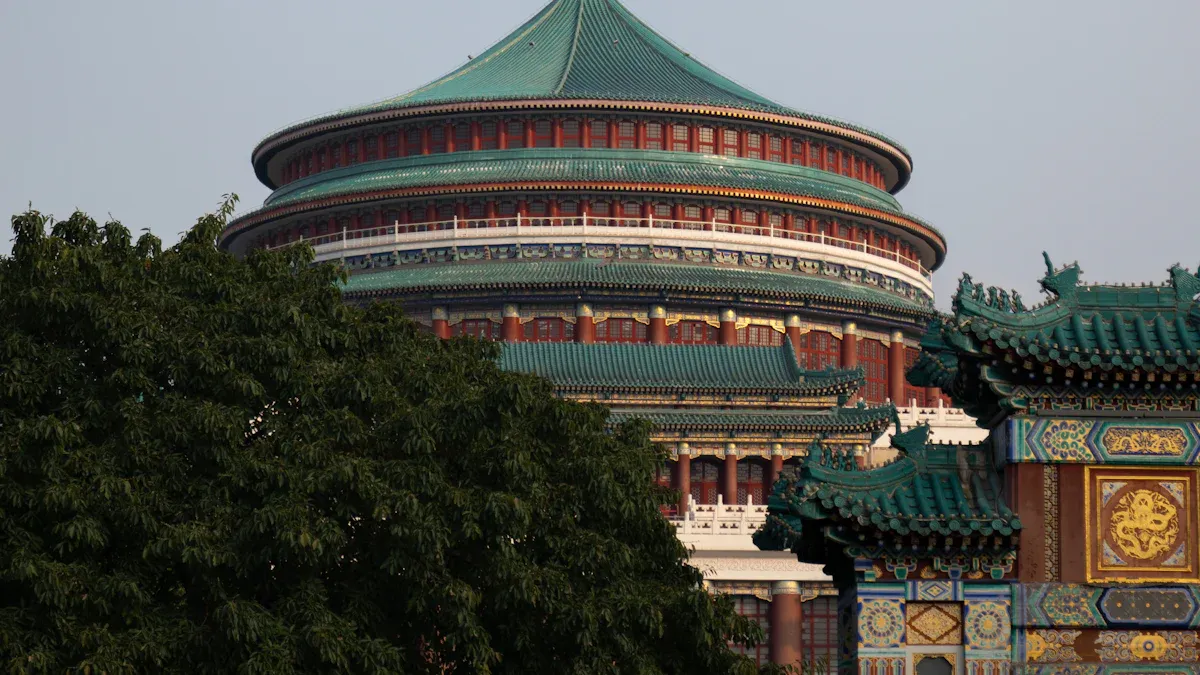
The Three Gorges Museum is a top place for people who like history and culture. This museum is in downtown Chongqing. About 1.70 million people visit it every year. It is a popular place to visit and learn new things.
- The museum keeps the region’s heritage safe with new technology. For example, workers use hydrogels with antifungal agents. These help protect artifacts and keep them safe for a long time.
The museum is closely linked to the Three Gorges Dam. It focuses on teaching and saving important things from the past. People visit to see stories, objects, and traditions that made Chongqing special.
Key Takeaways
- You can visit the Three Gorges Museum for free, but you need to book online first.
- The museum shows the history and culture of Chongqing. It also explains how the Three Gorges Dam changed the area.
- There are fun exhibits and activities you can try. These help people of all ages learn new things.
- You can join a guided tour in different languages. This makes your visit better.
- The museum helps keep local traditions alive. It also teaches people about their heritage.
Three Gorges Museum Overview
Purpose and Mission
The Three Gorges Museum is a place to learn and protect culture. Staff work hard to keep the history of the Three Gorges area safe. They also protect the city of Chongqing’s past. The museum opened on June 18, 2005. Its main job is to teach people about the region’s history. It also shows how the Three Gorges Dam changed things. Some exhibits tell about people who had to move because of the dam. These displays show their hard choices and love for their country. This matches Confucian values. The museum helps people learn why working together is important. It also shows the strong spirit of the local community.
Location and Architecture
The museum is in downtown Chongqing, China. It stands on the main road near the Great Hall of People. This spot is easy for visitors to find. It is in a place full of history and culture. The building is very big and has many halls for exhibits. Its design mixes new styles with old ones. The museum’s size and spot make it a famous place for locals and tourists.
The museum’s spot links it to Chongqing’s history and culture.
| Location | Significance |
|---|---|
| Central axis of the Great Hall of People of Chongqing | Cultural and historical hub reflecting the rich history and culture of the Three Gorges area and Chongqing itself |
The Three Gorges Museum is one of the biggest museums in China. It covers 42,497 square meters in total. The exhibition halls are 23,225 square meters.
| Museum Name | Total Area (m²) | Exhibition Hall Area (m²) |
|---|---|---|
| Three Gorges Museum | 42,497 | 23,225 |
Free Admission and Opening Hours
You do not need to buy a ticket to visit. The museum is free, but you must book your spot first. This rule lets more people come and learn about the area’s history. The museum is open from Tuesday to Sunday, 9:00 AM to 5:00 PM. It is closed on Mondays, unless it is a public holiday. In July and August, it stays open until 6:00 PM. The last entry is at 5:30 PM. Kids without ID can sign up with a guardian. Everyone under 60 must book their ticket online.
| Day | Opening Hours | Admission Policy |
|---|---|---|
| Tuesday | 9:00 AM – 5:00 PM | Free admission with advance reservation. |
| Wednesday | 9:00 AM – 5:00 PM | Reservations can be made 1-7 days in advance. |
| Thursday | 9:00 AM – 5:00 PM | All visitors under 60 must reserve. |
| Friday | 9:00 AM – 5:00 PM | Children without ID can be registered under guardian. |
| Saturday | 9:00 AM – 5:00 PM | |
| Sunday | 9:00 AM – 5:00 PM | |
| Monday | Closed (except public holidays) | |
| July-August | 9:00 AM – 6:00 PM (Last entry 5:30 PM) |
Tip: Visit the museum’s website for ticket and booking details before you go.
The Three Gorges Museum is friendly to all visitors. Free entry and easy booking make it a favorite spot in Chongqing. The museum’s link to the Three Gorges Dam shapes its displays and lessons. Staff want to share the region’s stories. They help visitors see how history affects life in Chongqing.
History of the Region

Yangtze River and Local Life
The Yangtze River runs through the 3 gorges region. It affects how people live every day. People use the river for food, travel, and trade. The river has been important in many events.
- British forces used the river during the Opium Wars. This helped them win battles and take land from China.
- During World War II, refugees used the river to escape danger. The river helped them find safety and move away from war.
- The Three Gorges Dam is the biggest hydroelectric power station. It changed how the river flows. This brought big changes to nature and the economy.
The museum in Chongqing, China, helps people learn about the river’s history. It shows how the river connects people and shapes their lives.
Resettlement and the Dam
Building the dam caused many changes for people. Millions had to leave their homes. By June 2008, 1.24 million people moved because of the dam. Many towns and villages went underwater.
- Some people did not get much money for moving.
- Many became poor and faced new problems.
- Farmers lost their land and needed new jobs.
The museum shares these stories with visitors. Migrants felt stress and had trouble with new lives. The museum keeps their stories safe and teaches others about the dam’s effects.
The museum respects those who started over after moving.
Historical Artifacts
The Three Gorges Museum saves items found in the 3 gorges. These artifacts are from different dynasties and show the area’s long history.
- Visitors can see pottery, tools, and old papers.
- The museum shows things that survived building the dam.
Staff work hard to keep these artifacts safe. They want to protect history for the future. The museum’s collection helps people learn about changes in Chongqing and the 3 gorges region.
Museum Exhibits and Collections
Key Permanent Exhibits
The three gorges museum has many important exhibits. These show the area’s history and culture. Visitors can see displays about geology, ecology, and people moving. There is a big model of the Three Gorges area. Some displays let you interact and learn by doing. The Chongqing City Evolution Hall shows how Chongqing grew into a modern city. The Years of the War of Resistance Against Japan exhibit shows what life was like during the war. The Chinese Porcelain of Past Dynasties exhibit has over 250 porcelain pieces. Each exhibit has special items that stand out.
| Exhibit Name | Description | Star Exhibit |
|---|---|---|
| Marvelous Three Gorges | Shows geology, ecology, and migration with models and hands-on displays | Major-General’s Golden Seal (Eastern Han Dynasty) |
| Chongqing City Evolution Hall | Tells how Chongqing changed with photos and old items | The Last Will of Martyr Jiang Zhuyun |
| Years of the War of Resistance Against Japan | Shows wartime life with photos and objects | N/A |
| Chinese Porcelain of Past Dynasties | Has porcelain from many dynasties | Western Han Celadon Bird-Patterned Jar |
Maps, Photos, and Artifacts
The museum uses maps, photos, and artifacts to tell stories. Visitors see maps that show Chongqing’s past, even during WWII. Dioramas show old towns that went underwater after the dam. The museum has bronze items, old pottery, jade carvings, and a Logboat Coffin that is 2,300 years old. These things help people learn about the area’s long history.
- Scenes and clothes show daily life along the Yangtze River.
- Exhibits talk about fishing, river travel, markets, and families.
- Bright displays show festivals, music, and crafts from the region.
- Story panels and photos share memories and stories from people.
- Models of old houses show how people dealt with floods.
The museum’s collections help visitors imagine the past.
Interactive and Educational Displays
The museum uses new technology to make learning fun. Visitors can try hands-on activities in the Cultural and Creative Experience Pavilion. They make round fans or seals and learn about local culture. These activities help people get more involved and curious. The Pavilion also has interactive displays and sells cultural souvenirs. Every year, sales reach about 8 million yuan. This shows that visitors like and respect local culture. The museum’s interactive exhibits help people learn and enjoy their visit.
Cultural Impact and Community
Preserving Local Traditions
The Three Gorges Museum helps keep local culture strong. Staff plan events that show crafts, music, and festivals. Artists from Chongqing come to share their skills. They teach visitors about their art and work. The museum shows items that are part of the region’s heritage. These include pottery, costumes, and tools used by families near the Yangtze River. Visitors see how people have kept their customs for many years.
The museum teaches why culture and tradition matter. It helps people respect the past and feel proud of their community.
Educational Programs and Research
The museum supports learning with many programs. Guides take children on special tours like the ‘City Explorer‘ route. This tour connects artifacts to places in Chongqing. Children learn about history and geography. The museum makes sure study programs are high quality. Outside groups must have teaching experience and certified teachers.
- ‘City Explorer’ tours connect artifacts to real places in Chongqing.
- Guides lead tours focused on history and geography.
- Study programs need certified teachers and teaching experience.
The museum works with schools and research groups. It joins with groups like the Fujian Provincial Cultural Heritage Administration and the Chongqing Municipal Cultural Heritage Administration. They plan joint exhibitions, like the one about Austronesians and maritime civilizations. These efforts show the museum’s support for cultural exchange and research. The museum helps share knowledge and supports learning about culture and history.
Visiting the Museum
What to Expect
When you enter the Three Gorges Museum in Chongqing, you feel welcome. Staff say hello and give you information at the door. You can use maps and signs in different languages to find your way. Most people spend about two or three hours looking around. The museum is big, so wear shoes that are good for walking. There are lockers and places to sit and rest. You can take pictures in many areas, but you should not use flash. After your visit, you can relax at a café nearby.
The museum has Google Arts & Culture guides and an app with audio guides in Chinese, English, Japanese, and Korean. These tools help you learn about the culture and history you see.
Guided Tours and Family Facilities
Guided tours make your visit better. The museum has tours in many languages, like English. You can book an English-speaking guide if you ask ahead. Guides talk about hard topics and answer your questions. Families like the museum because there are places to rest and lockers for bags. Kids have fun with hands-on displays and creative things to do. Staff give families information to help them plan their trip.
| Guided Tours | Languages Offered |
|---|---|
| Yes | Various |
Tips for Visitors
- The museum is in the center of Chongqing. You can get there by metro, bus, or taxi.
- Go early if you want fewer people and a quiet visit.
- Book your ticket before you go on the official website.
- Try not to visit during busy holidays for a better time.
- Wear comfy shoes because you will walk a lot.
- Use the museum’s app for audio guides and information.
- Guided tours help you learn more about the museum.
- Lockers and rest spots make your visit easier.
If you plan your visit, you will have fun learning about the Three Gorges Museum’s culture and history.
- The three gorges museum teaches people about the area’s history.
- Visitors look at special exhibits and learn about life in Chongqing.
- Everyone can visit because it does not cost money.
The museum keeps stories and artifacts safe. It helps future generations learn about the region.
FAQ
What is the best time to visit the Three Gorges Museum?
It is less busy in the morning. The museum opens at 9:00 AM. Weekdays are quieter than weekends. In July and August, the museum stays open longer.
Is the museum suitable for children and families?
Families like the hands-on exhibits and fun workshops. Staff give parents helpful tips. Lockers and places to rest make visits easier.
How can visitors book tickets for free admission?
You need to book tickets online before you go. The official website lets you reserve your spot. Everyone under 60 must make a reservation.
Are guided tours available in English?
You can join a guided tour in English. Ask for an English guide before your visit. Guides talk about the exhibits and answer your questions.