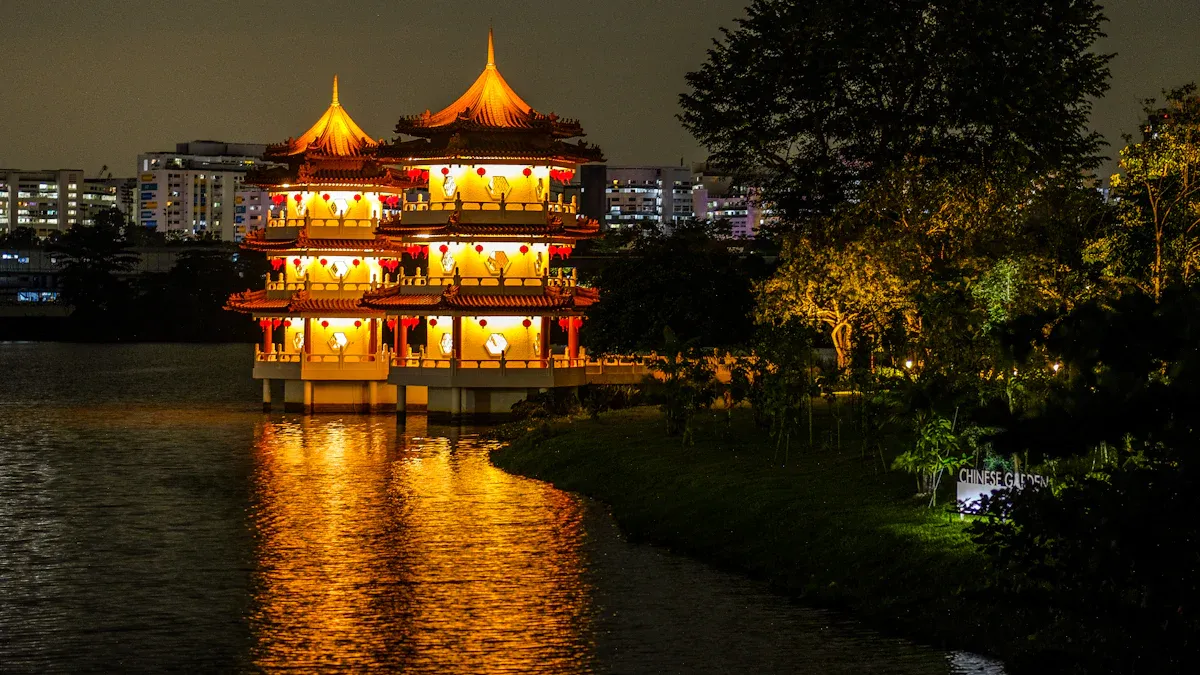
You walk on the curvy paths in Shanghai Grand View Garden. The world around you looks like a painting that moves. Willow branches touch shiny ponds. You hear water and the gravel crunch under your shoes. This place shows old Chinese beauty with its special design and cultural things. When you look around, you see that Shanghai Grand View Garden is a copy of the famous Daguanyuan from ‘Dream of the Red Chamber.’ The garden keeps the style and way of life from the classic book. It is a favorite spot in Shanghai.
| Feature | Description |
|---|---|
| Pavilions | The garden has 18 pavilions. This is common in old Chinese gardens. |
| Poetic Naming | Places in the garden have poetic names. This makes the visit more special. |
| Natural Elements | The garden uses lakes, ponds, and rockeries. These are important in old Chinese gardens. |
Key Takeaways
- Go to Shanghai Grand View Garden to see old Chinese culture and buildings. – Walk around the garden’s 18 pavilions. Each one has a special name and look from ‘Dream of the Red Chamber.’ – Try fun things like tea ceremonies and wearing costumes. These help you learn about the garden’s long history. – Look at the plants that change with the seasons and enjoy the pretty views. – Take a guided tour to hear stories and meet characters from ‘Dream of the Red Chamber’ as you walk in the garden.
Shanghai Grand View Garden Overview
Location and History
Shanghai Grand View Garden is in Qingpu District. It is about 65 kilometers from downtown Shanghai. The address is 701 Qingshang Road. The park is close to Dianshan Lake. This makes the area very calm and quiet. People used to call it the Dianshan Lake Scenic Area. In 1991, the name changed to Shanghai Grand View Garden. The park got bigger and now covers 1,500 acres. The garden first opened in 1980. It became a public place in 1988. Since then, almost 20 million people have visited. That is why it is one of Shanghai’s top ten tourism gardens. The garden is a copy of the world in ‘Dream of the Red Chamber.’ When you come here, you step into a place that brings old stories to life.
Did you know? Shanghai Grand View Garden has won many awards for its beauty and design. It is a five-star park. People from all over the world come to see it.
4A Scenic Spot and Visitor Info
Shanghai Grand View Garden is a national 4a-level tourist spot. This means you get a great experience when you visit. The garden is a must-see place in Shanghai. You need to pay to enter the park. The views and culture make it worth the money. Many tourists come to look around. Locals also like the peaceful feeling here. The garden’s style comes from ‘Dream of the Red Chamber.’ This makes it a special place for everyone. If you like history, books, or nature, you should visit. It is a place where tourism and tradition meet. Every part of the park has something cool to see.
| Visitor Info | Details |
|---|---|
| Location | Qingpu District, Shanghai |
| Opening Year | 1988 |
| Entrance Fee | Required |
| Scenic Spot Level | National 4A-level tourist attraction |
| Park Size | 1,500 acres |
Classical Architecture
Pavilions and Halls
When you walk in Shanghai Grand View Garden, you see many pavilions and halls. They look like they came from a storybook. Each pavilion has its own name and style. These buildings are not alone. They connect to famous gardens in China. You can spot designs from places like the Humble Administrator’s Garden. You also see styles from the Lingering Garden. This makes your visit feel like a trip through history.
Here’s a table that shows how some pavilions in Shanghai Grand View Garden match up with famous gardens:
| Pavilion Name | Garden Name |
|---|---|
| Peak-Worshipping Pavilion | Lingering Garden |
| Hall of Distant Fragrances | Humble Administrator’s Garden |
| Mountain View Tower | Humble Administrator’s Garden |
| Pavilion of the Moon and Wind | Master of the Nets Garden |
| Pavilion in the Lotus Breeze | Humble Administrator’s Garden |
| Listening to the Rain Pavilion | Humble Administrator’s Garden |
| Watching the Pines and Appreciating Paintings Hall | Humble Administrator’s Garden |
| Spot of Return for Reading | Lingering Garden |
| Between the Mountains and the Water Pavilion | Couple’s Retreat Garden |
| Pavilion Leaning on the Jade | Humble Administrator’s Garden |
| Soft Rain Brings Coolness Terrace | Retreat & Reflection Garden |
| Lasting Spring and Moon Viewing Tower | Retreat & Reflection Garden |
You might notice each pavilion has a poetic name. These names help you imagine stories and feelings from Dream of the Red Chamber. The grand view pavilion is a highlight. It gives you a wide view of the garden. The main characters enjoyed this in the book.
Bridges and Corridors
You will find many bridges and corridors in the garden. These structures use old building methods from Shanghai and other parts of China. Builders used strong materials and smart ways to make them last.
- Timber framing holds up the bridges and corridors. Large wooden beams and columns fit together without nails or glue.
- Stone arch bridges look beautiful and strong. You can see carvings on the stone. These show the skill of the workers.
- Roofs come in different shapes. Some are straight. Some curve up at the ends. Some have many layers. The tops of the roofs have fancy decorations.
- Builders used joinery and dowelling. This means they fit wood pieces together like a puzzle.
- You can spot decorative elements like dougong and special roof ridges. These details make the bridges and corridors look grand.
- The design helps the buildings stay safe during earthquakes. The flexible structure can move a little without breaking.
Some bridges have special names and shapes. The Yudaigiao, or Jade Belt Bridge, has a high arch and marble railings. The Seventeen-arch Bridge stretches across the water like a rainbow. It has hundreds of marble lions carved along the sides. These bridges make you feel like you are walking into a painting.
Sculptures and Details
If you look closer, you will see many sculptures and small details in the garden. These are not just decorations. They show the beliefs and ideas of people from old Shanghai and China. You might see animals, flowers, or shapes with special meanings.
The sculptures in Shanghai Grand View Garden use traditional Chinese motifs. These designs show the spirit and culture of the country. Dragons and phoenixes stand for power and peace. Lotus flowers mean purity. These symbols come from old stories, religion, and philosophy. They help you understand what people in the past thought was important.
You can also see how the garden blends nature and art. Rocks, water, and plants mix with carvings and statues. This style is different from Western gardens. It shows how Chinese people connect with nature and their history. When you visit, you get to see these ideas come to life in every corner.
Garden Landscapes
Water Features and Rockeries
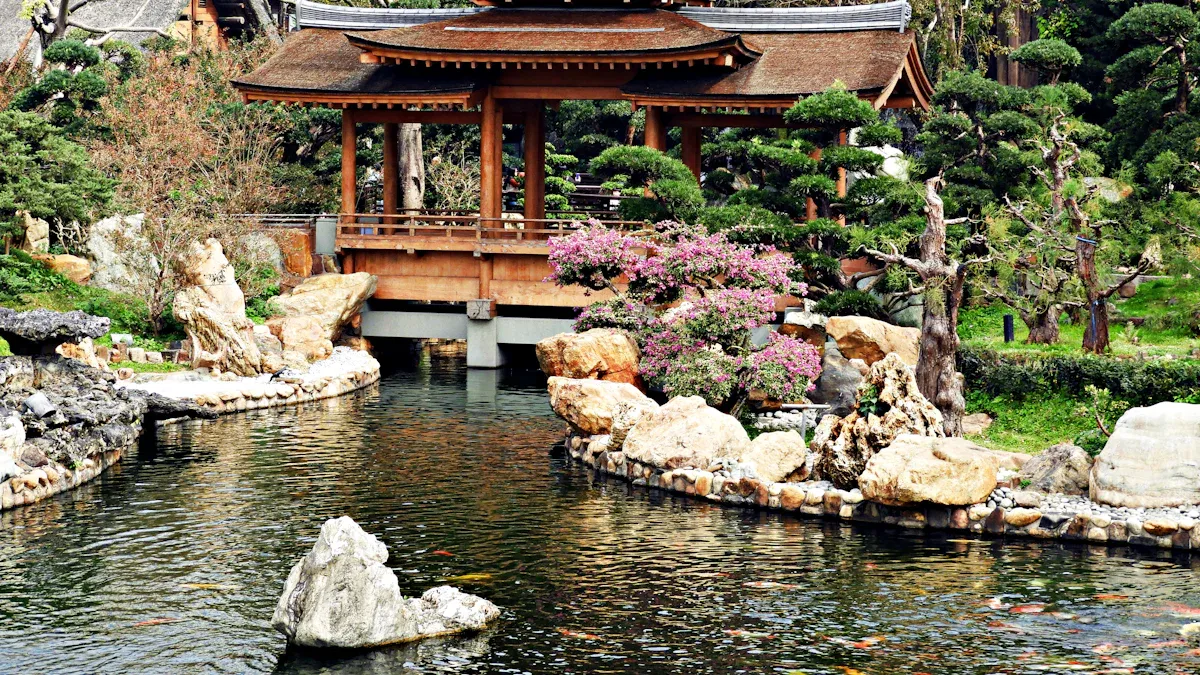
When you step into shanghai grand view garden, you notice the water right away. Ponds and streams wind through the garden, making the air feel cool and fresh. Bridges cross over the water, and you can see your reflection as you walk by. The garden designers wanted you to feel like you are inside a painting. They used ideas from famous places in shanghai, like the Humble Administrator’s Garden and Lion Grove Garden. These gardens use water as the heart of the landscape.
You will find rockeries that look like small mountains. The Great Rockery stands tall and gives you a place to see the whole garden. It is one of the oldest and largest rockeries in the south Yangtze River area. When you climb to the top, you get a wide view of the ponds, bridges, and pavilions. The rockeries and water features work together. They create a peaceful feeling and show the beauty of nature and art mixed together.
Tip: Try to visit in the early morning. The mist over the water makes the garden look magical.
Some features come straight from ‘Dream of the Red Chamber.’ The designers used tricks like “borrowed scenery” and “partitioned scenery.” These ideas help you see new views as you walk. You never know what you will find around the next corner.
Seasonal Plants and Ancient Flora
Plants in shanghai grand view garden change with the seasons. In spring, you see peach blossoms and willows. Summer brings lotus flowers that float on the ponds. Autumn covers the garden in golden leaves. Winter shows off pine trees and bamboo that stay green all year.
Here’s a quick look at what you might see:
| Season | Plants You’ll Find |
|---|---|
| Spring | Peach blossoms, willows |
| Summer | Lotus, water lilies |
| Autumn | Chrysanthemums, maples |
| Winter | Pine, bamboo, plum blossoms |
Many of these plants have special meanings in Chinese culture. Lotus stands for purity. Bamboo means strength. When you walk through the garden, you feel the old stories and traditions of shanghai come alive. The plants and trees help you connect with the past and enjoy the beauty of each season.
Cultural Experiences at Daguanyuan
Interactive Activities
When you visit daguanyuan, you can try many fun things. You may wear ancient costumes and walk in the gardens. It feels like you are a character from ‘Dream of the Red Chamber.’ Kids enjoy painting fans or making clay flowers. You can join a tea ceremony and see how people in old shanghai drank tea. Sometimes, families learn calligraphy together. These activities help you feel close to the history and culture of shanghai grand view garden.
Performances and Festivals
Daguanyuan is busy and exciting during festivals. You can watch traditional shows that tell stories from ‘Dream of the Red Chamber.’ The Grand View Garden Red Mansion Temple Fair is a big event. It has:
- Actors in ancient costumes acting out scenes from the famous book.
- Ancient-style markets where you can buy crafts and snacks.
- Music and dance shows that celebrate the culture of shanghai.
These performances make you feel like you are inside the novel. You see how daguanyuan honors the history of shanghai and Chinese literature.
Tip: Go during festival times if you want to see the garden at its most lively.
Exhibitions and Workshops
You can join workshops and tours to learn about nature and science. Daguanyuan has special programs for families and students. Here’s a look at some popular options:
| Workshop/Exhibition Type | Description | Educational Impact |
|---|---|---|
| Junior Geologist Explorer workshops | Kids do hands-on activities to learn geology by digging and sorting specimens. | Helps children get interested in earth sciences. |
| Wetland ecology tours | Environmental scientists lead tours to explore aquatic plants and bird habitats. | Shows Shanghai’s coastal wetland biodiversity, great for family learning and school trips. |
You can explore the gardens, learn about plants, and see how shanghai protects its wetlands. Daguanyuan makes learning fun and helps you understand more about the world around you.
Literary Connections to ‘Dream of the Red Chamber’
Storytelling and Tours
When you visit shanghai grand view garden, you step into the world of ‘Dream of the Red Chamber.’ Guides tell you stories from the famous novel as you walk through the garden. You hear about the Jia family and their joys and struggles. The guides use simple language and vivid details. You feel like you are part of the story. Sometimes, you can join special tours that focus on different characters or chapters. These tours help you see how the garden matches the scenes from the book. You might even hear actors read lines from the novel. This makes the experience feel real and alive.
You can also find signs and plaques around the garden. These signs explain the meaning behind each spot. They tell you which part of the story happened there. You learn about the culture and history of shanghai as you explore. The tours and stories make the garden more than just a pretty place. They turn it into a living book.
Thematic Installations
Shanghai loves to mix art and technology. In the garden, you find many creative installations inspired by ‘Dream of the Red Chamber.’ These displays use lights, sound, and even water to bring the story to life. Here are some highlights you might see:
- Immersive art pieces that blend modern technology with classic themes from the novel.
- The 35th Middle School Theater, which brings back memories of youth and connects to the story’s big ideas.
- A special area based on Chapter 33, where you can learn about Jia Huan and his struggles.
- The You Huan Wu Theater, where actors perform on a water stage. You watch the characters’ fates unfold in a dramatic show.
- Reader’s Theater, which lets you see the story from many points of view. All the voices come together to tell one big tale.
These installations help you understand the feelings and dreams of the characters. You see how shanghai celebrates its literary roots. Every visit gives you something new to discover.
Visitor Impressions
Immersive Atmosphere
When you step into shanghai grand view garden, you feel like you’ve entered another world. The sounds of water and birds fill the air. You see pavilions, bridges, and flowers everywhere. The garden wraps around you and makes you forget the busy streets of shanghai. Many visitors say the garden feels peaceful and magical. You can walk along winding paths and discover hidden corners. Sometimes, you hear soft music or see actors in ancient costumes. These moments make you feel part of the story.
Here’s what some visitors notice:
- The garden feels calm and quiet.
- You see beautiful views at every turn.
- The air smells fresh from the plants and water.
- You can take photos that look like paintings.
“I felt like I was living inside a classic novel,” one visitor shared. “The garden made me forget about the city for a while.”
Reflections on Heritage
You learn a lot about shanghai’s history when you visit. The garden shows old traditions and stories. You see how people in shanghai used to live and celebrate. Many visitors say they feel proud of the city’s culture. You can join activities and festivals that teach you about ancient customs. Sometimes, you meet guides who explain the meaning behind each spot. You start to understand why shanghai grand view garden is important.
Visitors often reflect on these ideas:
| What Visitors Say | What It Means |
|---|---|
| “I learned about old shanghai.” | The garden teaches history. |
| “The architecture is amazing.” | You see classic Chinese design. |
| “I want to come back with my family.” | The garden is a place for everyone. |
You leave the garden with new memories and a deeper respect for shanghai’s heritage. The experience stays with you long after you go home.
You find old beauty everywhere in shanghai grand view garden. The garden takes ideas from ‘A Dream of Red Mansions.’ It brings shanghai lots of pavilions, courtyards, pools, and bridges. You notice balance and trees that look like classic gardens. When you come here, you walk into history and culture. Many visitors say, “I felt like I went back in time.” Why not visit shanghai and let this special place amaze you?
FAQ
How do you get to Shanghai Grand View Garden?
You can take Metro Line 17 to Dianshan Lake Station. Then grab a taxi or bus. The garden sits in Qingpu District, about 65 kilometers from downtown Shanghai.
What is the best time to visit?
Spring and autumn offer mild weather and blooming flowers. You see peach blossoms in spring and colorful leaves in autumn. Early morning feels peaceful and magical.
Can you join any activities at the garden?
Yes! You can try tea ceremonies, wear ancient costumes, or join workshops. Kids love painting fans and making clay flowers. These activities help you feel part of the history.
Is the garden suitable for families?
Absolutely. You find hands-on workshops, nature tours, and performances. The garden has wide paths and lots of space. Families enjoy exploring together.
Do you need to buy tickets in advance?
You can buy tickets at the entrance or online. During festivals and weekends, tickets sell out fast. Booking ahead saves you time.