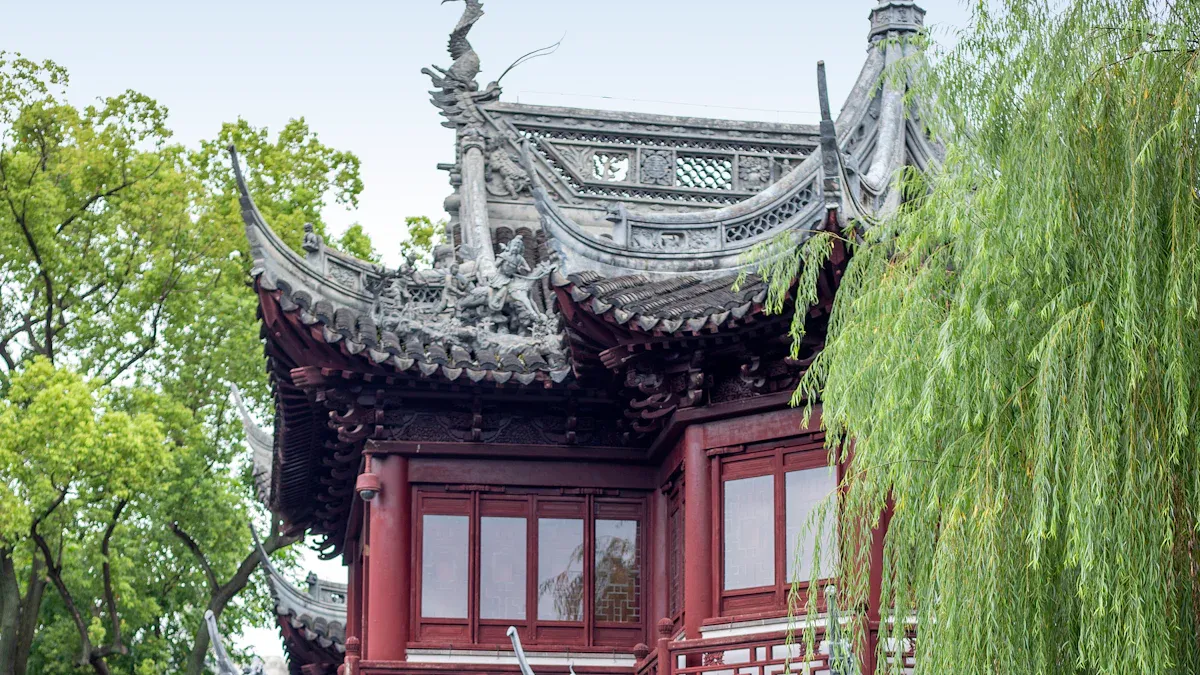
Most people walk in Yu Garden and see calm bridges. Few people know the Hall of Heralding Spring hid revolutionaries during the Taiping Rebellion. Visitors might think they will only see pretty views. Every pavilion on the water has secrets from long ago. Shanghai gets about 400 million visitors every year. This place is special among all tourist spots. Each pavilion shows more than just scenery. It shows stories that became part of culture over time.
Key Takeaways
- Yu Garden was built in the 16th century. It was made by a son for his father. This shows strong family values.
- The garden has survived many conflicts. These include the Opium War and World War II. These events changed its history and design.
- Visitors can find hidden stories and legends. One is about the Exquisite Jade Rock. This rock stands for luck and strength.
- Yu Garden acts as a cultural bridge. It mixes old traditions with modern Shanghai. Millions of people visit each year.
- To enjoy Yu Garden, take your time. Walk along its winding paths. Look at its special architecture. These show Chinese style.
Yu Garden Origins
The Founder’s Vision
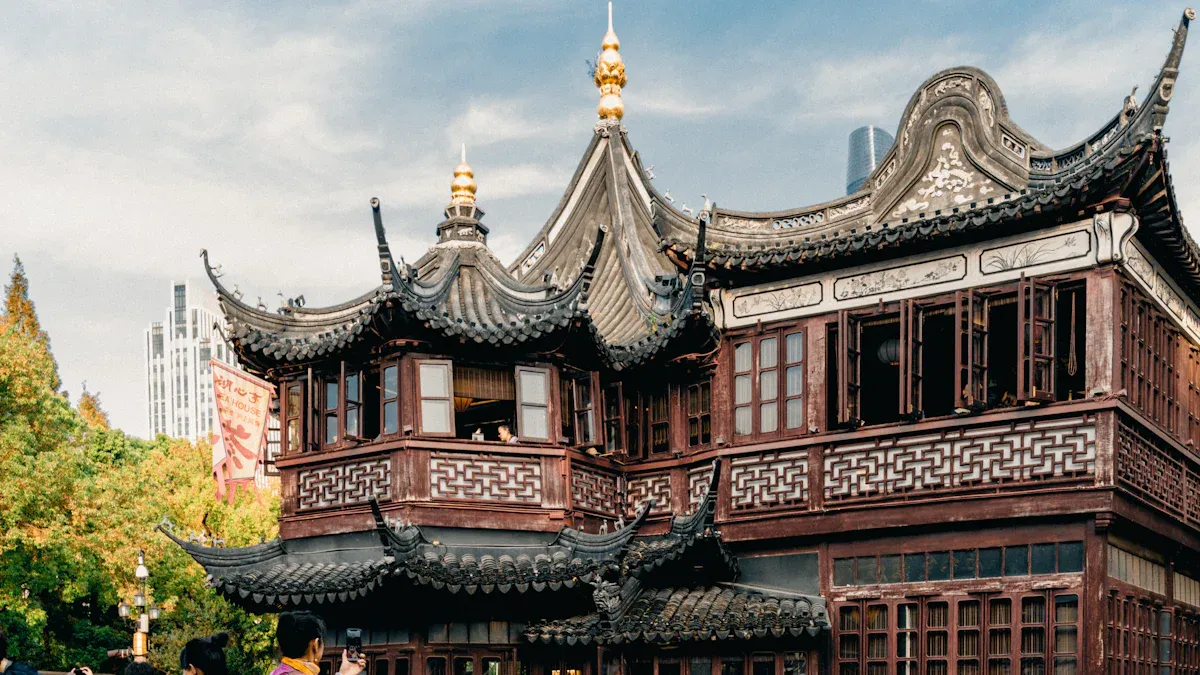
Pan Yunduan wanted to make a garden for his father, Pan En. He thought a calm garden would show love and respect. This idea came from Confucian values. These values say people should care for their parents. Pan Yunduan called the garden Yu Yuan. The word “yu” means making parents happy. He wanted the garden to show his family’s strong bond.
Pan Yunduan’s dream was more than just beauty. He wanted the garden to show his family’s values and old traditions.
Early Challenges
Building Yu Garden was not easy. Pan Yunduan started the work in 1559. He worked for many years. The garden took almost twenty years to finish. The Pan family had money problems. Neighbors said the garden was too big. Some people thought it would bring trouble. The Pan family did not stop. They kept building and fixing the garden. They showed patience and hard work.
- Money problems
- Neighbors did not like the garden
- Took a long time to build
Ming Dynasty Context
The Ming dynasty helped shape Yu Garden. The Jiajing reign was a time when art grew. Families wanted to honor their elders. The Pan family’s garden matched these values. The garden became a quiet place for Pan Yunduan’s father. The government let families spend money on art and gardens. Yu Garden shows how family dreams and culture mixed during the Ming dynasty.
Destruction and Renewal
War and Rebellion
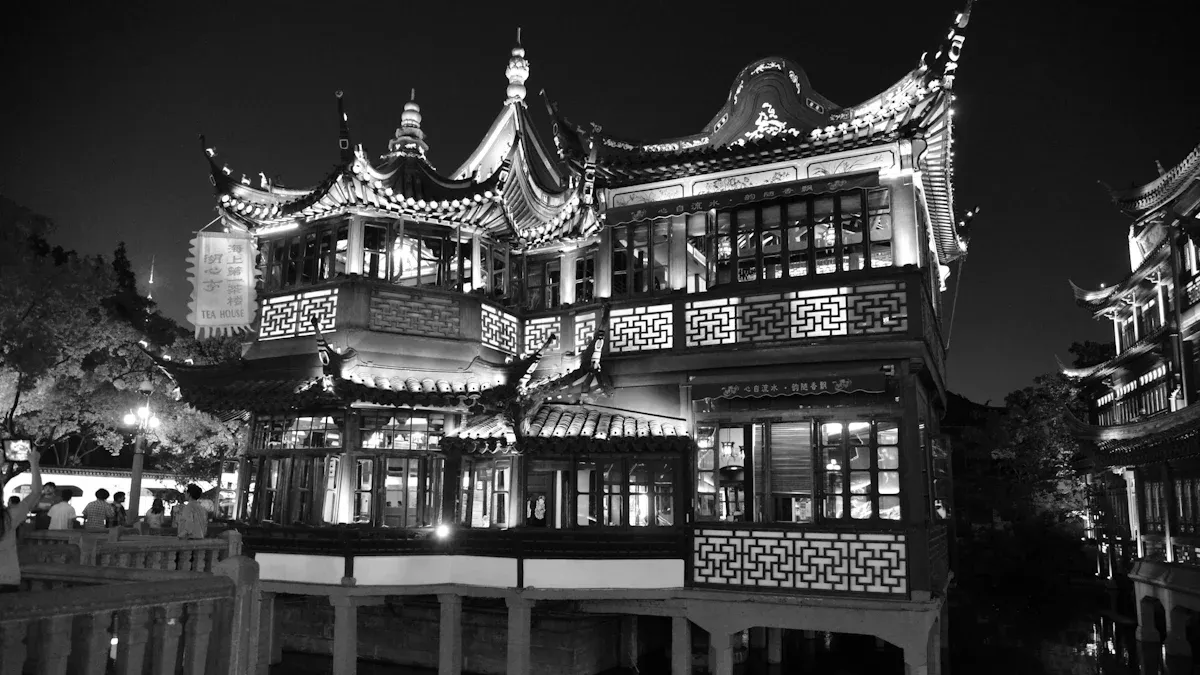
Yu Garden has been in danger many times. Wars and uprisings hurt the garden a lot. In 1842, British soldiers took over the Huxinting Teahouse. They used it as their base during the First Opium War. The Taiping Rebellion caused even more damage. The Small Swords Society stayed in Dianchun Hall from 1853 to 1855. Most of the old buildings were ruined then. In 1942, World War II brought more harm. Japanese troops attacked the area and damaged the garden.
- Major events that hurt Yu Garden:
- First Opium War (1842): British army used the garden as a base.
- Taiping Rebellion (1853-1855): Small Swords Society destroyed most old buildings.
- World War II (1942): Japanese forces damaged the garden again.
Many people do not know how often Yu Garden was a battleground. Every fight changed how the garden looked and its story.
Restoration Efforts
After all the damage, people tried to save Yu Garden. Pan Yunduan built the garden for his family first. Later, the Shanghai government fixed the garden. They started repairs in 1956. The garden opened again in 1961. From 1986 to 1993, the government fixed more old damage.
- Key people in restoration:
- Pan Yunduan: Built the first garden.
- Shanghai Government: Fixed the garden in 1961 and again from 1986 to 1993.
Architectural Changes
Every time the garden was rebuilt, it changed. Some old designs were lost forever. New builders added their own ideas. The garden’s layout changed after each war. Some halls and bridges were rebuilt in new ways. Now, visitors see both old and new things. The garden shows how it survived and grew in Shanghai’s history.
Hidden Stories of Yu Garden
Secret Meetings
Many people come to Yu Garden and see calm scenes. Not many know that secret meetings happened here long ago. Leaders and smart people met in private to talk about plans. Some halls became well-known for these secret talks. The table below lists two places in the garden where history happened:
| Venue | Historical Significance |
|---|---|
| Sansui Hall | Used for official ceremonies, sharing imperial orders, and meetings of local leaders. |
| Huxinting Teahouse | A place where writers and artists met for poetry and art, making it a famous cultural spot. |
Sansui Hall was a place where leaders made big choices for Shanghai. Huxinting Teahouse was loved by poets and artists. They came to share poems and enjoy the water view. These meetings made Yu Garden important in Shanghai’s story.
Yu Garden’s Symbolism
Yu Garden’s design has special meaning. Each stone, bridge, and pavilion tells its own story. The founder wanted every view to honor family and tradition. The paths twist and turn, leading to new scenes with messages. The garden uses water, rocks, and plants to make peace and balance. This shows the values of the Ming dynasty.
Visitors often see the Exquisite Jade Rock. This stone stands in the middle of the garden. It catches your eye and makes you want to look closer. The rock’s story adds mystery to the garden. People say it was meant for the emperor but ended up here instead. This story gives the garden pride and wonder.
The garden’s paths make people slow down and enjoy each view. Pavilions frame the sights like pictures. Bridges cross ponds and show new views. Every turn brings something new, so each visit is different. The garden teaches people to find beauty in small things.
Myths and Legends
Stories about Yu Garden are told all over Shanghai. These tales make the garden feel magical. Some legends say the garden keeps visitors safe. Others talk about treasures hidden under the rocks. The most famous story is about the Exquisite Jade Rock. People believe it was not wanted by the emperor and was saved by the founder. This makes the rock a sign of luck and strength.
- The Exquisite Jade Rock, found in the center, was saved after being turned away by the emperor, making the garden more mysterious.
- Yu Garden was built in 1559 during the Ming dynasty as a gift from a son to his father, adding a personal story to its history.
These stories change how people see Yu Garden. Visitors come to see the views and to feel the stories in every part. The legends make each visit feel like a trip to the past. The garden’s hidden stories still fill people with wonder and respect as they walk through.
Yu Garden’s Cultural Impact
Influence on Shanghai
Yu Garden is a symbol of Shanghai’s long past. Many people come to Shanghai just to see it. The garden brings in both local people and tourists from other countries. Inside, visitors feel calm and peaceful, even when it is busy. The buildings and views help people relax and think.
Yu Garden is one of the top cultural places in Shanghai. It shows the city’s deep history and classic beauty.
The garden’s story has times of fighting and rebuilding. After it was fixed, it became a national monument. Now, it is still one of the most popular places in Shanghai. People think of it as a bridge between old and new Shanghai.
Preserving Garden Art
Yu Garden helps keep Chinese garden art alive. The design uses rocks, water, and hills to make small scenes. These parts show nature’s beauty and the skill of builders long ago. The Exquisite Carved Jade Stone is a special part of the garden. This stone shows how people loved natural shapes and textures. The garden’s plan copies the famous mountain views in southern China. It teaches visitors about Chinese garden art ideas.
A table below lists important features:
| Feature | Meaning |
|---|---|
| Mountains and Water | Balance and harmony |
| Exquisite Jade Stone | Value of nature and history |
| Micro-landscapes | Symbolize famous mountain views |
Modern Visitor Experience
Today, Yu Garden has new problems. Many people visit each day, so it gets crowded. Some visitors cannot read signs because there is not much English. The garden must keep its old style but also meet new needs. Workers try to keep the old look while adding new things. They must protect the art and history but not change the garden’s spirit.
- Keeping the garden’s style while adding new features
- Making sure visitors understand the culture
- Caring for complex designs and old buildings
Yu Garden still shapes what Shanghai means. It gives people a quiet place in a busy city. The garden’s story and beauty inspire everyone who comes.
Yu Garden has many secrets from the Ming Dynasty. It is full of stories about family, art, and rebellion. People who visit see more than just pretty views. They find history in every stone and hall. The garden’s design and legends affect how people feel now. The table below shows how Yu Garden’s past changes what visitors experience:
| Description | Visitor Impact |
|---|---|
| Classical Jiangnan-style garden | Walk winding paths, learn Chinese aesthetics |
| Authentic architecture | Appreciate craftsmanship and history |
| Intricate carvings | Contrast old stories with modern Shanghai |
FAQ
What is the best time to visit Yu Garden?
Spring and autumn offer mild weather and fewer crowds. Visitors can enjoy blooming flowers or colorful leaves. Early mornings provide a quieter experience.
Why is the Exquisite Jade Rock famous?
The Exquisite Jade Rock stands out for its unique shape and mysterious history. Many believe it brings good luck. Some legends say it was meant for an emperor.
Can visitors find English signs in Yu Garden?
Most signs use Chinese. Some main areas have English translations. Visitors may want to use a guidebook or translation app for more details.
How long does a typical visit take?
A typical visit lasts about one to two hours. People who enjoy photography or history may stay longer. The garden has many paths and hidden spots to explore.